Introduction
Small and medium-sized enterprises are the backbone of global economies. Yet, many lack the budget and in-house expertise required to deploy advanced security systems. Traditional security architectures – especially on-premise CCTV setups – come with high upfront costs and complex infrastructure requirements. They are also susceptible to failures, data loss, and limited remote access features.
With remote work rising, distributed teams operating from multiple locations, and increasingly sophisticated cyber and physical threats, SMEs need more flexible, scalable solutions that don’t drain their finances or overwhelm their IT teams. This is precisely where Cloud-Based VSaaS systems change the game.
Understanding Cloud-Based VSaaS (Video Surveillance as a Service)
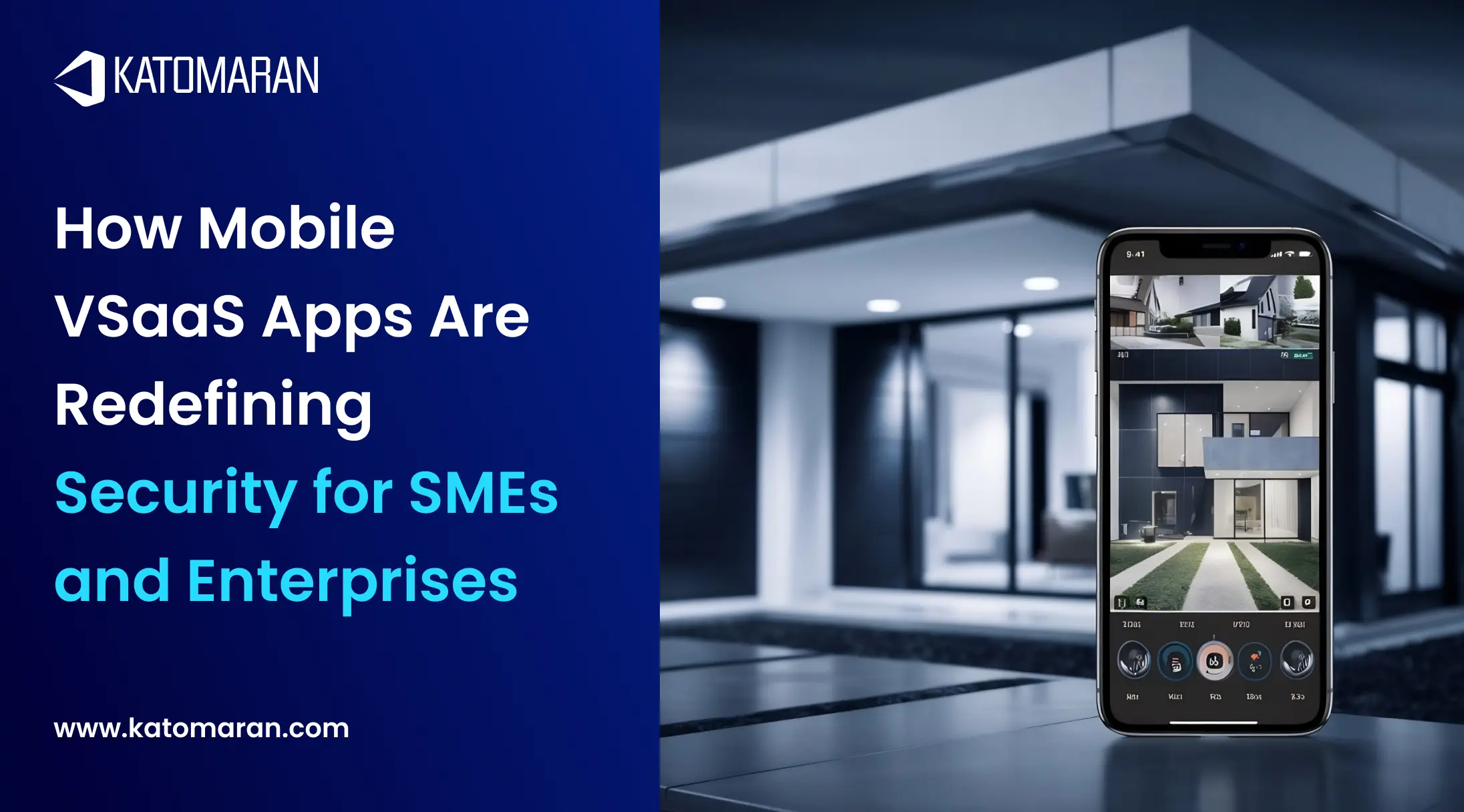
At its core, Cloud-Based VSaaS delivers video surveillance capabilities through the cloud. Instead of storing footage on local servers or DVRs (Digital Video Recorders), video feeds are encrypted and transmitted to secure cloud servers. Authorized users can access live or recorded footage from anywhere using mobile devices or web browsers.
This model differs dramatically from traditional surveillance systems. SMEs no longer need to invest in expensive hardware, manage storage capacity, or worry about system scalability. Instead, they subscribe to a service that includes hosting, maintenance, upgrades, and support.

Why Cloud-Based VSaaS Matters for SMEs
1. Reduced Upfront Costs and Predictable Pricing
Traditional surveillance systems require significant CapEx (Capital Expenditures) – from cameras and servers to network infrastructure and storage. These costs can strain already tight budgets.
With Cloud-Based VSaaS, businesses shift from capital-intensive spending to an OpEx (Operational Expenditure) model. Monthly or annual subscription fees cover hardware support, cloud storage, and system maintenance. This predictable pricing structure ensures SMEs can invest in best-in-class security without heavy up-front expenses.
2. Enterprise-Grade Security Features Made Accessible
Cloud-Based VSaaS platforms provide features once reserved for large enterprises:
High-definition video recording
Advanced motion detection and analytics
AI-powered alerts and real-time notifications
Secure remote access from any device
These tools enhance situational awareness and improve response times to incidents. Moreover, cloud providers employ robust cyber protections – including encryption, multi-factor authentication, and data redundancy – giving SMEs the same security posture as Fortune 500 companies without the enterprise price tag.
3. Zero Maintenance Hassles
Maintaining local servers or storage devices requires IT expertise and ongoing upkeep. SMEs often cannot spare dedicated personnel for these tasks.
Cloud-Based VSaaS eliminates these headaches. The service provider manages updates, patches, and server maintenance, freeing up internal resources to focus on core business priorities.
4. Scalability That Grows With Your Business
Whether your business expands to new locations, adds more cameras, or increases storage needs, Cloud-Based VSaaS can adapt instantly. There’s no need to purchase new servers or reconfigure entire systems. You simply adjust your subscription plan or add new devices through a centralized dashboard.
This scalability makes cloud video services ideal for SMEs looking to future-proof their security strategy without heavy infrastructure investments.
5. Enhanced Collaboration and Remote Access
Today’s workforce is more distributed than ever. Managers and security teams may be located miles away from the business premises. Cloud-Based VSaaS enables secure access to live feeds and archived footage from any location. This capability enhances transparency, supports remote decision-making, and ensures that key stakeholders stay informed in real-time.
Comparing Cloud-Based VSaaS With Traditional Surveillance
Upfront Cost: Low (vs. High for Traditional On-Premise)
Scalability: Highly Scalable (vs. Limited for Traditional On-Premise)
Remote Access: Easy (vs. Difficult for Traditional On-Premise)
Maintenance: Provider Managed (vs. In-House Responsibility for Traditional On-Premise)
Data Security: Enterprise-Grade, Provider Managed (vs. Depends on Local Infrastructure for Traditional On-Premise)
Accessibility: Anywhere With Internet (vs. On-site or Local Network Only for Traditional On-Premise)
This comparison highlights why many SMEs are shifting to cloud-first security models. Simply put, Cloud-Based VSaaS delivers modern features and stronger protection without requiring deep IT spend.
Addressing Common Concerns About Cloud-Based Security
Despite its benefits, some SMEs remain hesitant to adopt cloud-centric solutions due to misconceptions. Let’s address the most common concerns:
Is Cloud Storage Safe?
Absolutely. Reputable VSaaS providers use military-grade encryption, secure data centers, and multiple layers of authentication to protect video feeds. In many cases, the security measures exceed what SMEs could afford on their own.
What About Internet Reliability?
A reliable internet connection is essential. However, many systems can store footage locally during downtime and sync with the cloud once connectivity is restored. Additionally, modern cloud-based solutions use adaptive streaming to optimize performance based on network quality.
Will My Data Be Compliant With Regulations?
Leading VSaaS platforms adhere to global data protection standards, such as GDPR, ensuring that video storage and transmission comply with legal requirements. Businesses operating in regulated industries can leverage cloud solutions with confidence.
Real-World Use Cases for SMEs
Retail Stores
Cloud-Based VSaaS allows store owners to monitor multiple locations, receive alerts for suspicious behavior, and review footage from any device. This level of visibility reduces theft, improves customer safety, and enhances loss prevention strategies.
Warehouses and Logistics
For logistics companies, cloud video surveillance helps ensure operational safety, track inventory movement, and deter unauthorized access. AI-based analytics can even trigger alerts for anomalies like unexpected motion during non-business hours.
Office Spaces
Remote teams can monitor office premises during off-hours, track maintenance issues through recorded footage, and ensure employee safety with live access. Cloud-based feeds also support incident investigations with searchable video archives.
Manufacturing Units
Industrial environments benefit from real-time alerts, analytics for unsafe behaviors, and video logs that support compliance and auditing. With cloud integrations, manufacturers can correlate surveillance data with other operational systems for deeper insights.
Best Practices for Implementing Cloud-Based VSaaS
Adopting Cloud-Based VSaaS requires thoughtful planning. Here are the best practices to ensure a smooth implementation:
1. Assess Your Security Needs
Determine the number of cameras, storage duration, and analytics features required based on your business size and risk profile.
2. Choose Scalable Plans
Opt for subscription plans that allow flexible upgrades as your business grows.
3. Train Your Team
Ensure your staff understands how to access footage, respond to alerts, and configure user permissions.
4. Integrate With Existing Tools
Leverage API integrations with access control, alarm systems, or operational dashboards to maximize value.
5. Prioritize Redundancy and Backup
Ensure the service provider offers redundant storage and backups to prevent data loss.
How SMEs Can Maximize ROI With Cloud-Based VSaaS
To truly benefit from cloud-first security, SMEs should focus on:
Integrating Analytics: Use AI capabilities to reduce false alarms and detect incidents proactively.
Automating Alerts: Set up customized alerts for specific events — such as motion after hours or restricted area access.
Regularly Reviewing Footage: Use archives for operational insights and incident investigations.
Scaling When Needed: Add more cameras or advanced features as business needs evolve.
By treating security as a strategic investment rather than a mandatory expense, SMEs can enhance operational resilience while driving long-term savings.
Conclusion
For small and medium-sized enterprises, balancing cost and effective security has always been a challenge. Traditional CCTV systems, with high upfront costs and ongoing maintenance, often fall short in meeting modern security demands.
Cloud-Based VSaaS changes that. By delivering enterprise-grade security without heavy CapEx, it enables SMEs to protect assets, access advanced analytics, ensure data security, and scale effortlessly — all through a predictable subscription model.
In today’s risk-driven environment, businesses can’t afford outdated systems. With Katomaran’s cloud video surveillance solutions, SMEs gain powerful, scalable security tools that safeguard operations while keeping costs under control.

Kavinpradeep
Digital Marketer
Kavinpradeep is a Digital Marketer at Katomaran Technologies, creating content on AI video analytics, VMS, IoT, and intelligent surveillance technologies for real-world use.