Introduction
Ensuring workplace safety has become a critical priority for industries operating in high-risk environments. From construction sites and manufacturing plants to oil refineries and logistics hubs, even a single safety lapse can result in severe injuries, operational downtime, and legal consequences. One of the most effective ways to minimize these risks is by enforcing the correct use of personal protective equipment (PPE).
Despite strict safety guidelines, many organizations still rely on manual supervision to ensure PPE compliance. This approach is often inconsistent, labor-intensive, and prone to human error. As workplaces scale and operations become more complex, traditional methods fall short. This gap has led to the adoption of PPE Detection, an intelligent, automated solution that ensures continuous and reliable safety compliance.
What is PPE Detection?
PPE Detection is an AI-driven safety solution that uses computer vision and video analytics to automatically identify whether workers are wearing the required protective gear in designated zones. By analyzing live video feeds or recorded footage, the system detects PPE usage in real time and flags non-compliance instantly.
Unlike manual checks, PPE Detection operates continuously and uniformly across locations, ensuring that safety standards are followed without interruption. This makes it especially valuable in large-scale or hazardous environments where constant supervision is impractical.
Why PPE Detection is Essential for Workplace Safety
Reducing Human Error
Manual monitoring depends heavily on individual vigilance, which can vary due to fatigue, distractions, or workload. PPE Detection eliminates this inconsistency by applying the same compliance rules at all times.
Preventing Accidents Before They Happen
Most workplace accidents occur not due to equipment failure, but due to missing or improperly worn PPE. Automated detection identifies violations early, enabling corrective action before incidents escalate.
Supporting Safety Compliance and Audits
Industries are required to meet strict regulatory standards. PPE Detection systems generate detailed logs and reports, making audits simpler and ensuring continuous regulatory compliance.
Technologies Powering PPE Detection
➤ Computer Vision
Computer vision enables the system to interpret visual data captured by cameras, identifying workers and recognizing specific PPE items within each frame.
➤ Artificial Intelligence and Deep Learning
AI models are trained on diverse datasets to accurately detect PPE across different environments, clothing styles, lighting conditions, and camera angles.
➤ Edge Computing
By processing data closer to the source, edge-based PPE Detection delivers faster alerts, reduced latency, and improved reliability in real-time scenarios.
➤ Cloud-Based Analytics
Centralized dashboards provide safety managers with visibility across multiple sites, offering insights into compliance trends and risk-prone areas.
Key PPE Items Identified by Detection Systems
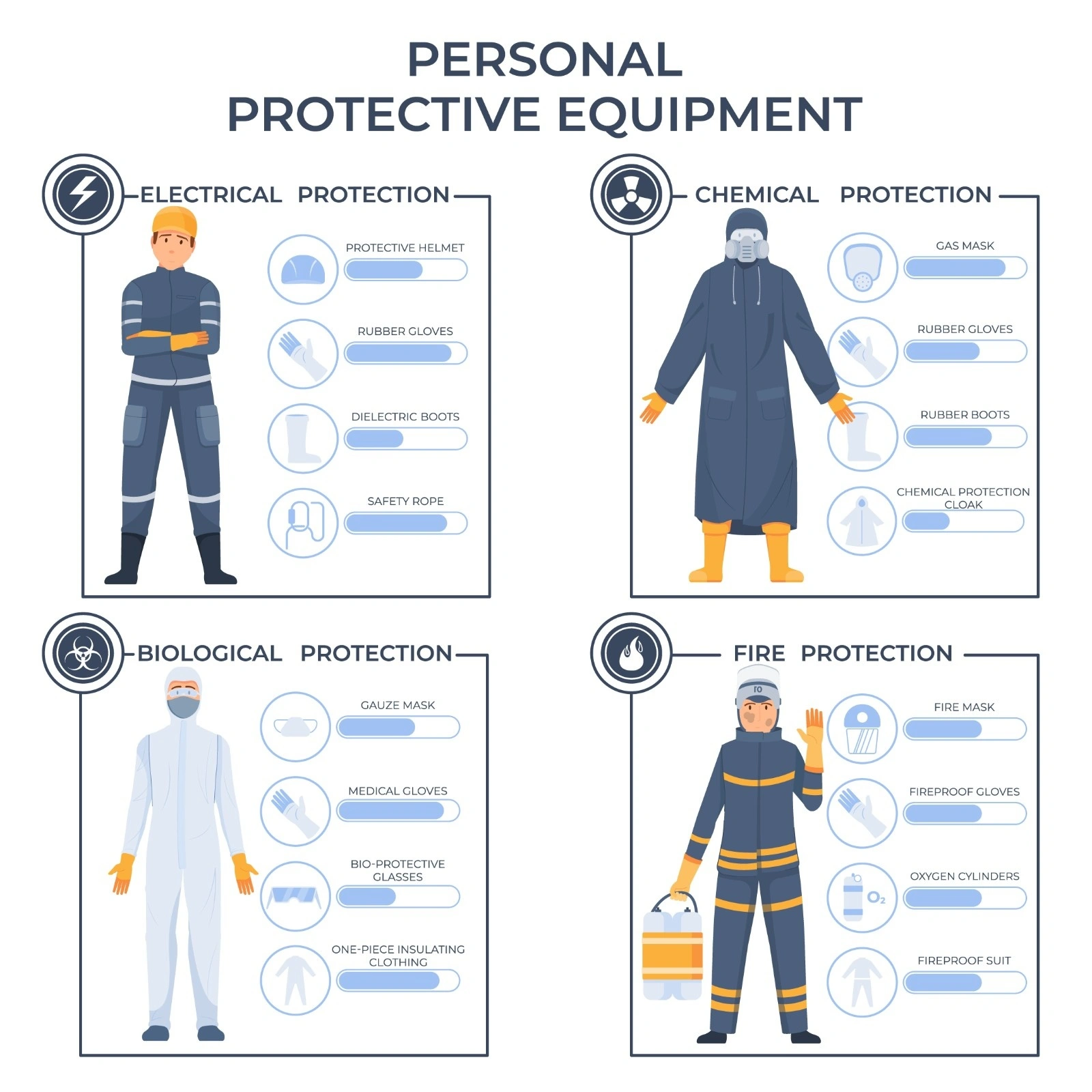
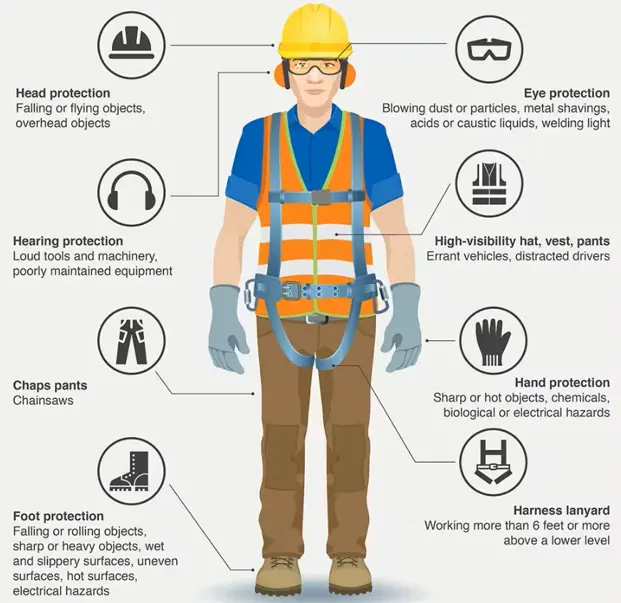
PPE Detection systems are designed to recognize essential safety gear based on industry requirements, including:
Hard hats
High-visibility safety vests
Protective gloves
Safety goggles
Face shields
Protective footwear
Detection rules can be customized based on zones, job roles, or operational risk levels.
How PPE Detection Works
1. Video Capture
Strategically placed cameras capture continuous footage of workers entering or operating in monitored areas.
2. Image Enhancement
The system preprocesses video frames to optimize clarity and detection accuracy.
3. Object and PPE Recognition
AI algorithms identify individuals and analyze whether required PPE items are present.
4. Compliance Verification
Detected PPE is validated against predefined safety rules for that location.
5. Alerts and Reporting
Non-compliance triggers instant alerts, while data is recorded for analysis, reporting, and audits.
This automated workflow ensures that safety monitoring is proactive rather than reactive.
Industry Applications of PPE Detection
Construction Sites
With dynamic environments and large workforces, construction sites benefit significantly from automated PPE compliance monitoring that reduces accident risks.
Manufacturing and Industrial Facilities
In factories, missing safety equipment can lead to severe injuries and production delays. PPE Detection ensures round-the-clock compliance across shop floors.
Oil and Gas Operations
High-risk zones demand strict adherence to safety protocols. PPE Detection systems can integrate with access controls to restrict entry without proper gear.
Warehousing and Logistics
High-visibility PPE is essential around moving vehicles and heavy equipment. Automated detection helps maintain visibility and prevent collisions.
Benefits of Implementing PPE Detection
Real-Time Safety Enforcement - Instant alerts enable supervisors to take immediate corrective action.
Operational Efficiency - Automated monitoring reduces reliance on manual inspections and safety patrols.
Actionable Safety Insights - Analytics dashboards highlight compliance trends, repeat violations, and high-risk zones.
Stronger Safety Culture - Consistent enforcement increases awareness and encourages workers to follow safety practices proactively.
Scalable Monitoring - Organizations can manage safety compliance across multiple locations from a single platform.
Challenges and Considerations
Environmental Conditions - Dust, low lighting, or camera placement may impact accuracy. Robust AI models and proper system calibration help mitigate these challenges.
System Integration - Successful deployment requires seamless integration with existing surveillance and safety infrastructure.
Privacy and Transparency - Clear communication about safety monitoring builds employee trust and acceptance.
Initial Investment - While implementation involves upfront costs, the long-term reduction in accidents, liabilities, and downtime delivers strong ROI.
PPE Detection vs Traditional Compliance Methods
| Feature | Manual Monitoring | PPE Detection |
|---|---|---|
| Accuracy | Subject to error | High precision |
| Scalability | Limited | Excellent |
| Consistency | Varies | Uniform |
| Alerts | Delayed | Real-time |
| Data Insights | Minimal | Comprehensive |
| Labor Intensive | Yes | No |
The comparison highlights why modern industries are transitioning toward automated PPE compliance solutions.
Future of PPE Detection
Predictive Safety Intelligence
Combining PPE compliance data with behavioral analytics to anticipate potential risks.
Integration with IoT and Smart PPE
Connected safety gear will further enhance detection and monitoring capabilities.
Advanced AI Models
Improved accuracy in crowded, complex, and low-visibility environments.
Augmented Reality Safety Training
Real-time visual guidance to reinforce safety practices during training and operations.
Conclusion
PPE Detection represents a significant shift in how organizations approach workplace safety. By replacing inconsistent manual checks with intelligent automation, it helps prevent accidents, ensure compliance, and foster a safety-first culture across industries.
Katomaran delivers advanced AI-powered video analytics solutions that enable reliable and scalable PPE Detection for industrial environments. Designed for real-time monitoring and actionable insights, Katomaran’s solutions help organizations automate safety enforcement, receive instant alerts, and maintain comprehensive compliance visibility — all from a unified platform.
To elevate your safety strategy and protect your workforce with intelligent PPE Detection, explore Katomaran’s solutions at katomaran.com

Kavinpradeep
Digital Marketer
Kavinpradeep is a Digital Marketer at Katomaran Technologies, creating content on AI video analytics, VMS, IoT, and intelligent surveillance technologies for real-world use.