Introduction
Hospitals today are under constant pressure to improve patient safety, enhance operational efficiency, and reduce the workload on medical staff. With growing patient volumes and limited manpower, traditional monitoring alone is no longer enough.
This is where AI-powered video analytics becomes a game changer — helping hospitals automate critical tasks, detect risks early, and ensure faster response without adding more staff.
In this blog, we explore the 7 essential video analytics applications every modern hospital must adopt.
1. Patient Fall Detection & Prevention
Patient falls are among the most frequent and costly incidents in hospitals.
With AI-powered video analytics, healthcare teams can:
- ➤Detect slips, falls, or sudden collapse instantly
- ➤Trigger automatic alerts to nurses or caregivers
- ➤Monitor high-risk patients without compromising privacy
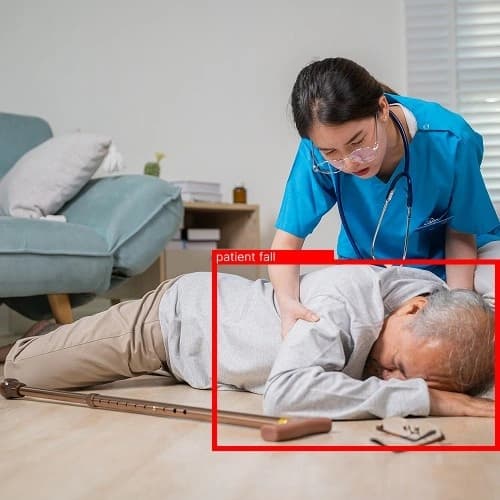
This ensures rapid intervention, reduces injuries, and gives families confidence that their loved ones are continuously protected.
2. ICU & High-Risk Patient Monitoring
ICU environments demand constant vigilance, and missing even a subtle sign of distress can be critical.
Smart video analytics enhances ICU safety by:
- ➤Continuously monitoring patient movement and posture
- ➤Detecting abnormal inactivity, restlessness, or attempts to leave the bed
- ➤Sending real-time alerts to ICU staff for immediate action
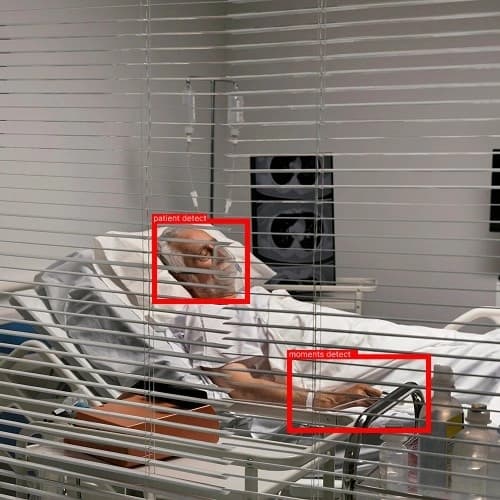
This acts as an additional 24×7 safety layer, especially valuable during night shifts or periods of limited staffing.
3. Restricted Area & Medicine Storage Access Control
Hospitals contain several sensitive zones — such as pharmacies, oxygen storage rooms, ICU wings, and bio-labs — that require strict access control.
AI video analytics helps secure these areas by:
- ➤Identifying unauthorized entries or tailgating
- ➤Detecting forced access attempts
- ➤Maintaining digital logs for audits and compliance checks
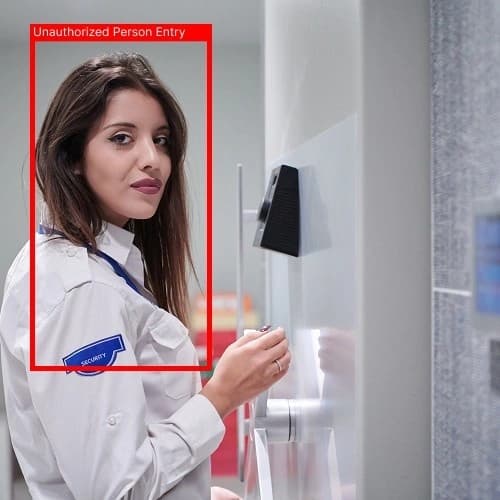
This ensures that only authorized personnel access critical spaces, strengthening overall hospital safety.
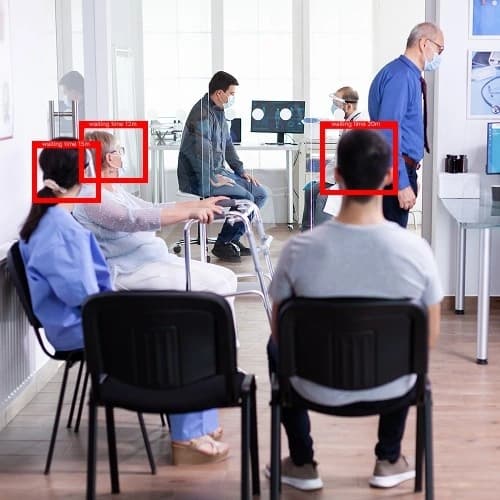
4. Queue Monitoring in OPD & Billing Counters
Long queues at reception, OPD, pharmacy, or billing counters significantly impact patient satisfaction.
Video analytics helps optimize service flow by:
- ➤Monitoring queue lengths in real time
- ➤Predicting expected waiting times
- ➤Sending alerts to staff when counters require additional support
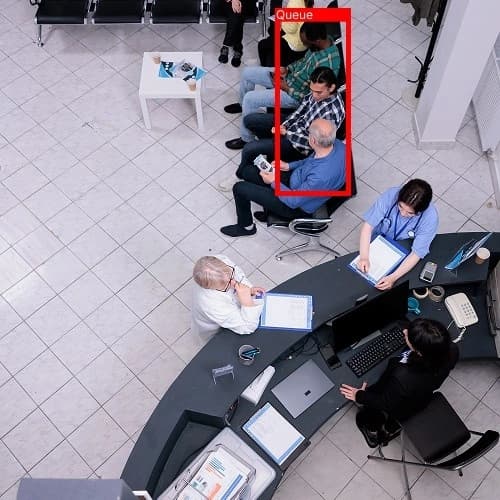
This leads to smoother patient movement, reduced wait times, and a better overall hospital experience.
5. Infection Control & PPE Compliance Monitoring
Maintaining strict hygiene and PPE compliance is essential in areas like OT, ICU, NICU, and emergency rooms.
AI video analytics can automatically identify:
- ➤Mask usage compliance
- ➤Gloves, gown, and other PPE adherence
- ➤Staff entering sterile zones without proper protection
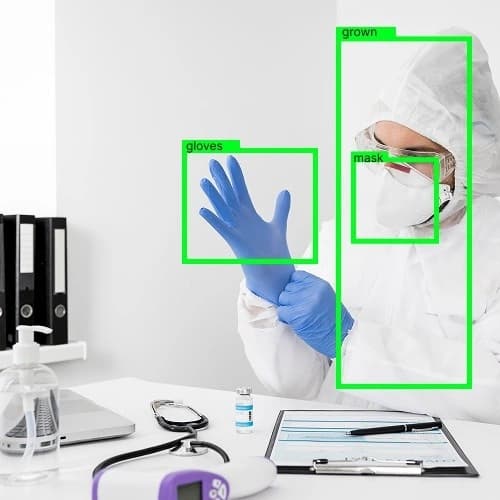
This automates infection control enforcement and ensures consistent compliance without manual supervision.
6. Perimeter & Parking Security
Hospital campuses are busy environments with constant movement of people and vehicles.
Video analytics improves outdoor security by detecting:
- ➤Intrusions into restricted zones
- ➤Suspicious or unusual after-hours activity
- ➤Abandoned objects or vehicles
- ➤Parking violations and irregular traffic flow
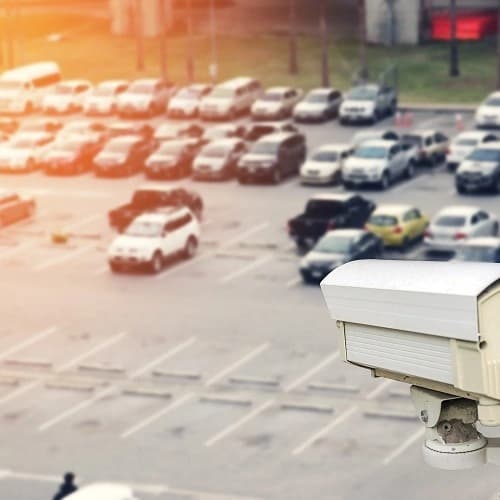
These insights help security teams maintain a safer campus and ensure smooth parking management.
7. Staff Efficiency & Resource Utilization Monitoring
Hospitals frequently deal with staffing challenges, especially during peak hours.
Video analytics enables smarter workforce planning by:
- ➤Tracking staff availability in critical areas
- ➤Identifying delays and operational bottlenecks
- ➤Measuring patient-to-staff response times
This data-driven approach helps improve service efficiency, reduce overload, and enhance the overall patient experience.
Benefits of Implementing AI Video Analytics in Hospitals
By integrating AI-powered video analytics, hospitals can achieve:
- Stronger patient safety with instant alerts for falls, distress, and abnormal events
- Faster clinical response through continuous, automated monitoring
- Lower operational costs by reducing the need for manual supervision
- Improved compliance with detailed, audit-ready digital records
- Smoother patient flow across OPD, emergency, pharmacy, and billing zones
With AI, everyday cameras evolve from simple recording devices into intelligent systems that actively support hospital operations and patient care.
Why Hospitals Choose Katomaran’s AI Video Analytics Platform
At our company, we build healthcare-grade AI video analytics designed for high accuracy, 24×7 reliability, and fast deployment.
Our platform offers:
Deep-learning models optimized for hospital environments
Real-time alerts across nursing stations, control rooms, and mobile apps
Proven deployments across hospitals and medical campuses
Easy integration with existing CCTV infrastructure
Hospitals trust Katomaran to strengthen safety, improve patient care, and streamline operations without increasing manpower.
Conclusion
AI video analytics is no longer optional — it's becoming a core part of modern hospital operations. These 7 smart applications help hospitals prevent accidents, improve patient experience, and ensure round-the-clock operational visibility.
Hospitals that invest in AI now are better prepared for the future, more efficient, and significantly safer for both patients and staff.

Dinesh Kumar
SEO Analyst
Dinesh Kumar is an SEO Analyst at Katomaran Technologies, writing search-optimized content on AI video analytics, VMS, intelligent surveillance, and IoT-driven technology solutions.