Introduction
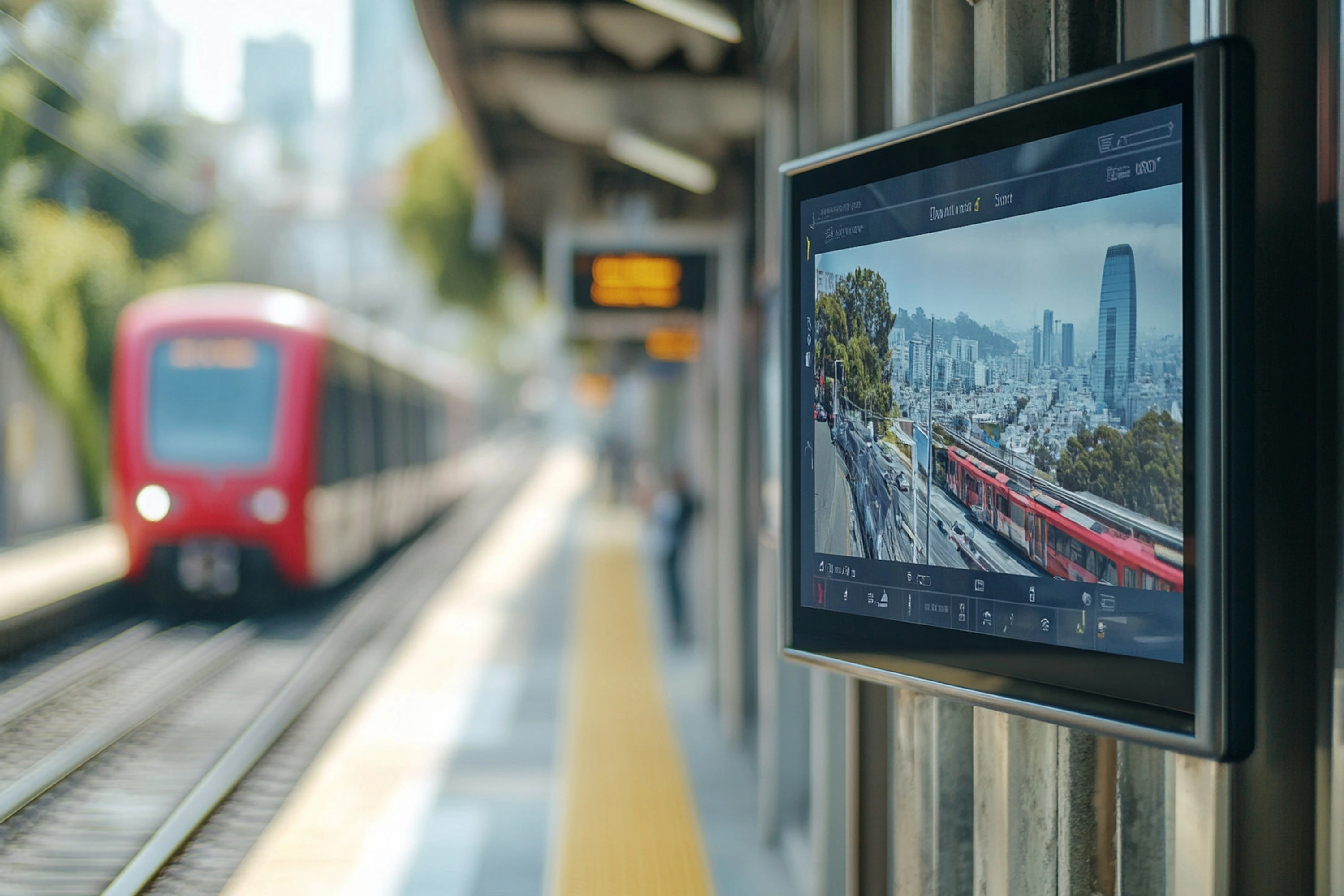
Modern metro systems are evolving rapidly as cities continue to grow and passenger needs become more complex. Today’s urban transit networks require more than just trains and tracks — they need intelligent systems that can enhance safety, optimize operations, and improve passenger experience. This is where AI Video Analytics in Metro Systems is transforming the way metros operate.
By leveraging advanced algorithms and real-time video intelligence, metro operators can detect incidents instantly, manage crowds efficiently, and ensure smoother transit experiences. This blog explores the Top 10 Use Cases, highlighting how metro authorities worldwide are embracing AI-powered vision to build safer, smarter, and more resilient transportation networks.
1. Real-Time Incident Detection
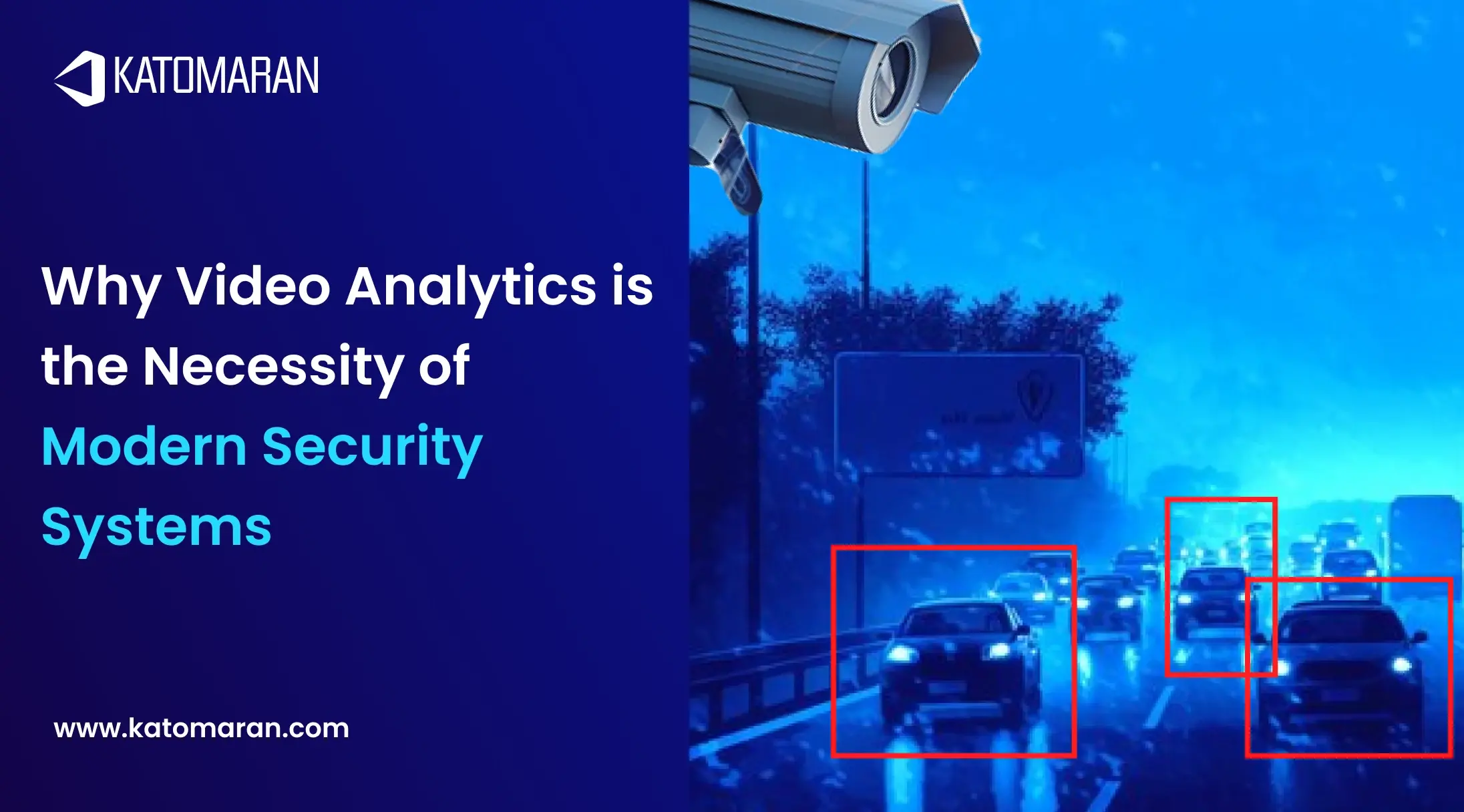
With millions of commuters moving through stations daily, manual monitoring alone is no longer sufficient. Through AI Video Analytics in Metro Systems, authorities can detect incidents such as falls, fights, unauthorized entry, and suspicious behavior within seconds.
This use case improves:
Passenger safety
Operator response time
Operational efficiency
The inclusion of real-time incident detection (an LSI keyword) ensures commuters are protected around the clock.
2. Crowd Management & Congestion Control
Metro stations often see heavy footfall during peak hours, festivals, or emergencies. Overcrowding can lead to safety risks and operational delays. Through Smart Metro Surveillance (a Secondary Keyword), authorities can continuously monitor crowd density and control passenger flow proactively.
Key capabilities include:
Heatmap analysis
Crowd density alerts
Prediction of congestion patterns
This aligns with LSI phrases like crowd management analytics and intelligent transportation systems.
3. Automated Passenger Counting
Accurate passenger data is crucial for optimizing train frequency, station staffing, and resource planning. Traditionally, this data was collected manually or through basic sensors, which were prone to errors. Today, AI Video Analytics in Metro Systems enables real-time, automated passenger counting with superior accuracy.
Benefits include:
Improved scheduling
Better demand forecasting
Efficient operations
This directly supports LSI keywords such as automated passenger counting and metro operations optimisation.
4. Platform Intrusion Detection
Safety on metro platforms is non-negotiable. AI can detect dangerous behavior such as passengers crossing safety lines, falling on tracks, or unauthorized access to restricted areas.
Platform intrusion detection (LSI keyword) provides:
Instant alerts to station staff
Reduced accidents
Enhanced commuter safety
For high-speed or fully automated metros, this is one of the most important use cases.
5. AI-Powered Surveillance for Security Threats
With millions relying on metros daily, security threats such as theft, vandalism, or suspicious objects must be identified swiftly. AI-powered Metro Security (Secondary Keyword) strengthens station vigilance through intelligent video analytics.
Capabilities include:
Suspicious object detection
Behavior analysis
Unattended baggage alerts
This aligns with LSI phrases like AI surveillance solutions, behaviour detection analytics, and video-based threat detection.
6. Train and Track Monitoring
Keeping trains and tracks in optimal condition is essential for uninterrupted metro services. Traditional inspections are time-consuming and require manual manpower. With AI Video Analytics in Metro Systems, operators can now automate parts of their track and rolling-stock surveillance.
AI helps detect:
Track fractures
Debris
Unusual vibrations
Wear and tear
This supports the LSI keyword predictive maintenance with AI and reduces downtime while improving service reliability.
7. Ensuring Passenger Safety Through Behavioral Analysis
Passenger behavior can sometimes signal potential risks. From loitering in sensitive areas to running across escalators, AI can identify unusual patterns and alert authorities.
This improves:
Safety compliance
Proactive intervention
Reduced accidents
This relates strongly to behaviour detection analytics and public transport automation (LSI keywords).
8. Improving Operational Efficiency
AI video data is not limited to monitoring passengers — it also helps metro operators streamline backend operations. By analyzing movement flows, staff performance, queue patterns, and station usage, metros can optimize their operations.
Examples include:
Better queue management
Efficient ticket counter allocation
Enhanced resource deployment
This resonates with LSI terms like metro operations optimisation and intelligent transportation systems.
9. Enhancing Passenger Experience
Modern commuters expect safe, seamless, and stress-free travel. Through AI Video Analytics in Metro Systems, authorities can monitor escalator usage, lift availability, passenger movement patterns, and platform congestion, ensuring comfort and accessibility.
Improvements include:
Reduced waiting times
Safer escalator and lift usage
Quick resolution of station-level issues
This supports the LSI theme of smart public transport and contributes to a positive commuter journey.
10. Integration with Smart City Ecosystems
As cities adopt IoT, automation, and digital intelligence, modern metros are integrating their AI video systems with broader smart city platforms.
Examples of integration include:
Emergency services
Traffic management
City command centers
This elevates metros into smart mobility hubs. LSI keywords such as AI CCTV monitoring, public transport automation, and intelligent transportation systems fit perfectly in this context.
Core Modules of AI Video Analytics for Modern Metro Systems
| Modules | Description |
|---|---|
| Object Detection & Classification | Identifies people, bags, vehicles, obstacles, and suspicious items across stations, platforms, and tracks. |
| Intrusion & Trespass Detection | Sends instant alerts when someone enters restricted zones, crosses tracks, or breaches platform safety boundaries. |
| Crowd Density & Flow Analysis | Uses heatmaps and density mapping to monitor crowd buildup, bottlenecks, and passenger movement patterns. |
| Automated Passenger Counting (APC) | Accurately counts passengers entering, exiting, and waiting on platforms to support train scheduling and demand forecasting. |
| Behavior & Anomaly Detection | Detects unusual activities such as loitering, running, aggressive behavior, or irregular movement that may indicate risk. |
| Unattended Object Detection | Identifies abandoned bags or suspicious objects and triggers security alerts. |
| Safety Compliance Monitoring | Monitors adherence to safety rules like helmet/jacket usage or restricted area access by staff and contractors. |
| Track & Tunnel Monitoring | Detects debris, cracks, foreign objects, or track damage to support predictive maintenance. |
| Vehicle & Train Movement Analytics | Tracks train arrivals, departures, docking accuracy, and track-side operations in real time. |
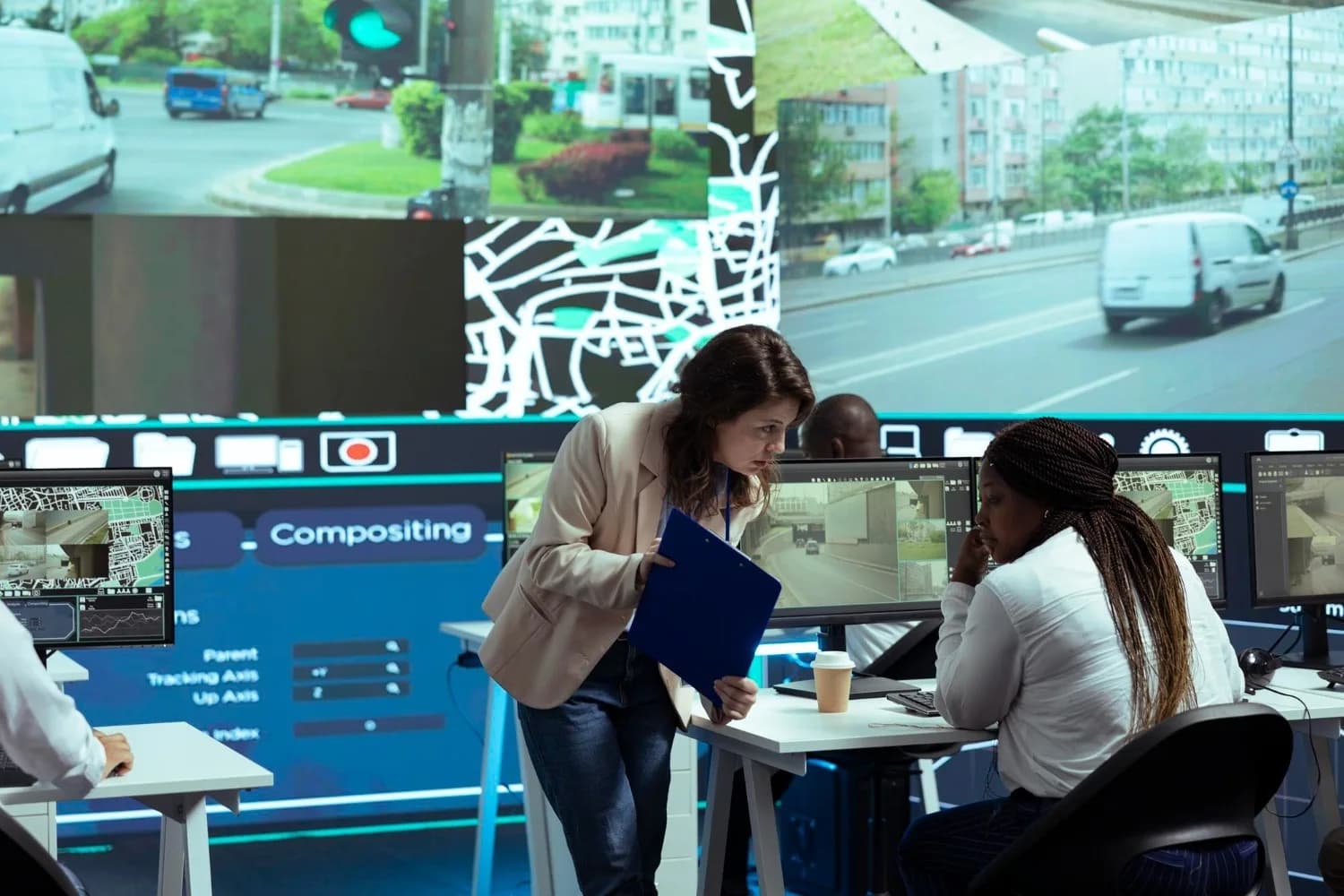
| Command Center Integration Module | Aggregates all analytics data into a single dashboard for centralized monitoring, alerts, and quick decision-making. |
Final Thoughts
As urban populations rise, metro networks must evolve to meet growing mobility needs. By adopting AI Video Analytics in Metro Systems, authorities can ensure smarter surveillance, safer journeys, and optimized operations. From crowd management analytics and automated passenger counting to platform intrusion detection and predictive maintenance with AI, the possibilities are vast and transformative.
AI is no longer a futuristic add-on — it’s becoming a foundational pillar for reliable, secure, and intelligent metro ecosystems worldwide.
Katomaran, a leading provider of advanced AI Video Analytics solutions, empowers modern metro systems with real-time incident detection, automated monitoring, and highly scalable video intelligence platforms. Through Katomaran’s cutting-edge analytics technology, metro operators can enhance safety, streamline operations, and deliver a seamless commuter experience.
Explore Katomaran’s full suite of video analytics capabilities here: Katomaran Video Analytics Services

Kavinpradeep
Digital Marketer
Kavinpradeep is a Digital Marketer at Katomaran Technologies, creating content on AI video analytics, VMS, IoT, and intelligent surveillance technologies for real-world use.