Introduction
Urban traffic is no longer just about signals and infrastructure—it’s about intelligence. As cities grow and vehicle density increases, traditional traffic enforcement methods struggle to keep up. Manual policing, isolated CCTV networks, and disconnected systems often lead to delayed responses, missed violations, and inefficiencies.
This is where integrating CCTV with Intelligent Traffic Management Systems (ITMS) makes a real difference. By creating a unified video ecosystem, cities can move from reactive monitoring to proactive enforcement and real-time response.

What is CCTV + ITMS Integration?
CCTV + ITMS integration combines existing surveillance cameras with intelligent systems powered by AI, analytics, and automation.
Traditionally:
1. CCTV cameras were used mainly for monitoring or investigation
2. Traffic systems operated independently
With integration:
1. Video feeds become actionable data
2. ITMS analyzes traffic in real time
3. Enforcement becomes automated and accurate
Instead of just recording events, cameras actively contribute to traffic management and enforcement.
Why Traditional Traffic Monitoring Falls Short
Many cities still rely on disconnected systems, which creates major limitations:
1. Fragmented Systems
CCTV, signals, and enforcement operate separately, slowing down decision-making.
2. Delayed Enforcement
Violations are often reviewed after they occur, reducing their impact.
3. Underutilized Cameras
Even with widespread CCTV coverage, lack of integration limits effectiveness.
How Unified Video Transforms Traffic Enforcement
Integrating CCTV with ITMS turns surveillance into a powerful enforcement tool.
1. Real-Time Violation Detection
AI-powered systems monitor live feeds to detect: red-light violations, overspeeding, helmet and seatbelt violations, and wrong-way driving. This enables immediate detection instead of post-event analysis.
2. Automated E-Challan Generation
Once a violation is identified, the vehicle number is captured via ANPR, evidence is recorded, and an e-challan is generated automatically. This reduces manual effort and increases enforcement accuracy.
3. Continuous 24/7 Monitoring
No dependency on manual supervision, ensuring consistent enforcement across locations and improved compliance over time.
Improving Incident Response with Unified Video
Beyond enforcement, unified video significantly improves response capabilities.
1. Instant Incident Detection
Systems identify accidents, congestion, vehicle breakdowns, or suspicious activity. Alerts are sent instantly for quick action.
2. Centralized Monitoring
Command centers provide unified dashboards and live feeds for better coordination across departments, enabling real-time traffic visibility.
3. Faster Emergency Response
Dynamic traffic control and quick dispatch of emergency services directly improve public safety, reducing response times.
Key Technologies Behind Integration
AI Video Analytics: Analyzes traffic behavior and detects violations automatically.
ANPR (Automatic Number Plate Recognition): Identifies vehicles for enforcement and tracking.
Edge and Cloud Processing: Local edge devices process data quickly while cloud systems handle storage and scale.
Unified Dashboards: All data is visualized in one platform for better decision-making.
Benefits of Unified Video in Traffic Management
Improved Road Safety: Automated enforcement reduces violations and accidents.
Higher Efficiency: Large areas can be monitored with fewer resources.
Data-Driven Decisions: Insights help improve long-term planning and infrastructure.
Cost Optimization: Existing CCTV systems can be upgraded instead of replaced.
Better Citizen Experience: Reduced congestion leads to faster commutes and safer roads.
Real-World Impact: From Monitoring to Smart Enforcement
Cities adopting integrated systems are seeing real-time violation detection, centralized control of large camera networks, and more effective traffic response. This shift turns traditional monitoring systems into intelligent enforcement ecosystems.
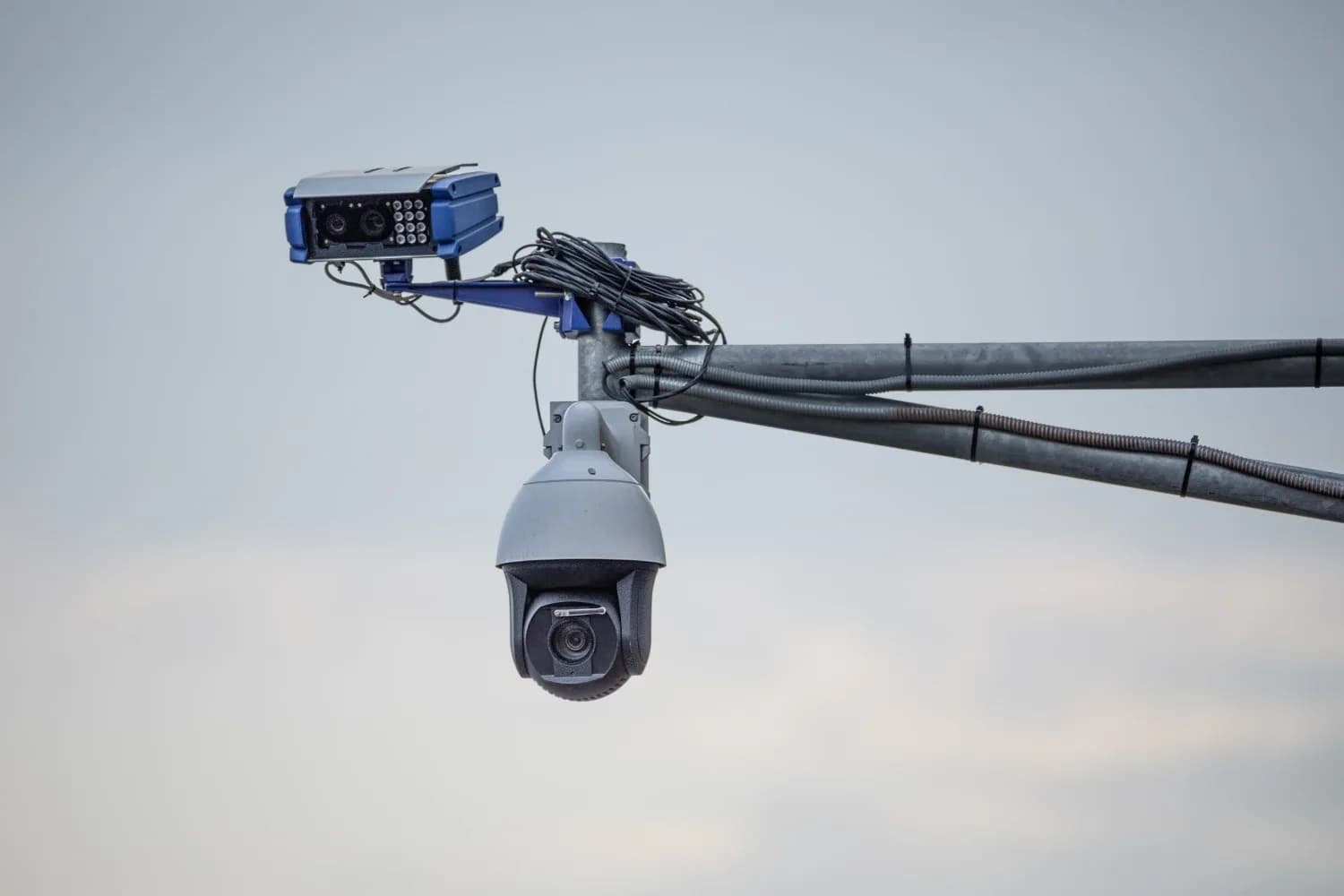
Conclusion: Building Smarter Enforcement with Katomaran
Integrating CCTV with ITMS enables faster enforcement, real-time response, and smarter traffic management. Katomaran’s AI-powered video analytics solutions help transform existing surveillance into intelligent, scalable systems—enabling automated enforcement, centralized monitoring, and improved road safety.
For organizations looking to move from reactive monitoring to proactive control, Katomaran provides the technology to make it possible.

Kavinpradeep
Digital Marketer
Kavinpradeep is a Digital Marketer at Katomaran Technologies, creating content on AI video analytics, VMS, IoT, and intelligent surveillance technologies for real-world use.