
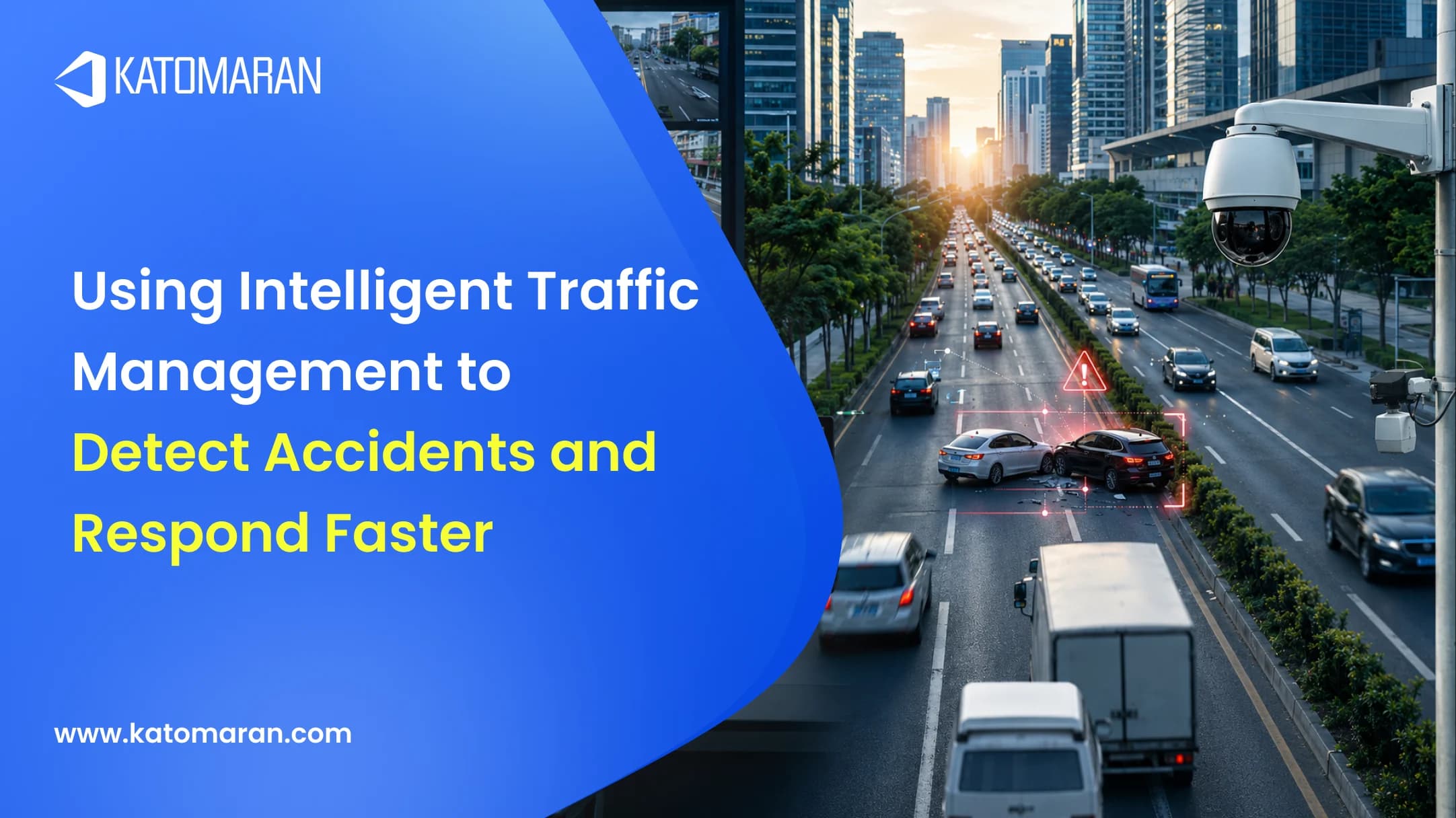
Using Intelligent Traffic Management to Detect Accidents and Respond Faster
Learn how intelligent traffic management systems use AI, CCTV video analytics, and real-time alerts to detect road accidents faster and improve emergency response.
Manufacturing plants operate in highly dynamic environments where production efficiency, worker safety, inventory management, and dispatch coordination must function without interruption. A modern VMS enables manufacturers to centrally monitor and manage all camera feeds.

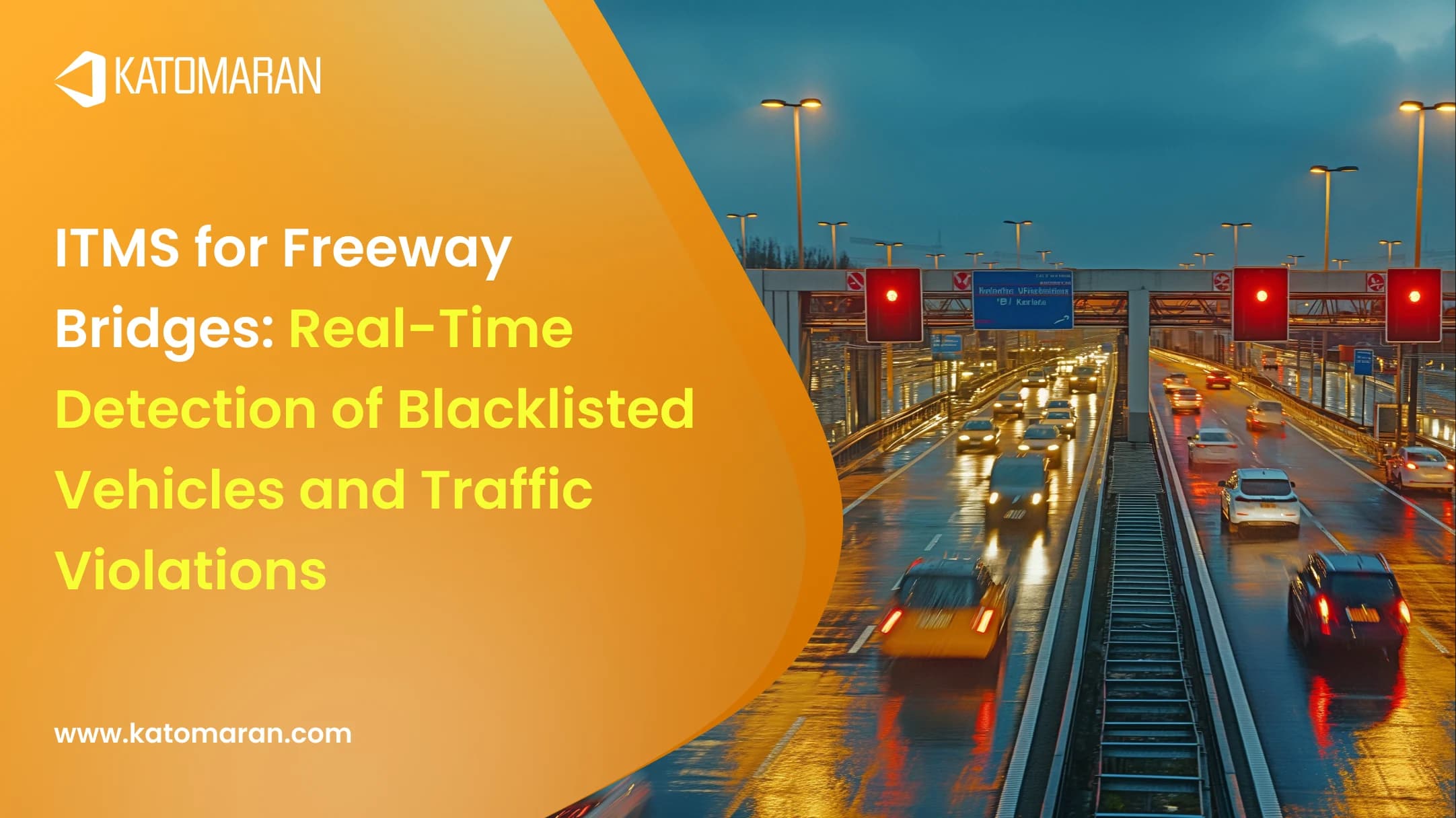
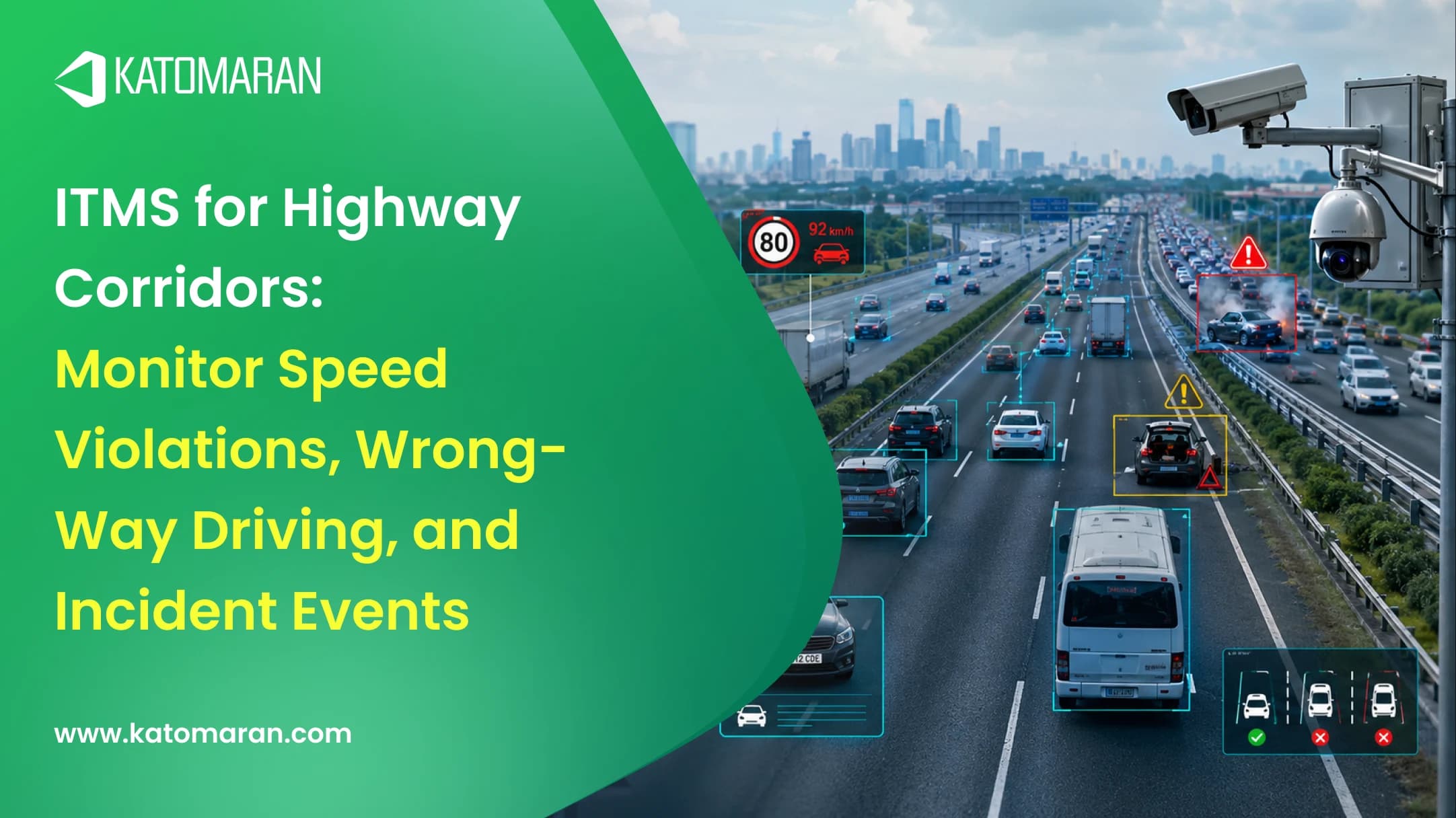
Discover how ITMS for Freeway Bridges enables real-time traffic violation detection, blacklisted vehicle identification, ANPR monitoring, and AI-powered highway surveillance for safer traffic management.

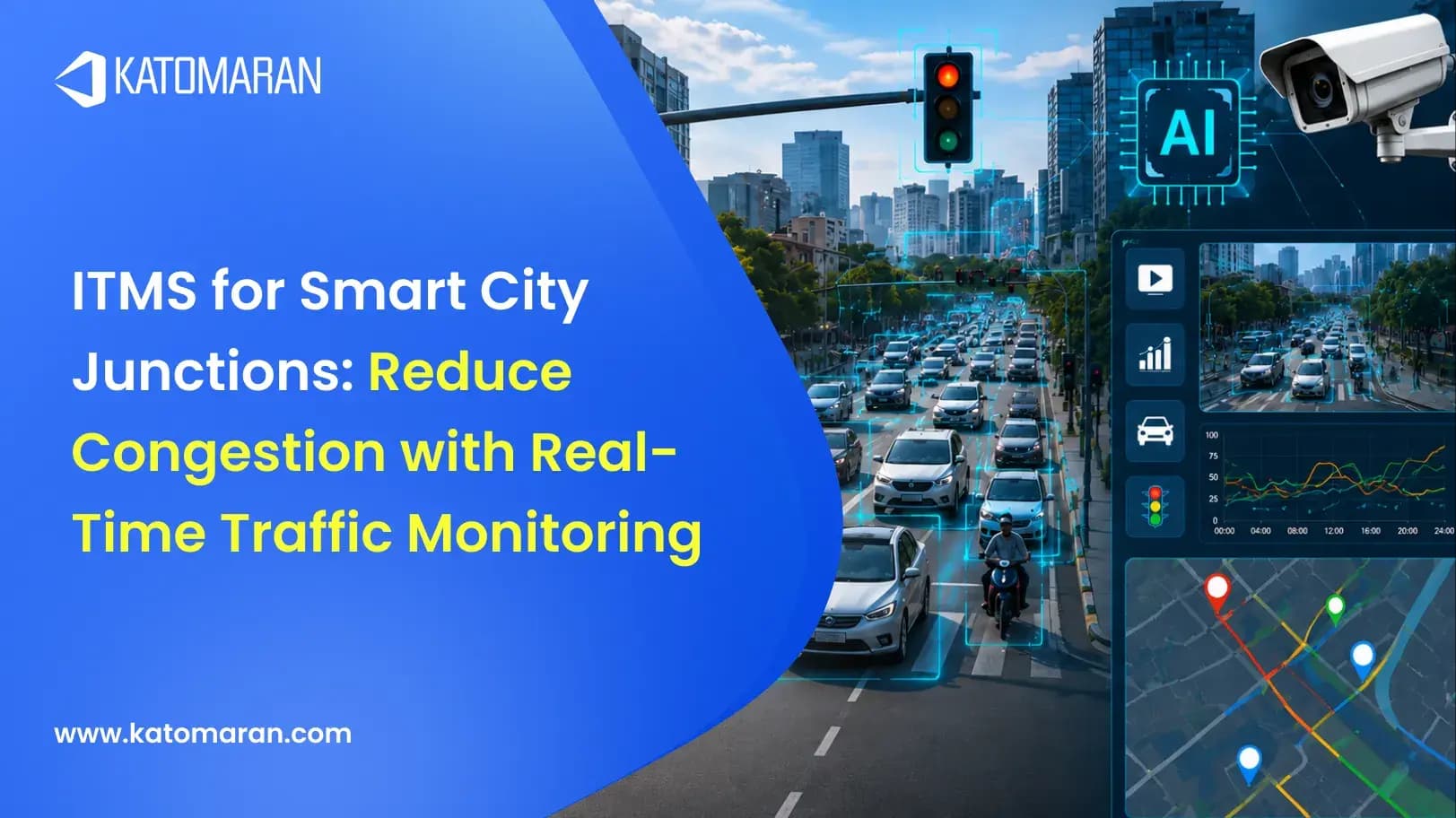
Urban traffic is no longer just about signals and infrastructure—it’s about intelligence. As cities grow and vehicle density increases, traditional traffic enforcement methods struggle to keep up.

Organizations operating across multiple locations face a unique security challenge. Retail chains, banks, logistics networks, healthcare providers, and corporate enterprises often manage dozens—or even hundreds—of branches. Ensuring consistent security across every site can quickly become complex and expensive.

Organizations today rarely operate from just one location. Retail chains run hundreds of stores, banks manage multiple branches, logistics companies oversee warehouses across cities, and manufacturing firms operate several plants. Each of these locations often has its own CCTV cameras, recording systems, and security teams. Managing all these surveillance systems separately can quickly become complicated.

Small and medium-sized enterprises are the backbone of global economies. Yet, many lack the budget and in-house expertise required to deploy advanced security systems. Traditional security architectures – especially on-premise CCTV setups – come with high upfront costs and complex infrastructure requirements. They are also susceptible to failures, data loss, and limited remote access features.

Air travel today is faster and more interconnected than ever. With growing passenger volumes, airports face constant pressure to move travelers efficiently without compromising safety. Long queues, repeated document checks, and manual verification processes often create delays that affect both passenger experience and operational performance.

Urban living is evolving. Gated communities, apartment complexes, and large residential townships are no longer just about amenities—they are about safety, convenience, and smart living. As communities grow in size and complexity, traditional CCTV systems often struggle to keep up with modern security demands.

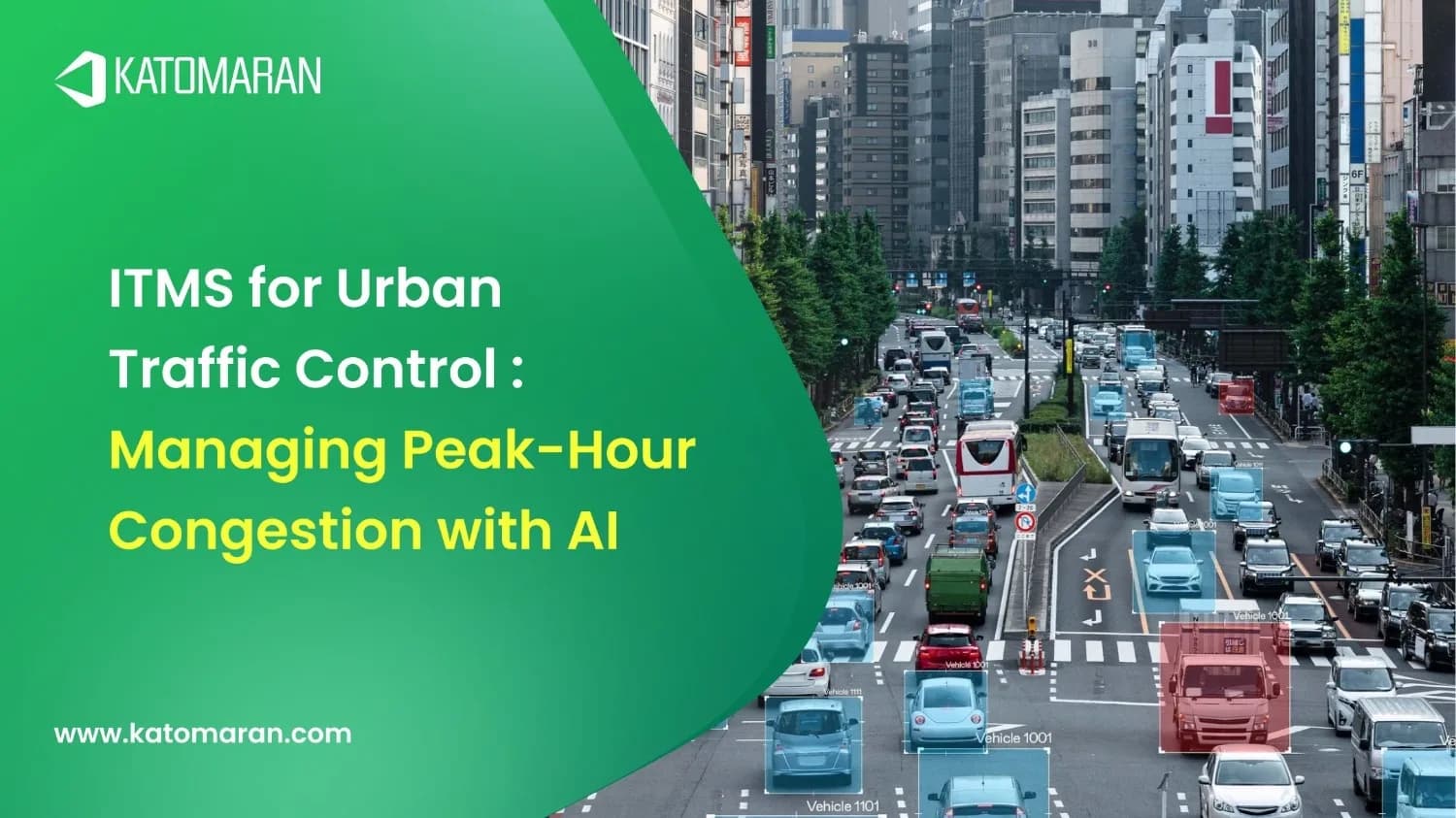
Peak-hour congestion is one of the most persistent challenges in urban traffic management. Morning and evening rush hours compress large volumes of movement into short time windows, overwhelming city road networks. Office commutes, school traffic, public transport schedules, and commercial activity converge simultaneously, creating intense pressure on intersections and arterial roads.

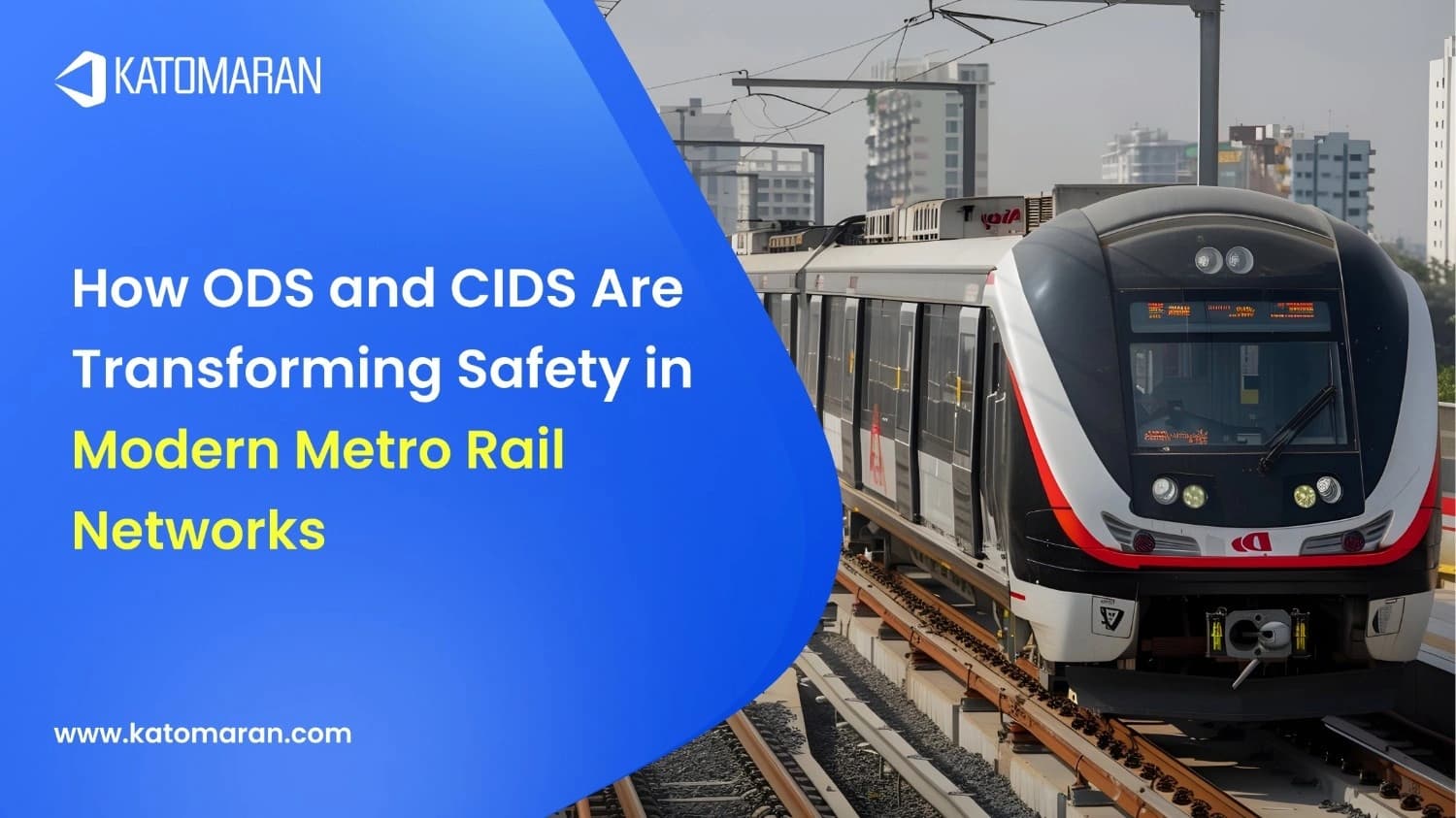
As metro rail networks expand across major cities, safety expectations are rising alongside passenger volumes. Fully automated and unattended train operations demand systems that can identify risks instantly, without relying on human intervention alone. This is where ODS and CIDS for metro rails have become mission-critical technologies.

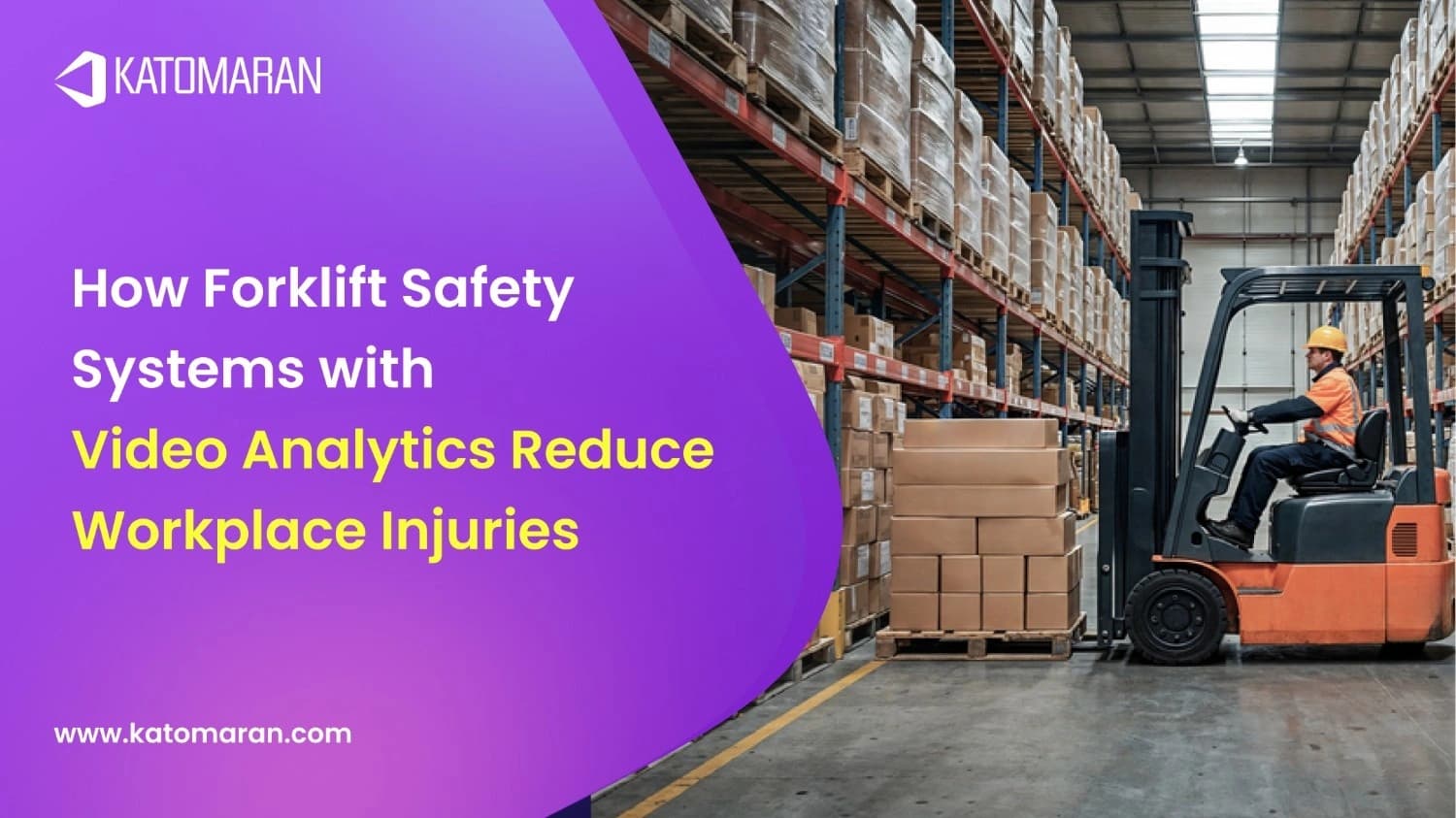
Warehouses, manufacturing plants, and logistics hubs depend heavily on forklifts to keep operations moving. From loading docks to narrow aisles, forklifts are constantly in motion—often working close to people, inventory, and infrastructure.

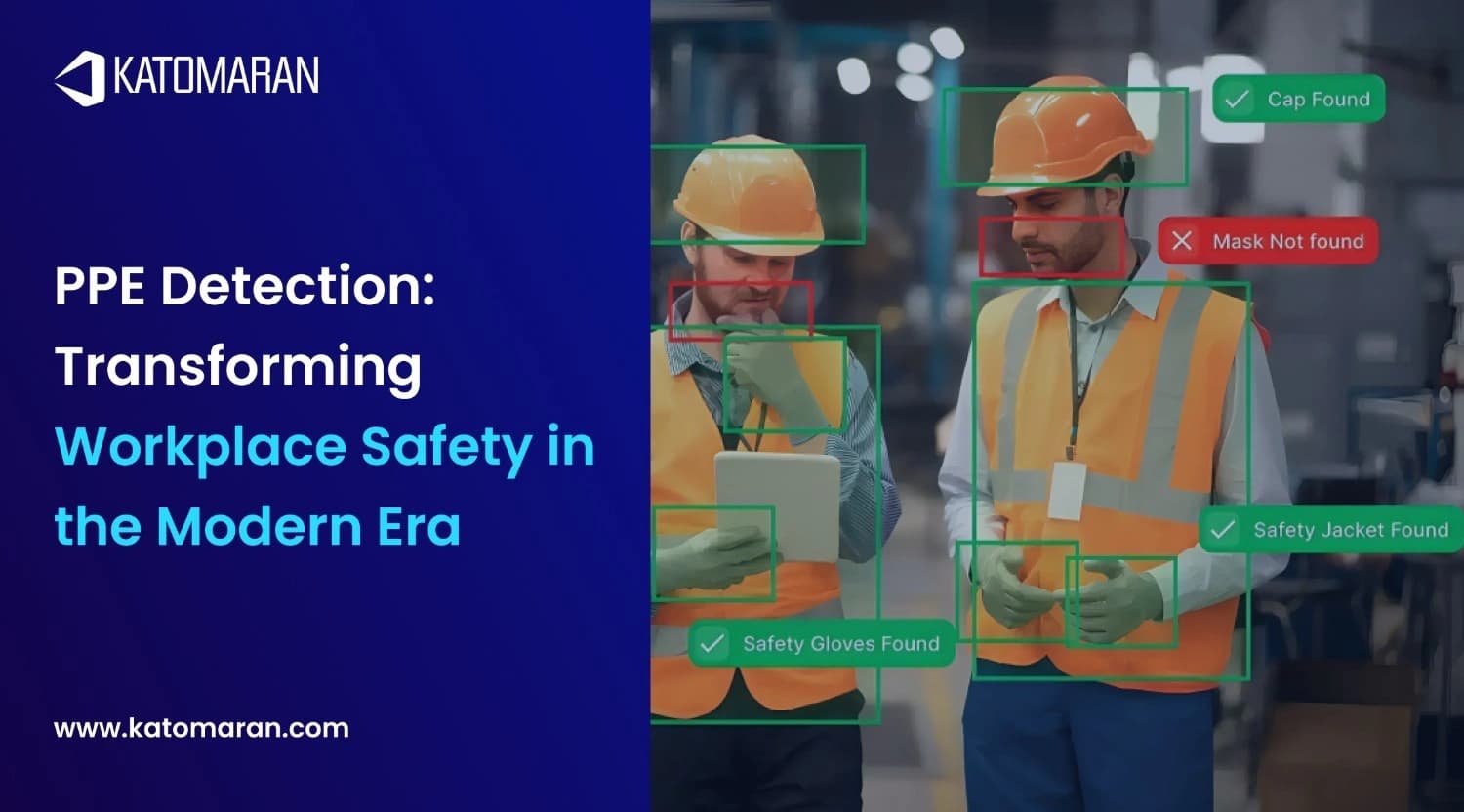
Ensuring workplace safety has become a critical priority for industries operating in high-risk environments. From construction sites and manufacturing plants to oil refineries and logistics hubs, even a single safety lapse can result in severe injuries, operational downtime, and legal consequences. One of the most effective ways to minimize these risks is by enforcing the correct use of personal protective equipment (PPE)

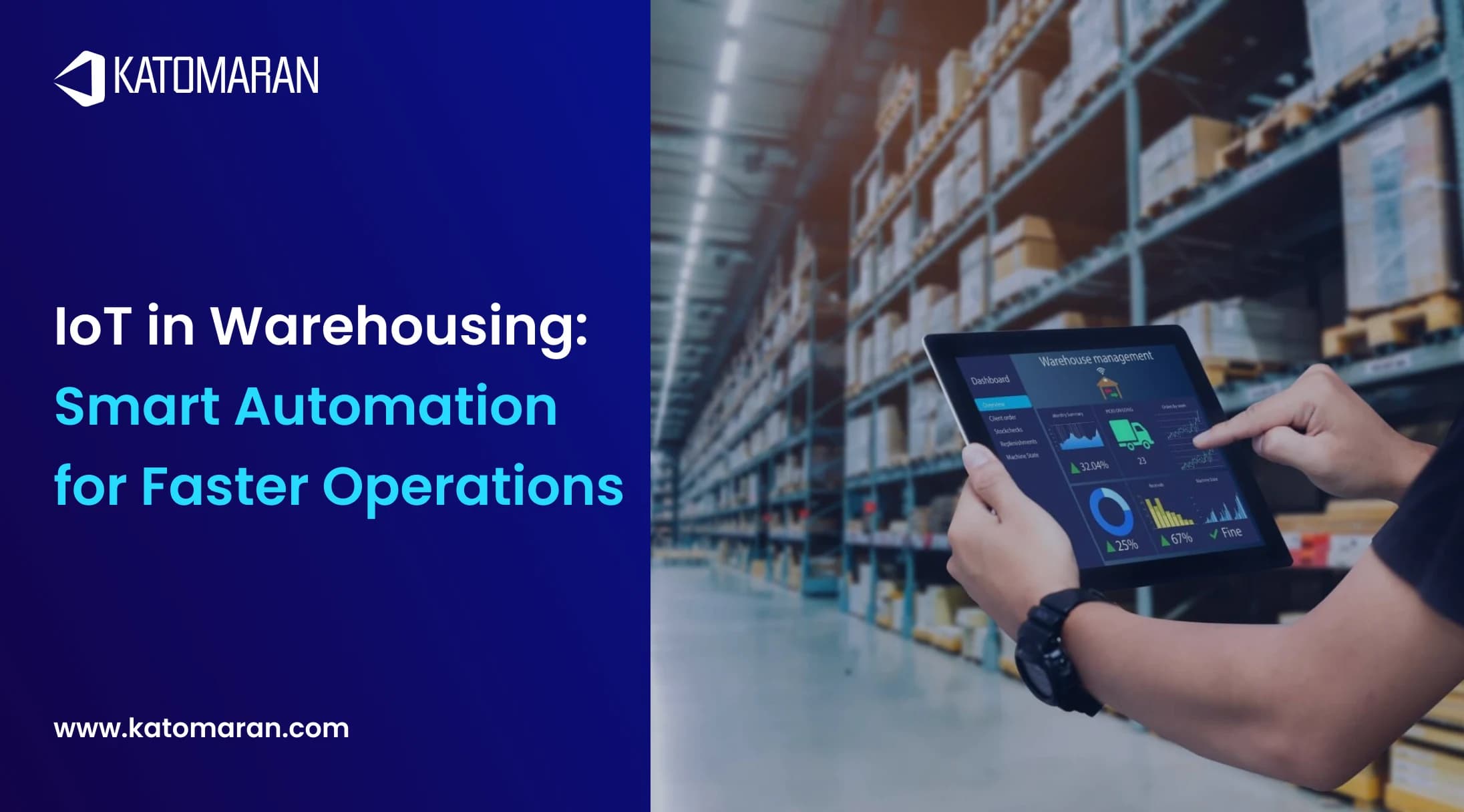
Modern warehouses face several operational challenges: inaccurate inventory records, delays in picking and dispatch, equipment downtime, safety risks, and rising operational costs. Manual processes simply cannot keep up with the scale and speed required today. Smart warehouse automation powered by IoT addresses these issues by enabling continuous monitoring and intelligent response mechanisms.

In today's rapidly evolving security landscape, organisations across sectors are re-evaluating how people access their facilities. For decades, Traditional Access Cards were the standard solution for workforce authentication and entry management. However, with the rise of advanced AI technologies, businesses are increasingly adopting the AI-powered Facial Recognition System as a more secure, efficient, and future-ready alternative.

In today's fast-moving world, businesses across every sector are facing a common challenge—how to maintain high levels of safety, productivity, and operational efficiency while reducing risk and cost. Traditional surveillance systems, once considered enough for basic monitoring, no longer meet the expectations of modern industries.

Modern metro systems are evolving rapidly as cities continue to grow and passenger needs become more complex. Today’s urban transit networks require more than just trains and tracks — they need intelligent systems that can enhance safety, optimize operations, and improve passenger experience. This is where AI Video Analytics in Metro Systems is transforming the way metros operate.

Retail is evolving faster than ever. Customers expect smoother experiences, quicker service, and personalized engagement every time they walk into a store. While retailers have always tried to understand shopper behavior, improve store operations, and reduce losses, traditional approaches no longer keep up with the modern pace.

In a world where security demands are rising faster than ever, organizations are facing a real challenge: how do you maintain strong, reliable surveillance without spending a fortune on hardware, maintenance, or staffing?

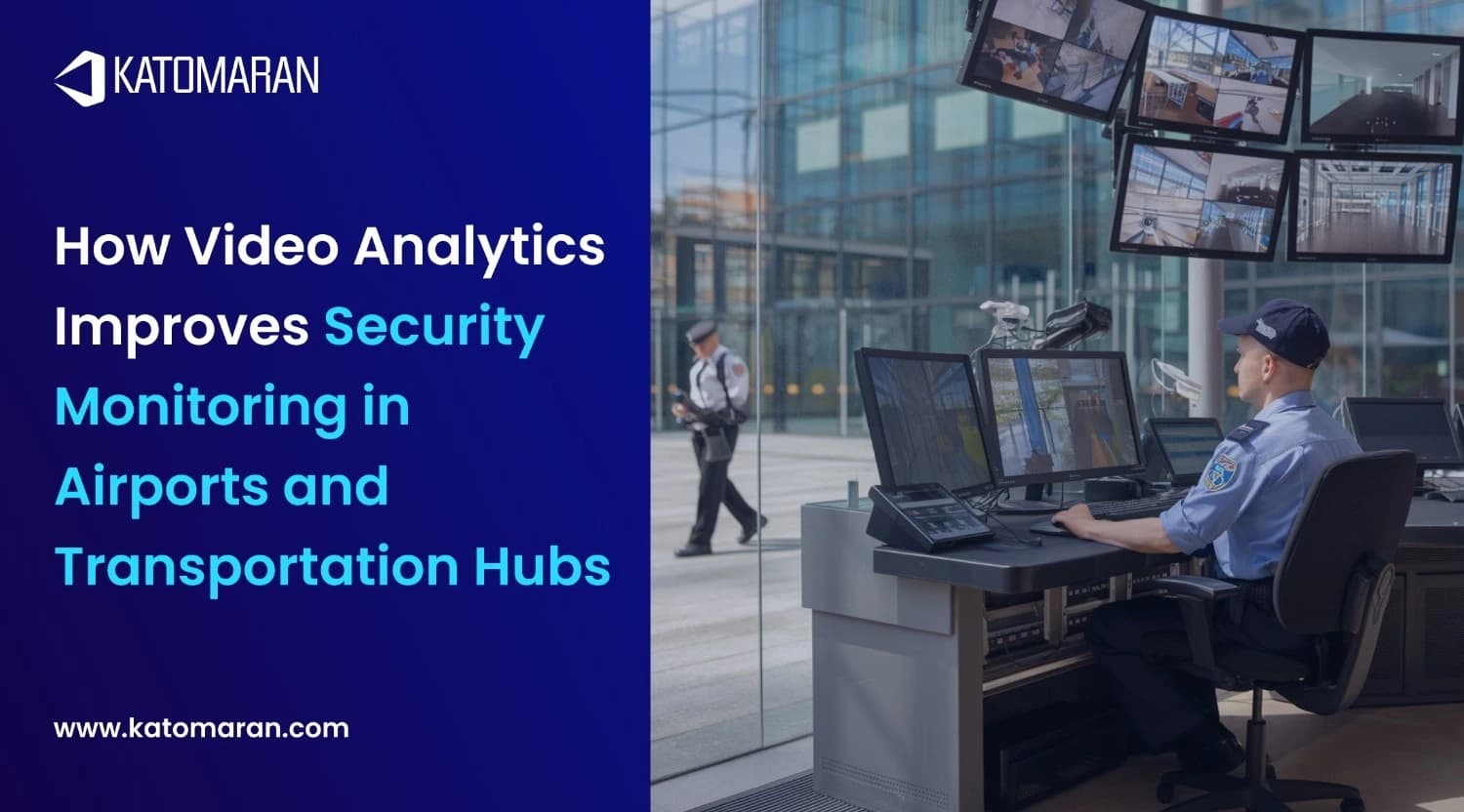
In today’s fast-moving world, airports and transportation hubs like metro stations and rail terminals are more than travel gateways — they’re high-traffic ecosystems where safety, efficiency, and reliability must operate seamlessly. With thousands of passengers, vehicles, and cargo movements each day, maintaining security in such spaces is a growing challenge.

In a world where agility and accessibility define success, Mobile VSaaS Apps are transforming how organizations secure their assets and operations. From small and medium enterprises (SMEs) to large corporations, the ability to monitor, analyze, and respond to security events on the go has become a necessity rather than a luxury.

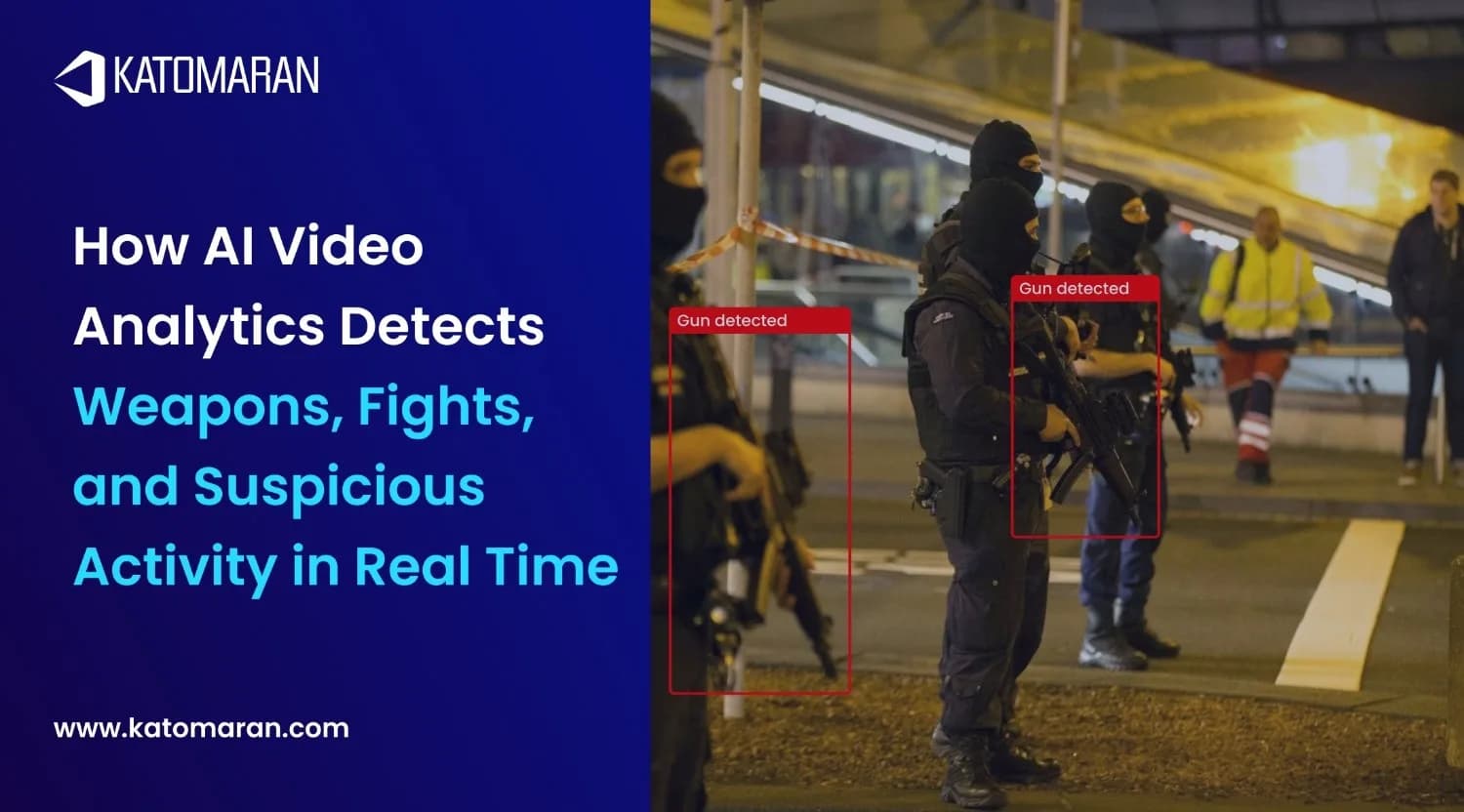
Ensuring safety in today’s world can feel like a constant challenge. Traditional security cameras record footage, but someone still has to watch hours of video, often missing crucial moments. That’s where AI Video Analytics comes in. By combining artificial intelligence with video surveillance, these systems can detect weapons, fights, and suspicious activity in real time, alerting security teams immediately — before a situation gets out of hand.

In an era where digital transformation touches every corner of public safety, Forensic Video Analytics is rapidly emerging as one of the most indispensable tools for security agencies worldwide. From investigating crimes to enhancing real-time situational awareness, this technology has redefined how surveillance investigation data is processed, interpreted, and utilized for decision-making.
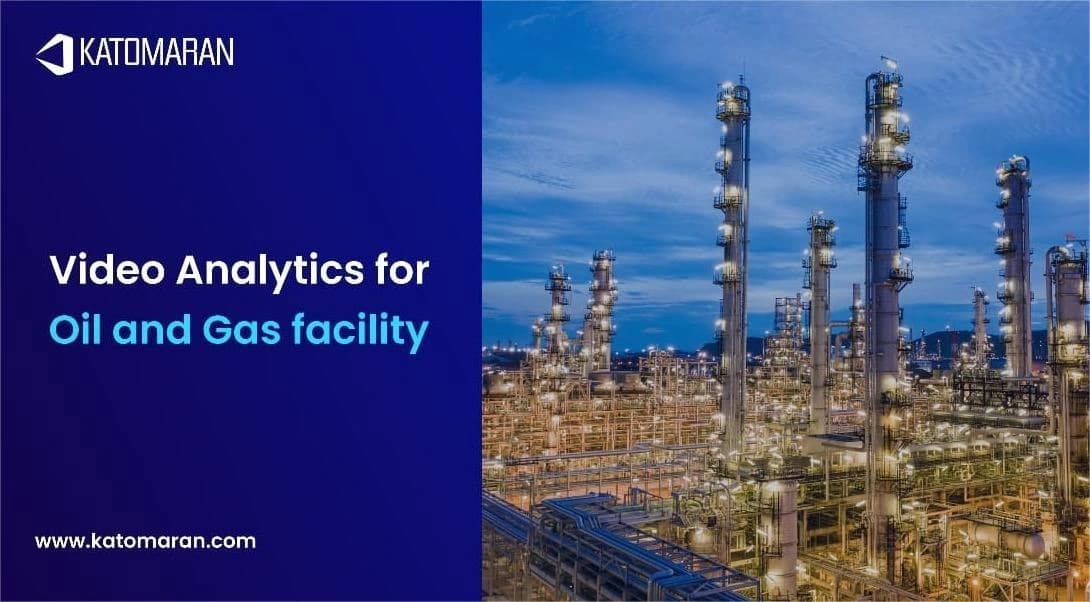
Operational security, safety, and efficiency are not negotiable in the oil and gas industry. With facilities scattered in remote and high-risk areas, conventional surveillance systems are no longer sufficient. This is where Video Analytics for Oil and Gas Facility operations comes in — transforming raw video feeds into real-time, actionable intelligence.

With mobile phone usage surging to new heights, apps are the new store for businesses. Yet, not all apps are equal. While ready-made applications might look appealing, such applications usually don't match the specific needs of contemporary companies. This is why businesses are opting for custom mobile apps — solutions made with special objectives, workflows, and audiences in view.