Introduction
Air travel today is faster and more interconnected than ever. With growing passenger volumes, airports face constant pressure to move travelers efficiently without compromising safety. Long queues, repeated document checks, and manual verification processes often create delays that affect both passenger experience and operational performance.
This is where FRS in airports is transforming aviation. By combining biometric identification with intelligent systems, airports are redefining how travelers move through terminals while strengthening security screening at every stage.
Understanding FRS in Airports
Facial Recognition Systems (FRS) use advanced biometric algorithms to verify or identify individuals based on facial features captured through cameras. Instead of repeatedly showing passports and boarding passes, passengers authenticate using their face as a digital identity.
In airport environments, this means faster checkpoints, reduced manual intervention, and seamless movement across multiple touchpoints. From check-in to boarding, biometric authentication replaces traditional identity validation methods.
1. How FRS Improves Passenger Flow
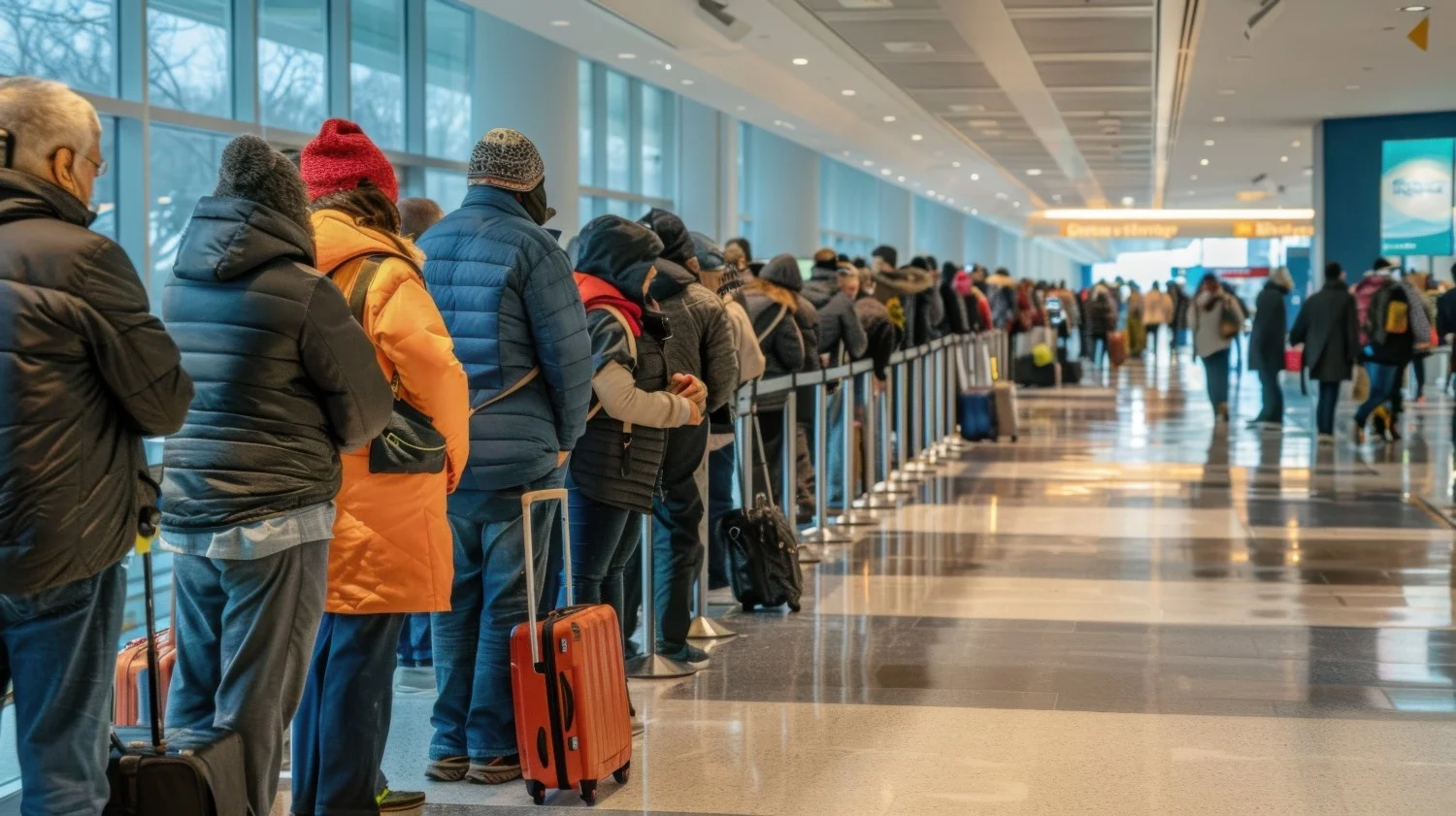
Passenger flow refers to how efficiently travelers move through an airport — from entry gates to boarding areas. Traditional processes involve multiple verification stops: check-in counters, baggage drop, immigration, security clearance, and boarding gates.
With biometric passenger verification, airports can streamline these steps through:
Automated check-in kiosks
Self-service baggage drop
Biometric-enabled immigration gates
Facial recognition boarding systems
Instead of verifying documents at every stage, passengers enroll once and move continuously through the airport.
This significantly improves passenger flow management, particularly during peak hours when congestion can quickly escalate.
2. Reducing Operational Bottlenecks
Airports operate like interconnected systems. A delay at security or immigration can ripple across the entire terminal. One of the strongest advantages of FRS in airports is eliminating repetitive identity checks that traditionally slow movement.
By adopting a “verify once, move seamlessly” approach, airports can:
Shorten identity confirmation from minutes to seconds
Reduce congestion in high-traffic zones
Decrease reliance on manual inspection
Improve predictability in passenger movement
Rather than expanding physical infrastructure, airports improve throughput using smarter technology.
3. FRS and Risk-Based Security Screening
Modern aviation security is shifting toward intelligence-driven models. Instead of applying uniform scrutiny to every traveler, airports increasingly rely on risk-based strategies.
Facial recognition technology in aviation supports this approach by enabling real-time identity monitoring linked to security databases.
This allows airports to:
Instantly detect flagged individuals
Allow verified low-risk passengers to move faster
Reduce unnecessary secondary inspections
Allocate security staff more effectively
By strengthening identity validation, FRS enhances security screening efficiency without slowing operatio
4. Improving the Passenger Experience
For many travelers, airports are associated with stress — long lines, repeated checks, and uncertainty. When deployed responsibly, FRS in airports transforms this experience into a smoother journey.
Passengers benefit from:
Shorter waiting times
Contactless identity verification
Reduced physical document handling
Faster boarding procedures
For business travelers and frequent flyers, time savings are especially valuable. A seamless airport experience improves satisfaction and strengthens airline loyalty.
5. Operational and Cost Efficiency
Although implementing biometric systems requires investment, long-term gains often justify the cost. Automation reduces the need for repetitive manual verification and improves overall efficiency.
Airports can benefit from:
Lower manpower dependency at checkpoints
Reduced administrative overhead
Faster aircraft turnaround times
Fewer human verification errors
In large international hubs, even saving seconds per passenger results in significant operational gains. FRS in airports supports scalable growth without proportionally increasing staffing costs.
6. Strengthening Security Without Increasing Friction
A common belief is that tighter security inevitably slows movement. However, facial recognition systems demonstrate that security and speed can coexist.
When integrated with surveillance and access control systems, FRS helps:
Prevent identity fraud
Detect unauthorized access attempts
Monitor restricted areas
Ensure only verified passengers enter secure zones
Security becomes proactive rather than reactive, strengthening airport defenses while maintaining smooth passenger flow.
7. Building a Smart Airport Ecosystem
FRS performs best when integrated into a broader smart airport infrastructure. Modern airports increasingly combine:
AI-powered video analytics
Real-time surveillance systems
Access control technologies
Passenger movement analytics
When these systems work together, airports gain actionable insights. For example, crowd analytics can prompt opening additional lanes, while movement data can help optimize staffing levels.
This integrated approach ensures that passenger flow optimization and security screening enhancement operate in alignment.
8. Privacy and Responsible Implementation
Biometric systems must be implemented responsibly. Since facial data is sensitive, airports must prioritize:
Strong data encryption
Transparent consent mechanisms
Limited data retention policies
Compliance with data protection regulations
Clear communication with passengers builds trust. Responsible deployment ensures that innovation enhances both security and privacy.
The Strategic Role of FRS in Modern Aviation
As global air travel continues to grow, expanding physical infrastructure alone is not a sustainable solution. Intelligent automation offers a more scalable path forward.
By improving passenger flow, enhancing security screening, and enabling real-time operational insights, FRS becomes a strategic asset rather than just a technology upgrade.
Airports adopting biometric ecosystems position themselves as efficient, secure, and future-ready.
Conclusion
In today’s fast-paced world, airports are more than just transit hubs—they are critical nodes of national security, operational efficiency, and passenger experience. As passenger volumes continue to grow and security threats evolve, airports must adopt advanced technologies to manage crowds, streamline processes, and ensure safety. This is where Facial Recognition Systems (FRS) play a transformative role.
By leveraging AI-powered biometric verification, FRS transforms airport security from a reactive, manual process into a proactive, automated system. From enhancing border control and baggage screening to improving passenger flow and reducing wait times, FRS addresses the core challenges of modern aviation.
At Katomaran Technologies, we specialize in developing intelligent surveillance and security solutions tailored for complex environments like airports. Our expertise in AI, computer vision, and scalable infrastructure enables us to deliver FRS solutions that enhance security, improve operational efficiency, and create a seamless travel experience for passengers.
Optimize passenger movement
Strengthen layered security screening
Monitor restricted zones proactively
Generate actionable operational insights
With Katomaran’s intelligent solutions, airports can build a connected, secure, and future-ready ecosystem.

Kavinpradeep
Digital Marketer
Kavinpradeep is a Digital Marketer at Katomaran Technologies, creating content on AI video analytics, VMS, IoT, and intelligent surveillance technologies for real-world use.