1. Introduction
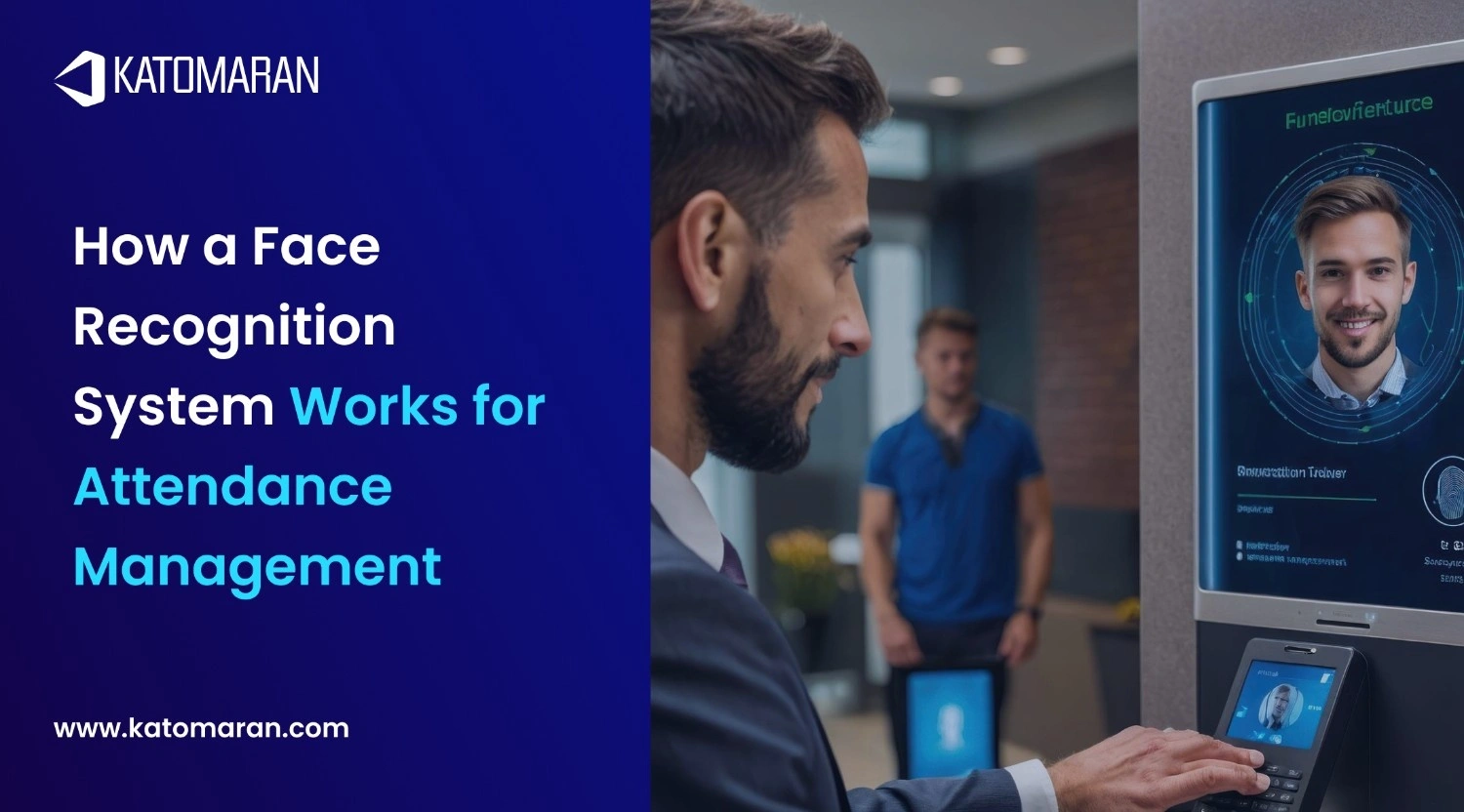
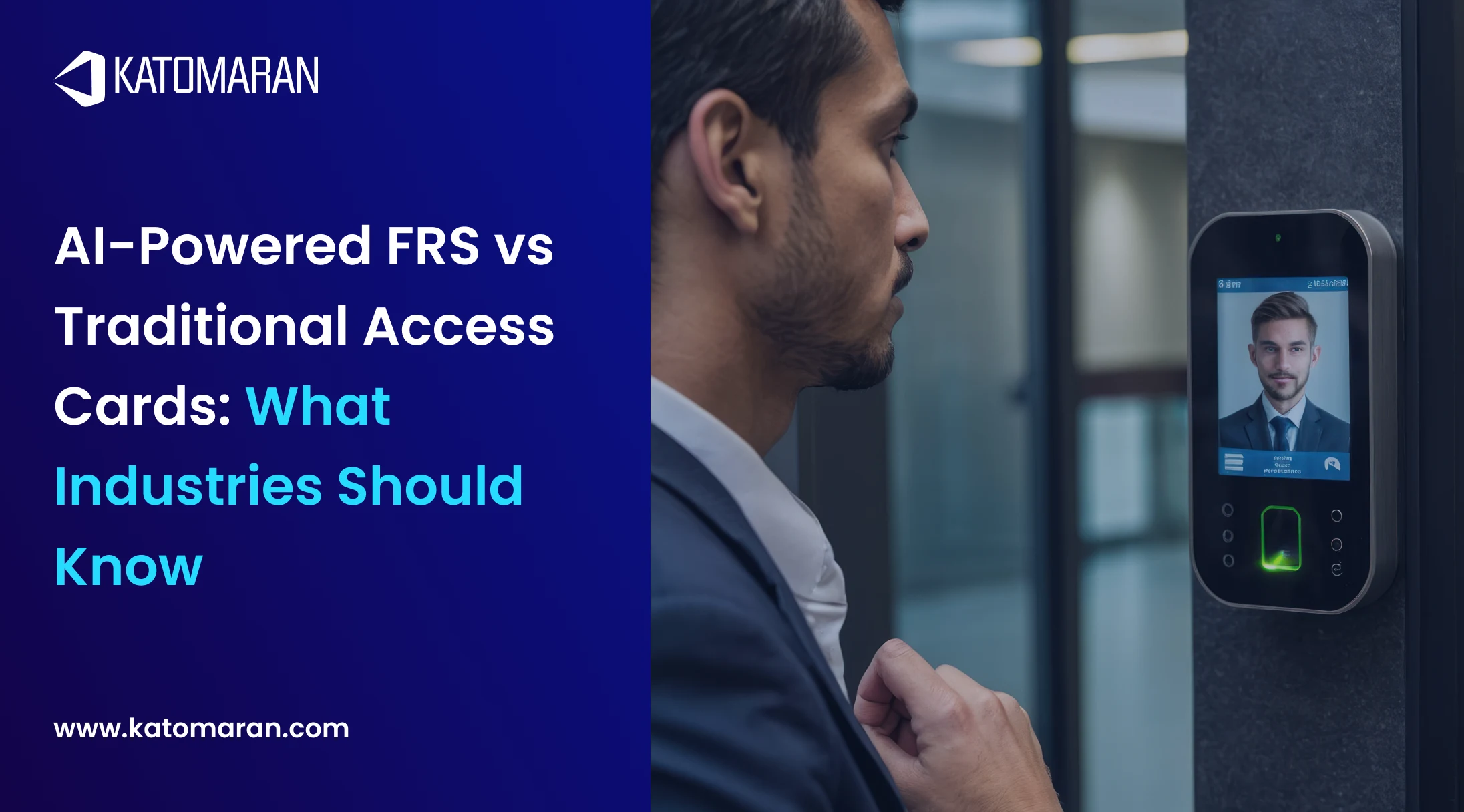
Face Recognition Systems are now widely used in offices, factories, campuses, and secure facilities for both access control and attendance management. They offer a fast, contactless, and user-friendly way to verify identity. But as adoption increases, so does the risk of misuse.
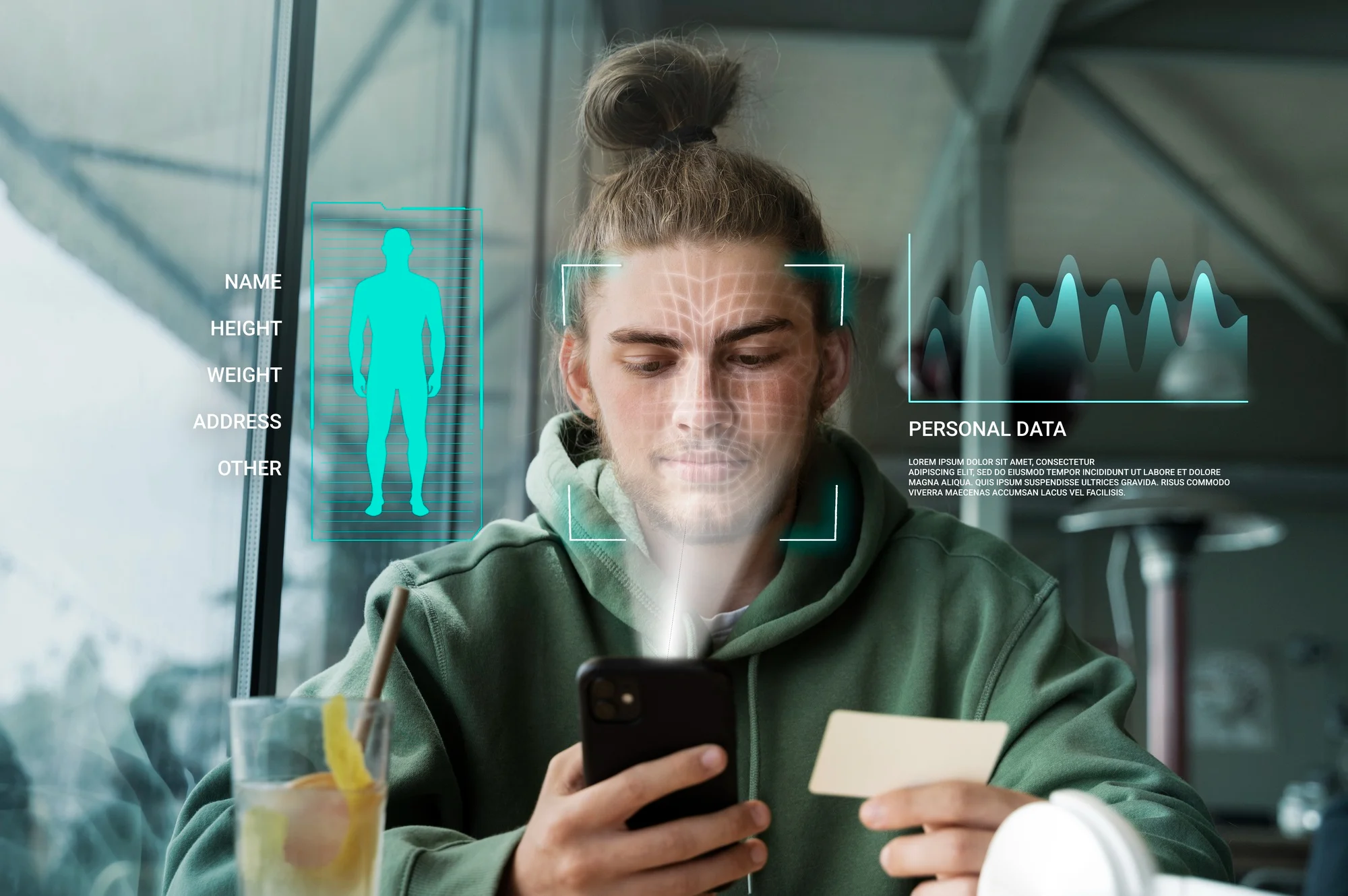
One of the biggest challenges in facial recognition is spoofing. A system that only matches a face image may be tricked by a printed photo, a video played on a mobile screen, or another fake facial presentation. In access and attendance environments, this can lead to unauthorized entry, proxy attendance, and reduced trust in the system.
This is where face liveness detection becomes important. It adds an extra layer of security by helping the system confirm that the face presented belongs to a real, live person standing in front of the camera.
2. What Is Face Liveness in FRS?
Face liveness in FRS is a security feature that checks whether the detected face is live and physically present, instead of being a fake image or replay attempt. In simple terms, it helps the system answer one important question: is this a real person or a spoofing attempt?
Traditional face recognition focuses on identifying or matching a face. Liveness detection goes one step further by validating authenticity before access is granted or attendance is marked.
This makes face liveness a critical part of modern biometric systems, especially in environments where identity fraud can create security or operational problems.
3. Why Spoofing Is a Risk in Access and Attendance Systems
Spoofing is a serious concern because access control and attendance systems directly affect security, accountability, and workforce tracking. If an attacker or employee can fool the system with a fake face input, the entire purpose of biometric verification is weakened.
In access control, spoofing can allow unauthorized individuals to enter restricted rooms, gates, offices, or sensitive operational areas. In attendance systems, it can enable proxy check-ins, buddy punching, and false time records.
These risks become more important in organizations with:
Restricted entry zones
Shift-based staff attendance
Large workforce movement
Sensitive assets or confidential data
Compliance-driven monitoring requirements
Without liveness detection, even a face-based system can become vulnerable to simple bypass methods.
4. Common Face Spoofing Methods
There are several ways fraudsters or unauthorized users may attempt to trick a facial recognition system.
Printed Photo Attack
A person may show a printed image of an authorized employee in front of the camera to try to gain access or mark attendance.
Mobile Screen Replay
A video or image displayed on a phone, tablet, or laptop screen may be used to imitate a real face.
Mask or 3D Presentation Attack
In some cases, physical masks or realistic facial models may be used to deceive weak facial recognition systems.
Proxy Attendance Attempt
An employee may try to mark attendance on behalf of someone else using their face image or recorded video.
These spoofing methods show why face matching alone is not enough for secure access and attendance applications.
5. How Face Liveness Detection Helps
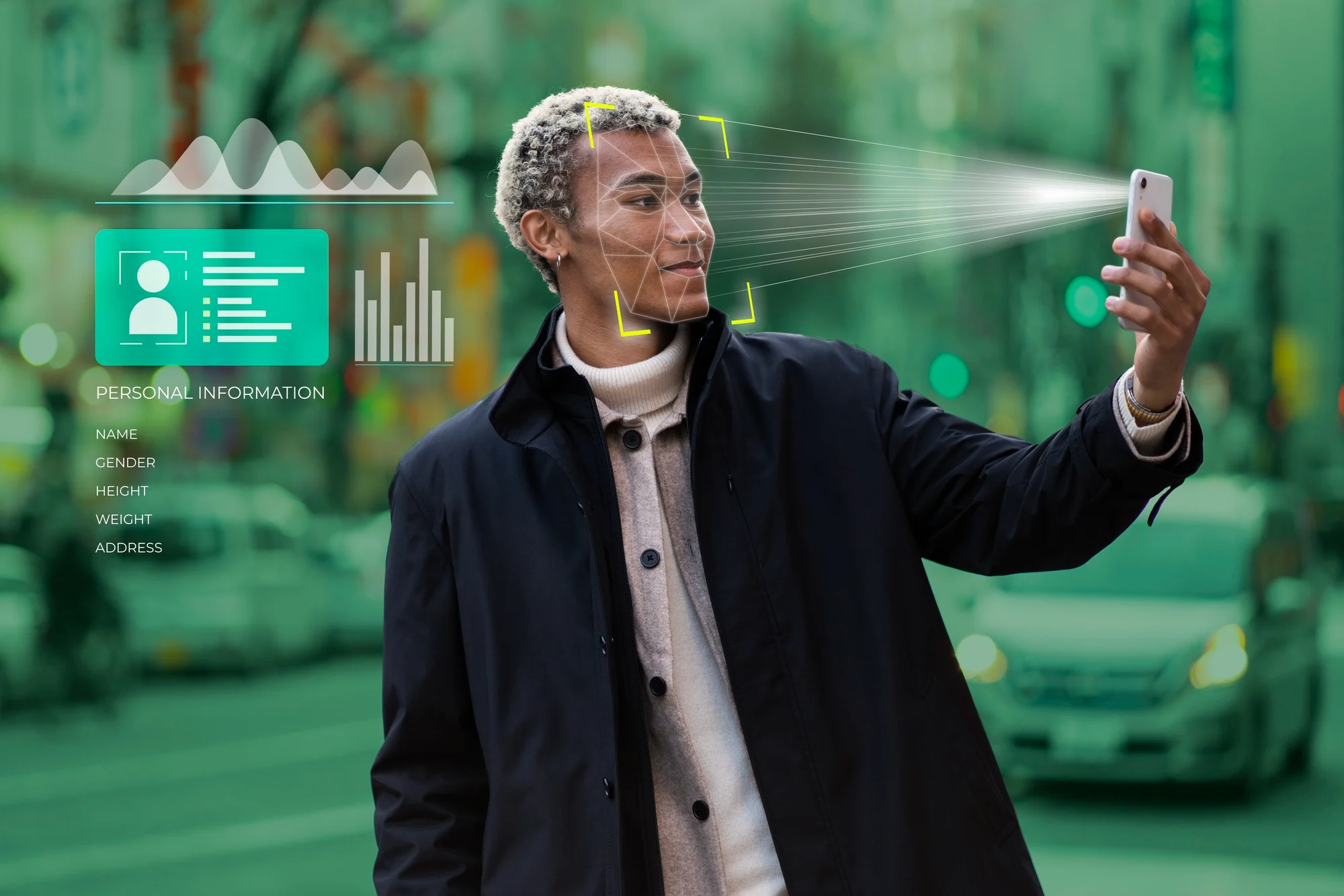
Face liveness detection helps prevent spoofing by analyzing whether the detected face behaves like a real human face in a real environment. Instead of relying only on image similarity, it checks for signs of genuine presence.
Depending on the system design, liveness detection may evaluate:
Natural facial movements
Eye blink patterns
Depth and facial contour details
Skin texture consistency
Light reflection behavior
Real-time response to camera capture
This allows the system to identify differences between a live human face and a static photo, replayed video, or fake representation. In practical use, face liveness acts as a verification layer before identity confirmation. Only when the person is confirmed to be live does the system proceed with access approval or attendance logging. This significantly reduces fraud opportunities and improves reliability.
6. Benefits of Face Liveness in FRS
Adding face liveness to an FRS offers both security and operational benefits.
Stronger Access Protection: It reduces the chance of fake entry attempts using photos, videos, or other spoofing methods.
Accurate Attendance Records: It ensures that attendance is marked only by real, present employees, improving HR reliability and reducing proxy attendance issues.
Better Trust in Biometric Systems: Organizations gain more confidence in using face recognition when it includes anti-spoofing capabilities.
Reduced Fraud and Misuse: Liveness detection helps prevent identity misuse in daily operations.
Improved Compliance and Accountability: For sectors that need secure records and controlled access, face liveness supports stronger monitoring and verification.
Contactless but Secure Authentication: It keeps the user experience fast and touch-free while improving protection against manipulation.
In short, face liveness makes face recognition more practical for real-world deployment.
7. Use Cases in Access Control and Attendance
Face liveness can improve performance in many real business environments where security and attendance accuracy matter.
Office Entry Systems
Organizations can use it to ensure only authorized staff enter workspaces, meeting areas, and secured departments.
Factory and Industrial Access
Restricted production areas, control rooms, and high-risk zones can be protected from fake identity attempts.
Employee Attendance Management
Attendance systems become more reliable by blocking proxy check-ins and false presence marking.
Warehouses and Logistics Sites
Large workforce operations can use face liveness to improve gate entry security and attendance discipline.
Educational Institutions
Schools and colleges can apply it for staff and student verification in controlled environments.
Healthcare and Sensitive Facilities
Hospitals, labs, and secure departments can use liveness-enabled FRS to strengthen controlled access.
In all these cases, the value is the same: verify that the person is real before trusting the identity.
8. Conclusion
Face recognition is powerful, but face recognition alone is not enough for secure access and attendance systems. When spoofing attempts are possible, organizations need more than identity matching. They need proof of live presence.
Face liveness in FRS adds that protection. It helps block fake check-ins, prevents unauthorized access, and improves trust in biometric verification. For businesses that want secure, reliable, and contactless identity validation, liveness detection is becoming an essential feature rather than an optional add-on.
As access control and attendance systems continue to evolve, face liveness will play a key role in making them smarter, safer, and more dependable.

Dinesh Kumar
SEO Analyst
Dinesh Kumar is an SEO Analyst at Katomaran Technologies, writing search-optimized content on AI video analytics, VMS, intelligent surveillance, and IoT-driven technology solutions.