Introduction
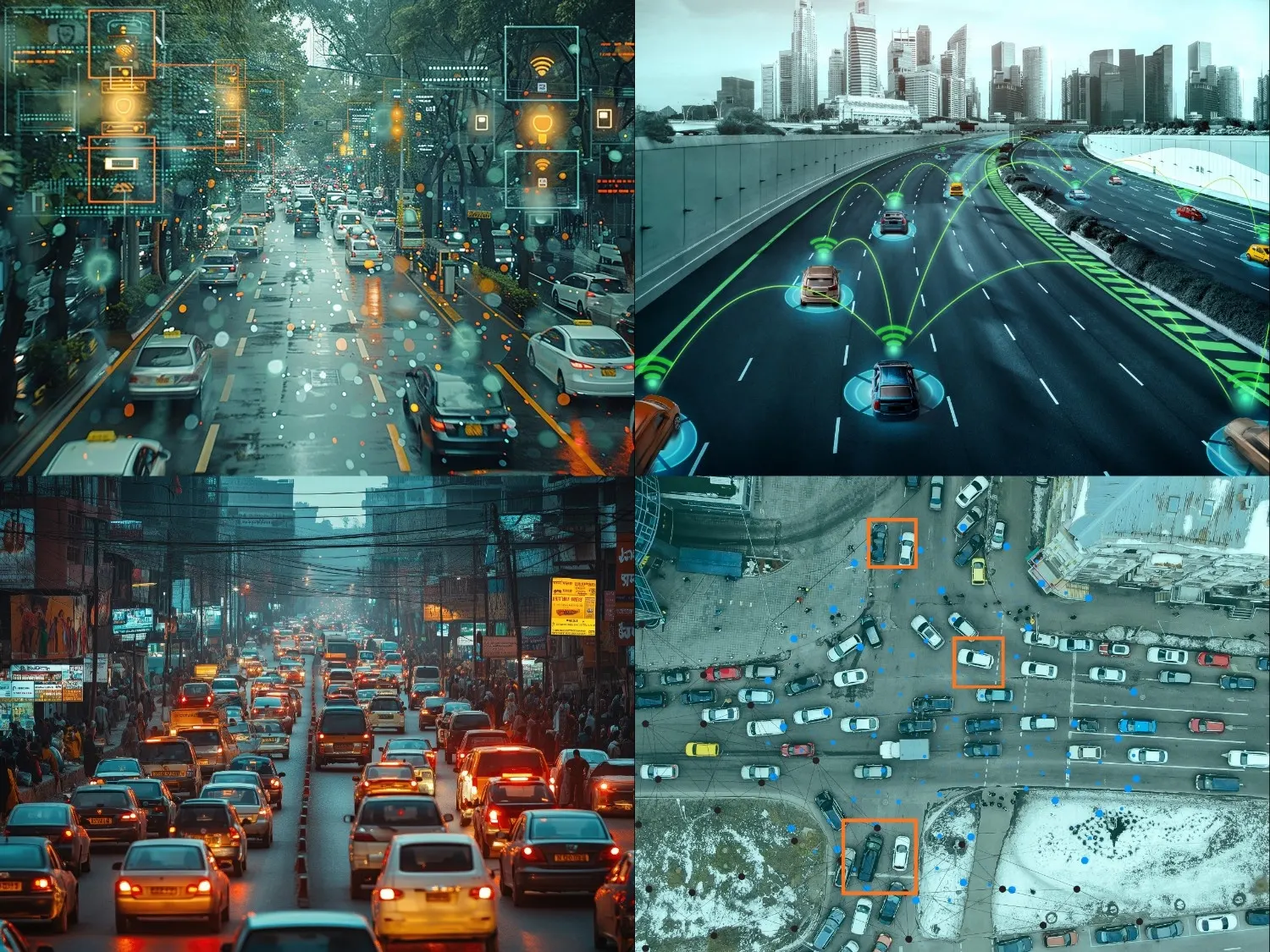
Peak-hour congestion is one of the most persistent challenges in urban traffic management. Morning and evening rush hours compress large volumes of movement into short time windows, overwhelming city road networks. Office commutes, school traffic, public transport schedules, and commercial activity converge simultaneously, creating intense pressure on intersections and arterial roads.
Traditional traffic systems, built on fixed signal timings and manual observation, struggle to respond to these rapid fluctuations. Intelligent Traffic Management Systems (ITMS), powered by Artificial Intelligence, provide cities with the ability to manage peak-hour congestion dynamically, using real-time data and adaptive control.
Why Peak Hours Are Hard to Manage in Cities
Urban peak hours are not uniform. Traffic demand varies by location, direction, and time, even within the same hour. A residential area may experience outbound congestion in the morning, while business districts see inbound surges. In the evening, these patterns reverse.
Additional factors complicate peak-hour traffic:
Closely spaced intersections that limit traffic dissipation
Mixed traffic including buses, two-wheelers, pedestrians, and private vehicles
On-street parking and roadside activity reducing effective road width
Minor incidents that quickly escalate into gridlock
Managing these conditions requires continuous assessment and quick decision-making, which static traffic control systems cannot provide.
Role of AI in Peak-Hour Traffic Management
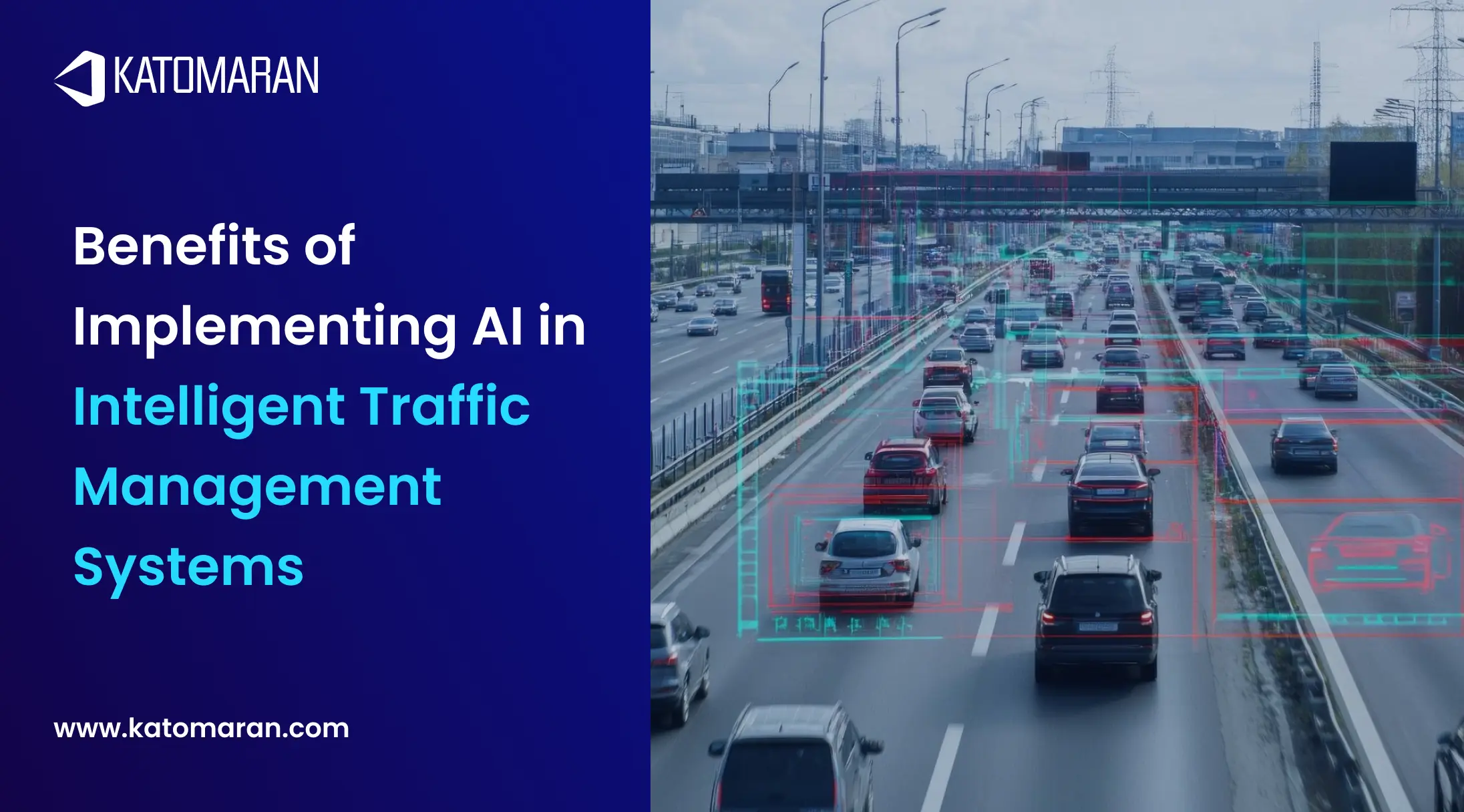
Artificial Intelligence transforms ITMS from a monitoring tool into a decision-support system. AI continuously analyzes live traffic feeds to understand how congestion is forming, where queues are growing, and which intersections are becoming critical.
Instead of relying on predefined traffic plans, AI-driven ITMS adapts in real time. It identifies patterns such as recurring peak-hour bottlenecks, directional overloads, and abnormal congestion caused by incidents. This allows traffic systems to respond proactively rather than react after congestion has already built up.
Adaptive Signal Control During Peak Hours
Traffic signals play a decisive role during peak periods. Fixed signal timings often fail to reflect actual demand, leading to long queues on one approach while green time is wasted on another.
AI-enabled ITMS dynamically adjusts signal phases during peak hours by evaluating:
Queue lengths on each approach
Directional traffic imbalance
Turning movement volumes
Pedestrian crossing demand
By reallocating green time based on real-time conditions, ITMS improves intersection throughput and reduces stop-and-go traffic during the most congested periods of the day.
Managing Corridor-Level Congestion
Peak-hour congestion rarely affects just one intersection. It spreads along corridors, causing spillbacks that block upstream junctions.
ITMS enables coordinated signal control across multiple intersections along key corridors. AI analyzes traffic progression and adjusts signal offsets to maintain smoother vehicle movement. This corridor-level coordination is especially effective in reducing delays during morning and evening rush hours.
By treating corridors as connected systems rather than isolated junctions, ITMS minimizes congestion propagation.
Real-Time Detection of Peak-Hour Disruptions
During peak hours, even small disruptions can have a disproportionate impact. A stalled vehicle, illegal parking, or minor accident can reduce road capacity and trigger cascading congestion.
AI-powered ITMS detects such disruptions in real time using video analytics. Traffic operators receive instant alerts, enabling quick actions such as signal reconfiguration, traffic diversion, or on-ground response.
Early detection and rapid intervention are critical to keeping peak-hour traffic under control.
Balancing Vehicles, Pedestrians, and Public Transport
Peak hours are not only about vehicle volume. Pedestrian movement increases around offices, transit hubs, and schools, while buses operate at high frequency.
AI-driven ITMS helps balance these competing demands. Pedestrian crossing times can be adjusted dynamically based on footfall, while public transport vehicles can receive priority at intersections to maintain schedule reliability.
This balanced management ensures smoother peak-hour movement without compromising safety or accessibility.
Using Peak-Hour Data for Continuous Improvement
AI-enabled ITMS continuously learns from peak-hour traffic behavior. Over time, the system builds a detailed understanding of recurring congestion patterns, seasonal variations, and area-specific demand surges.
Traffic authorities can use this data to:
Refine peak-hour signal strategies
Identify structural bottlenecks
Plan infrastructure improvements
Evaluate the impact of traffic policies
This learning loop allows cities to improve peak-hour performance progressively rather than relying on one-time adjustments.
Scalable Peak-Hour Traffic Management
As cities grow, peak-hour traffic volumes increase and spread across new areas. ITMS supports scalable deployment, allowing authorities to expand coverage to additional intersections and corridors without disrupting existing operations.
Zonal control enables different peak-hour strategies for residential areas, business districts, and mixed-use zones, ensuring localized optimization within a city-wide framework.
Environmental and Quality-of-Life Benefits
Peak-hour congestion is a major contributor to fuel waste, emissions, and commuter stress. By reducing idling time, unnecessary stops, and prolonged delays, AI-driven ITMS contributes to improved air quality and better urban living conditions.
Shorter and more predictable commute times also enhance productivity and overall quality of life for city residents.
Conclusion: AI-Driven Peak-Hour Traffic Control with Katomaran
Managing peak-hour congestion requires intelligence that can adapt as fast as the city moves. AI-powered ITMS enables urban traffic systems to respond dynamically to fluctuating demand, manage intersections and corridors efficiently, and minimize the impact of disruptions during critical hours.
Katomaran Technologies delivers AI-powered video analytics solutions designed to support peak-hour urban traffic control. By leveraging existing camera infrastructure, Katomaran enables real-time congestion monitoring, adaptive signal intelligence, incident detection, and centralized traffic operations. These capabilities help cities manage peak-hour traffic more effectively while improving safety, efficiency, and sustainability.

Kavinpradeep
Digital Marketer
Kavinpradeep is a Digital Marketer at Katomaran Technologies, creating content on AI video analytics, VMS, IoT, and intelligent surveillance technologies for real-world use.