




Adaptive Traffic Control System (ATCS) for Indian Cities
What is an Adaptive Traffic Control System?
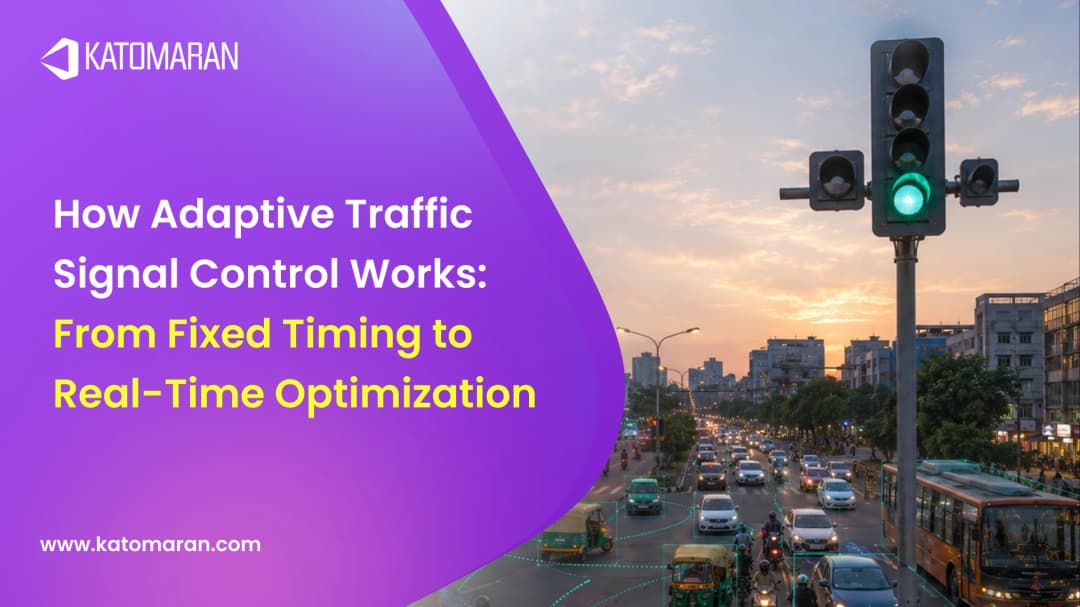
An Adaptive Traffic Control System (ATCS) is a traffic signal management platform that keeps watching road conditions and adjusts signal timings to match real demand.
A conventional fixed-time signal runs the same timings all day, whether the road is jammed or empty. ATCS works differently. It reads live data from vehicle detectors, cameras, and traffic sensors, and uses it to decide how each signal should respond as conditions change.
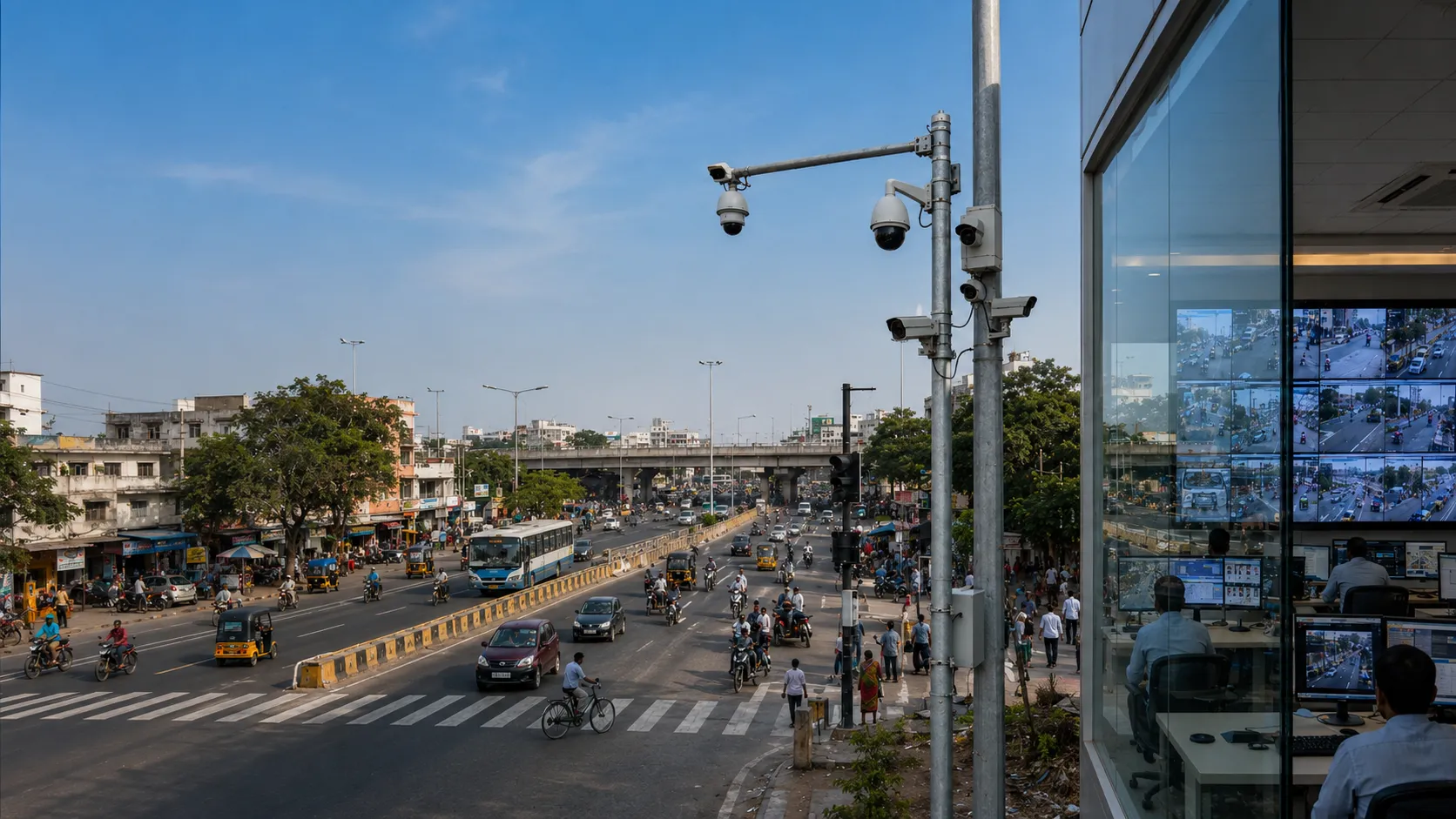
Traffic authorities can watch every junction from one place, fine-tune signal plans, link neighbouring intersections, and keep traffic flowing across busy city road networks.
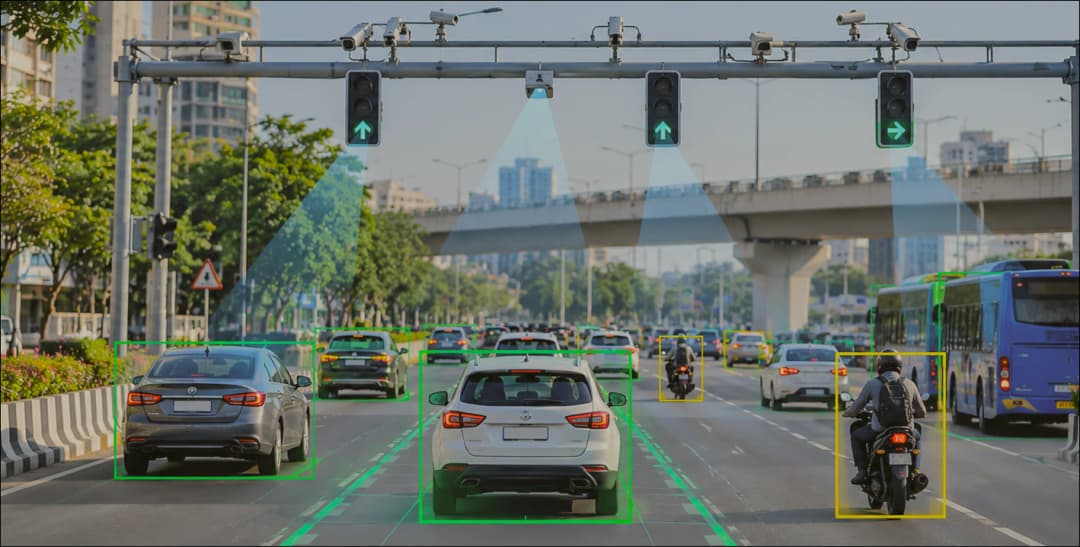
Adaptive Traffic Control System in India
Katomaran Technologies offers a scalable Adaptive Traffic Control System built for the realities of Indian city traffic, from mixed vehicle types and unpredictable peaks to dense, closely spaced junctions. The platform brings real-time traffic detection, adaptive signal control, junction monitoring, corridor coordination, traffic analytics, simulation, and centralized signal management together in one unified system that grows as your network expands.
It tracks vehicle volume, occupancy, queues, traffic demand, and signal status continuously, so signal timings adjust automatically and control decisions are always based on what's happening now. Whether you're tuning a single junction, coordinating a corridor, or managing signals across the whole city, the platform helps traffic authorities act faster, plan smarter, and improve overall road efficiency with better real-time data.
Get in Touch
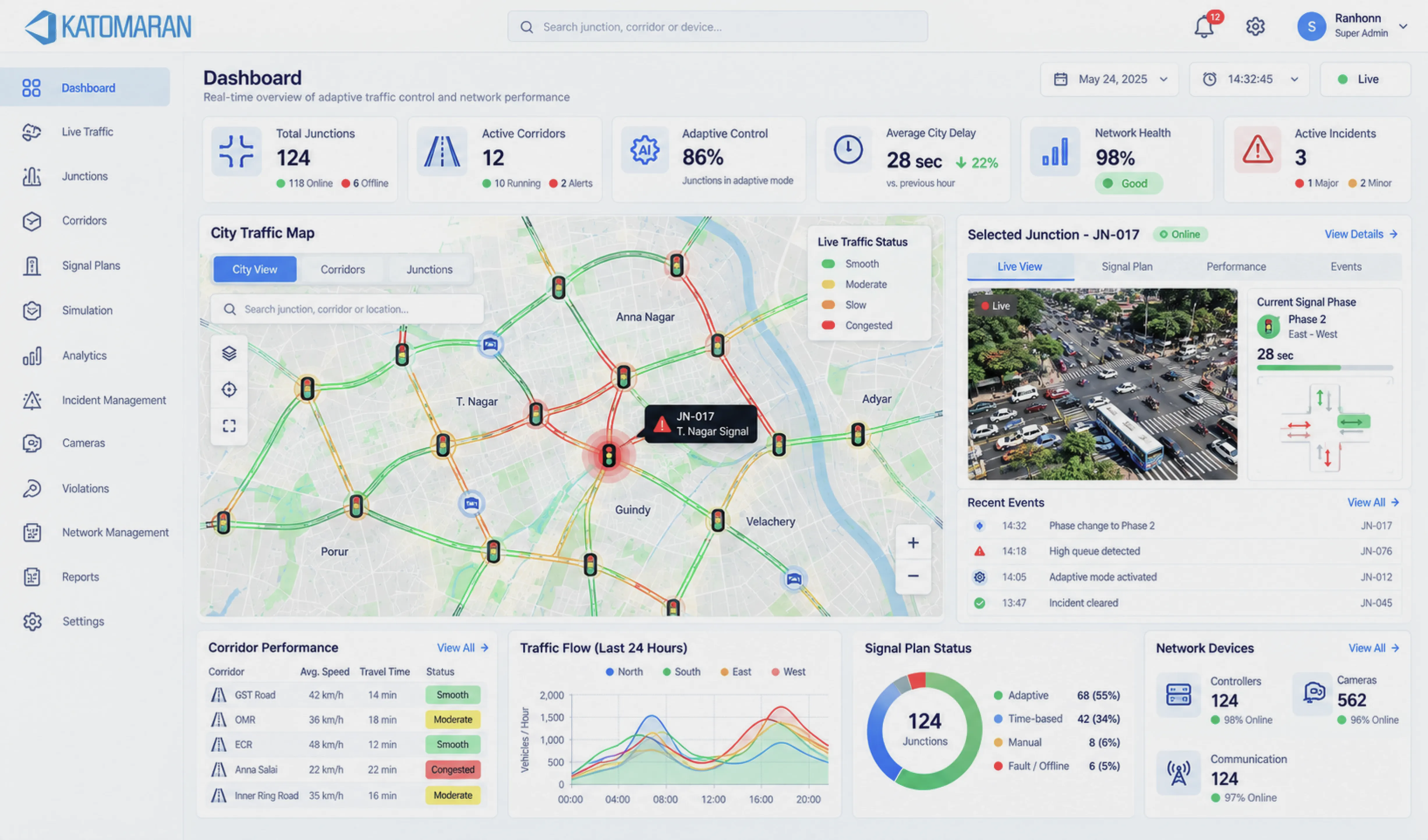
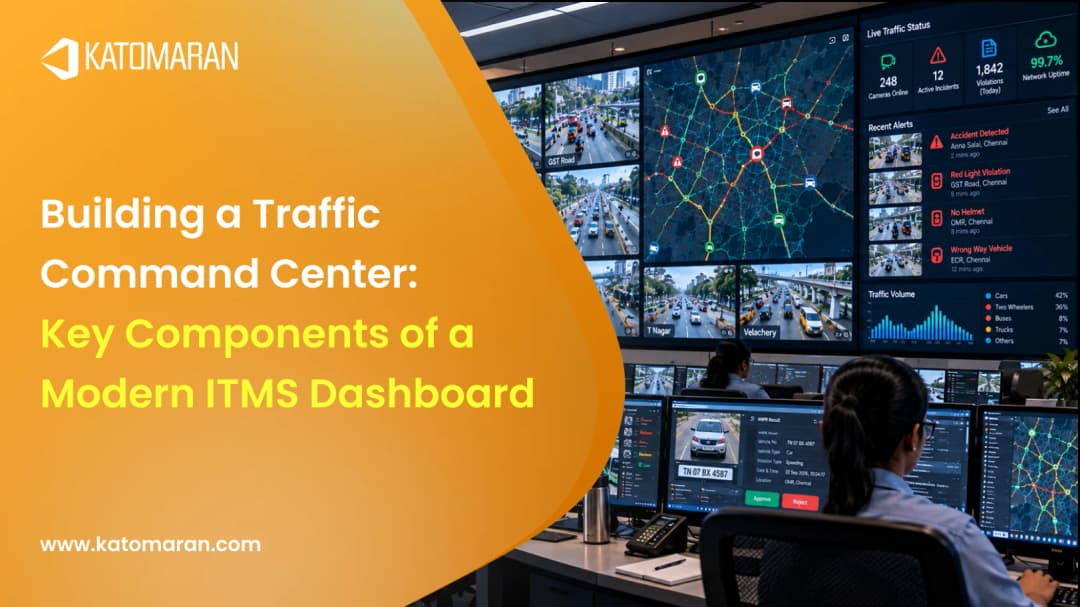
Centralized Traffic Control Center
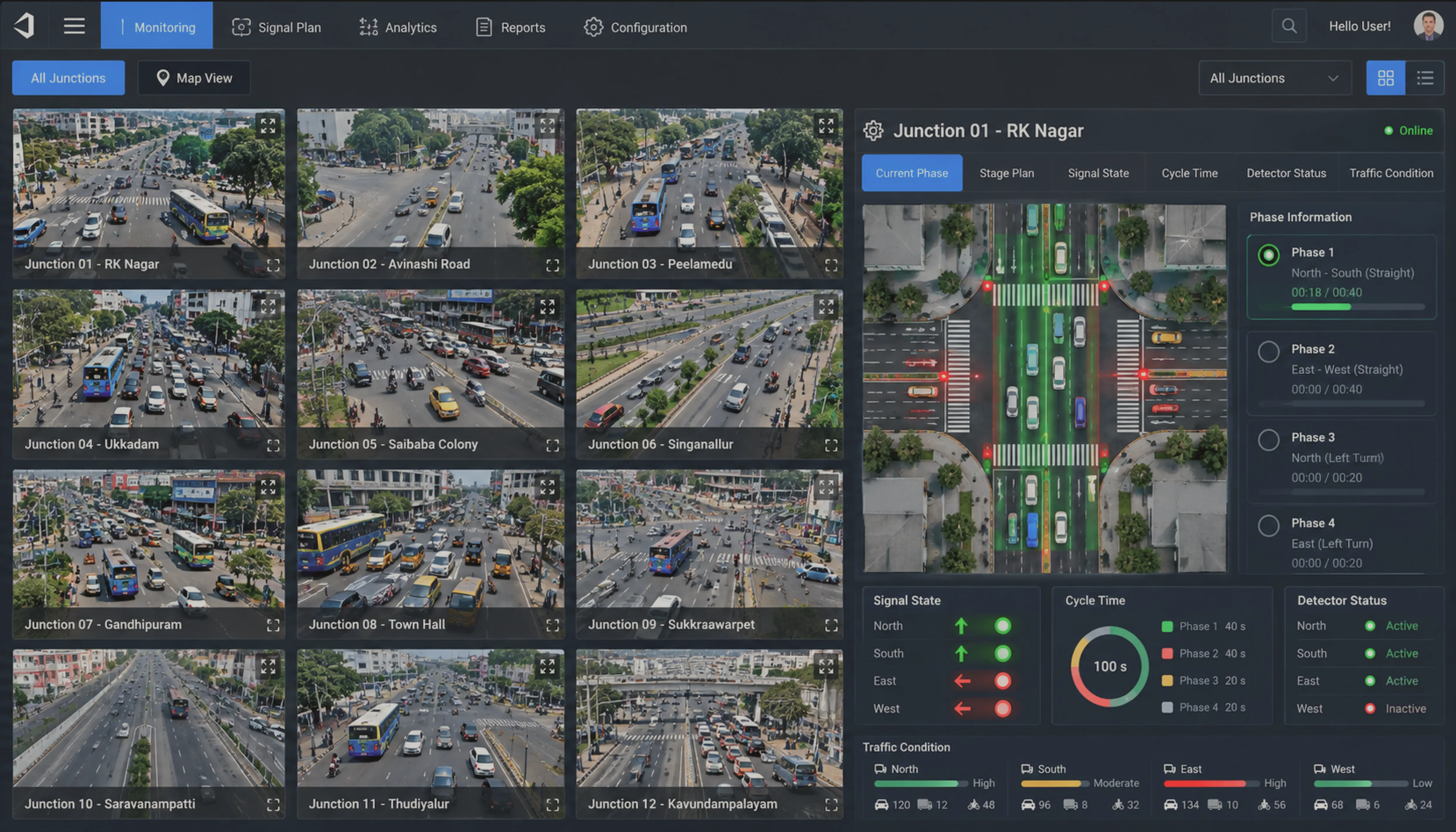
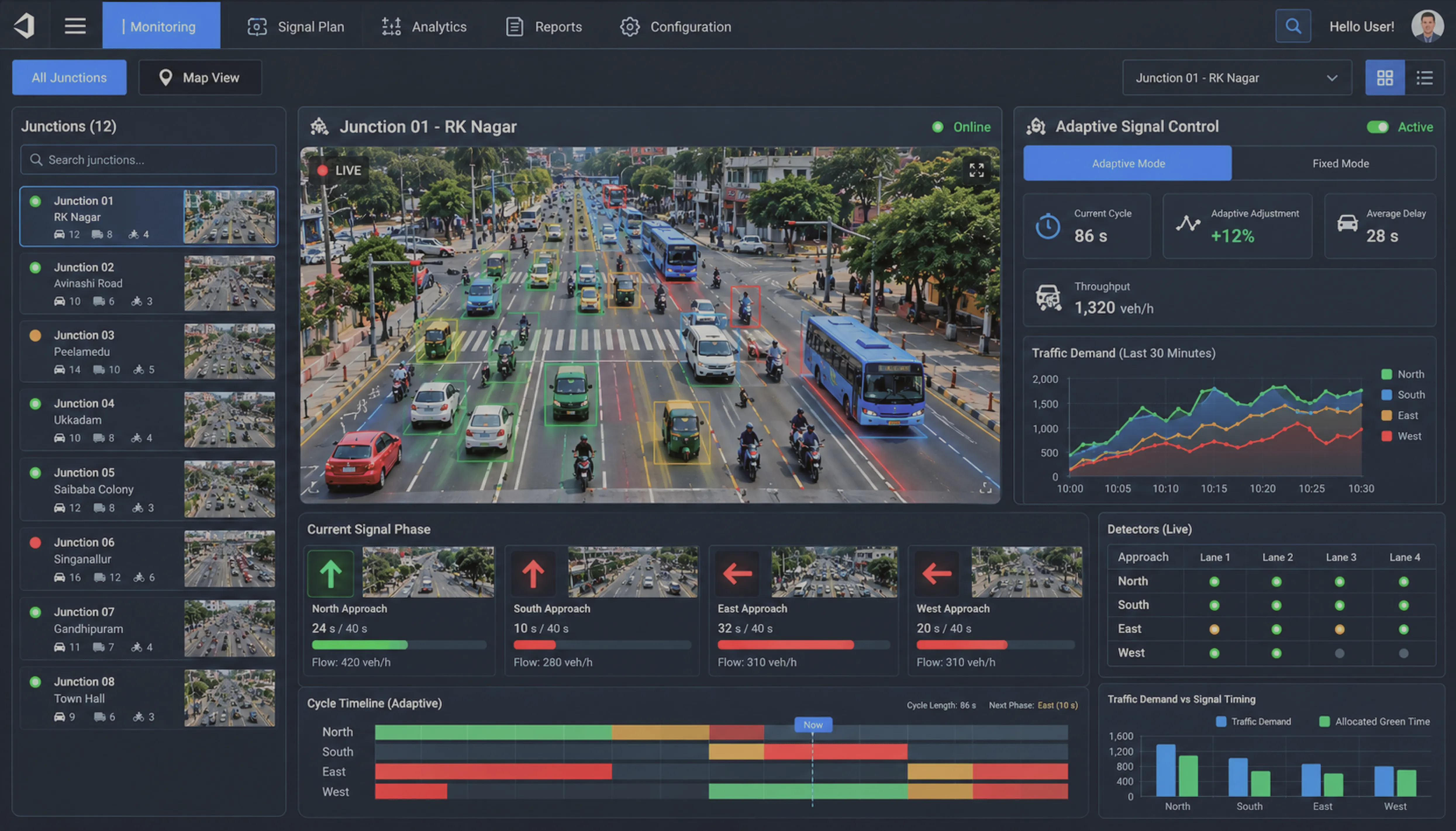
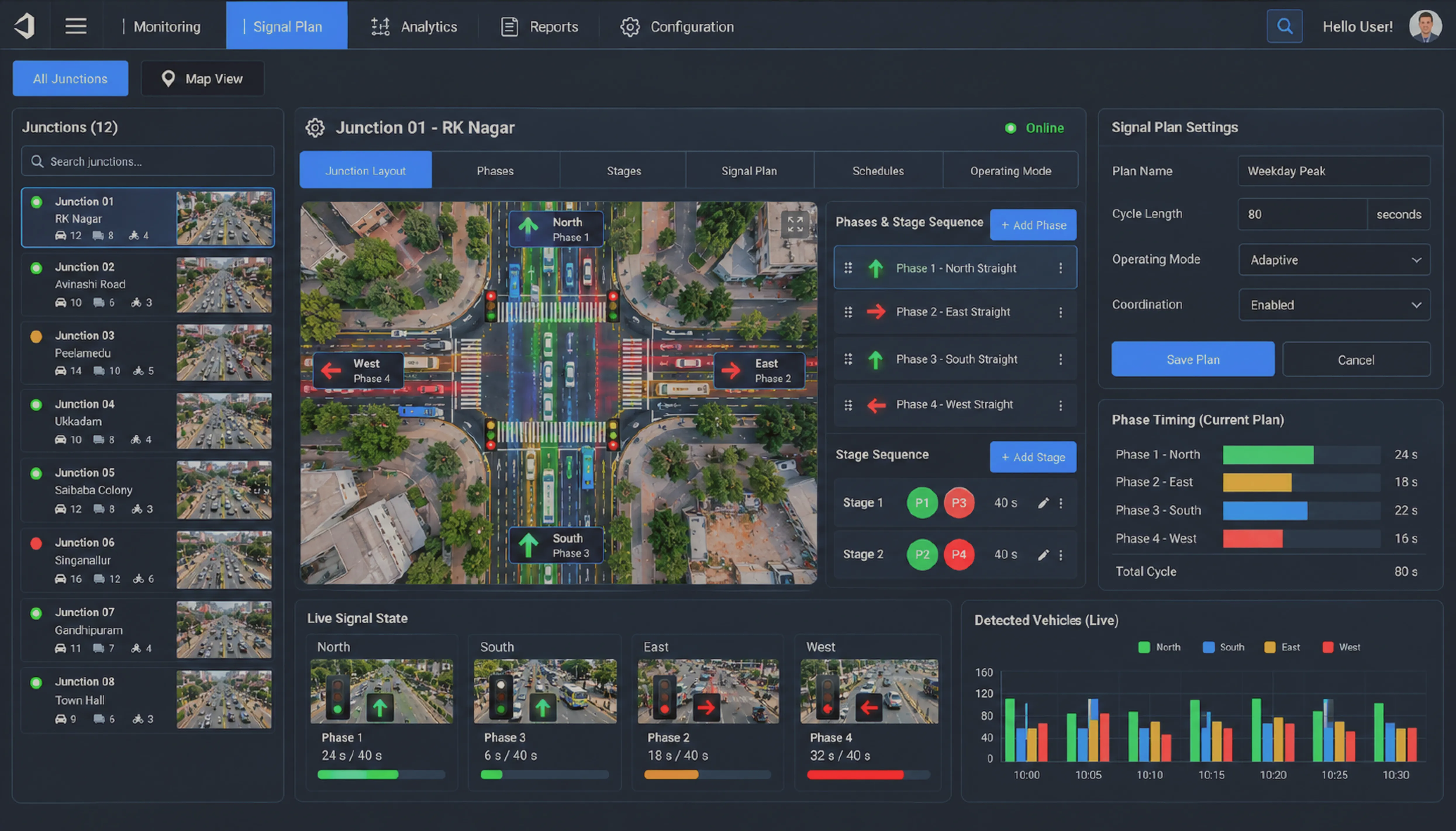
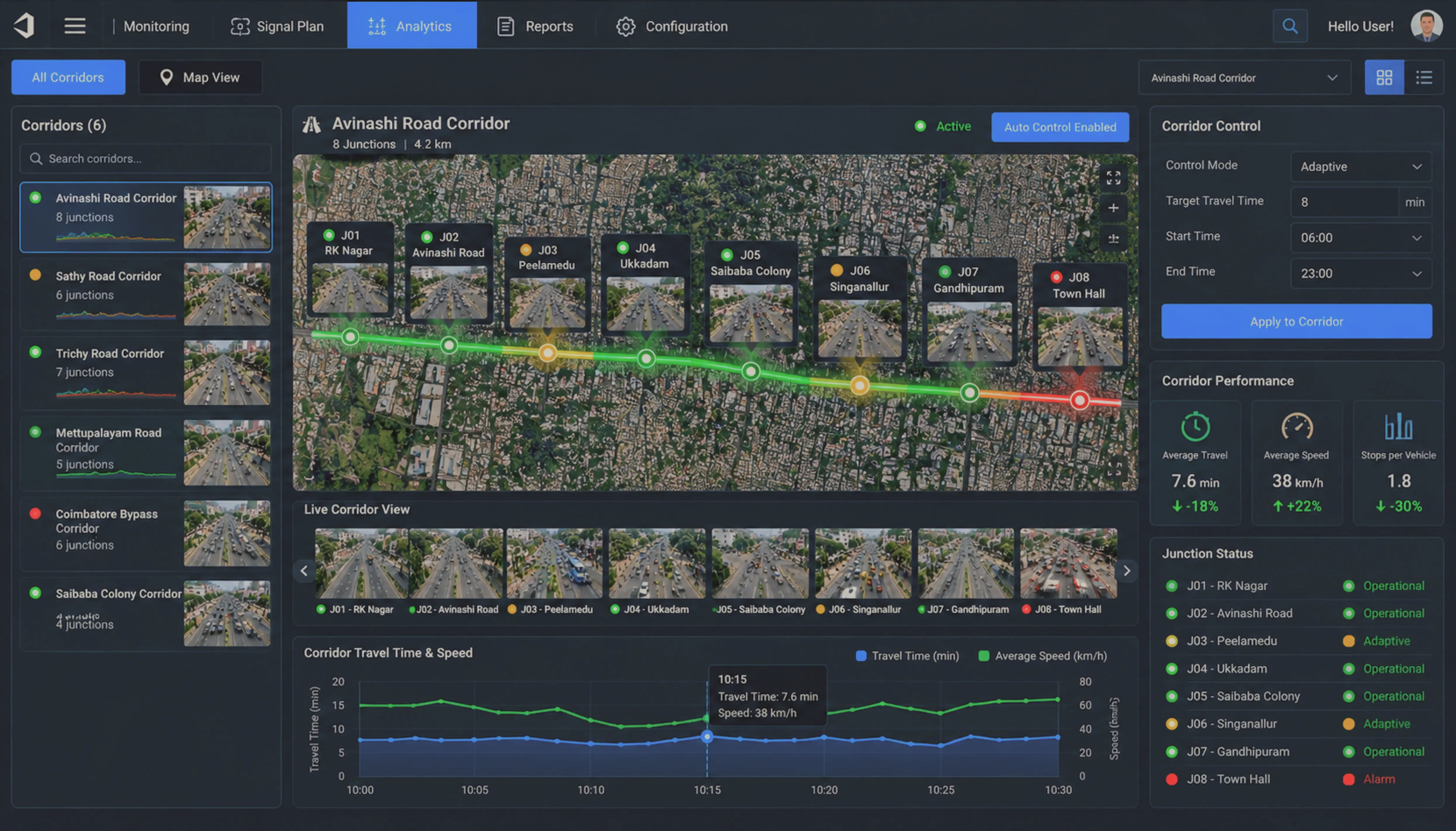
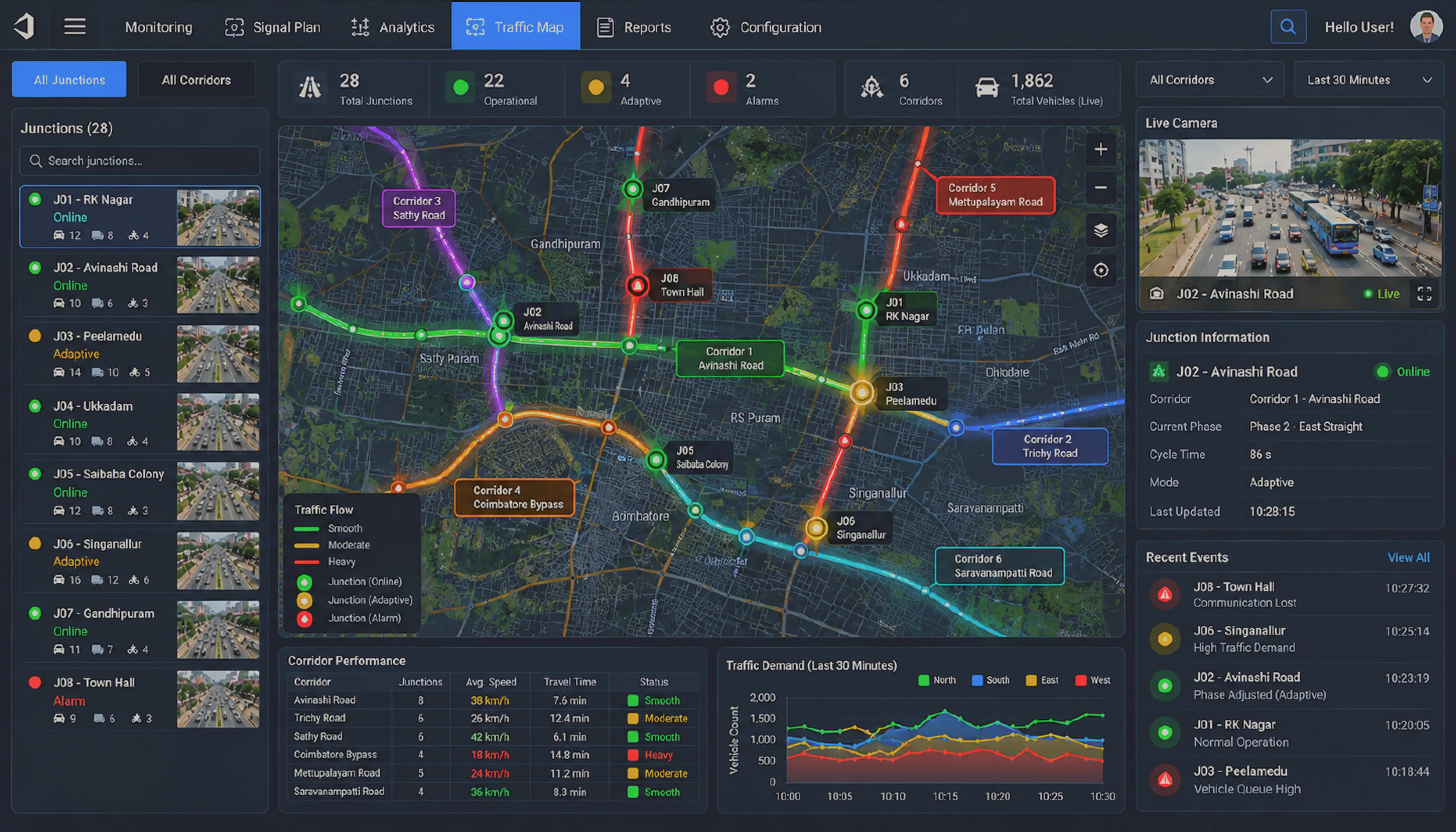
Intelligent Modules That Power ATCS
Adaptive Signal Optimization
Vehicle-Actuated Control
Junction Management
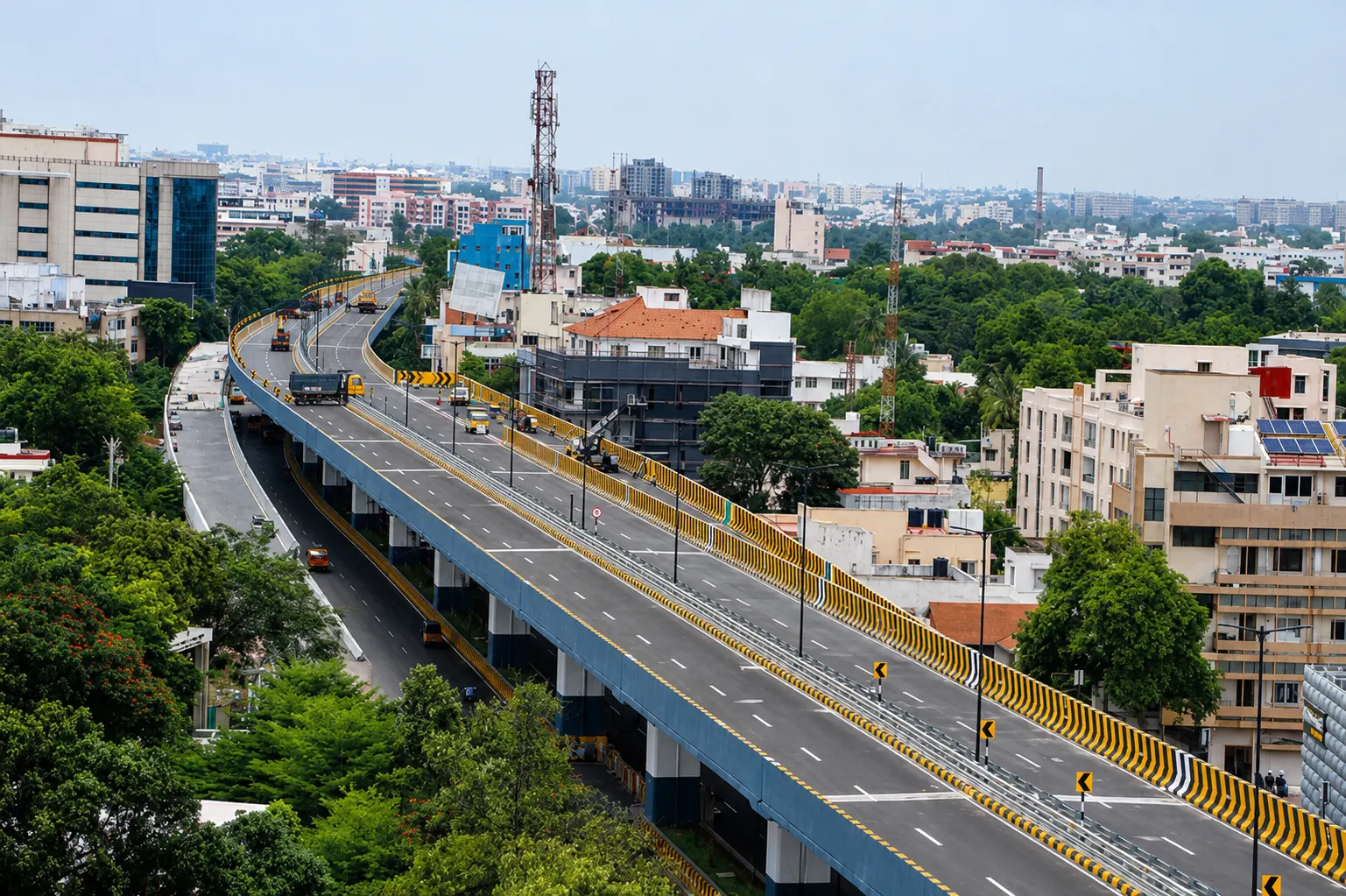
Corridor & Green Wave Management
Traffic Detection & Demand Analysis
Traffic Simulation & Strategy Analysis
Traffic Prediction
Network Management System
How Our Adaptive Traffic Control System Works
Detect Traffic
Detectors, cameras, and sensors capture traffic flow and demand on every approach to the junction, all the time.
Analyze Conditions
The platform reviews vehicle volume, occupancy, queues, traffic patterns, signal status, and historical data.
Determine Signal Strategy
Based on current conditions, the adaptive control engine decides which signal timing or operating strategy fits best.
Optimize Signal Timings
Cycle length, green splits, stage timings, plans, and coordination settings are adjusted according to the strategies you've configured.
Monitor Performance
Junction and corridor performance is measured continuously, giving a clear picture of delays, queues, throughput, and overall network conditions.
Coordinate Multiple Junctions as One Traffic Network
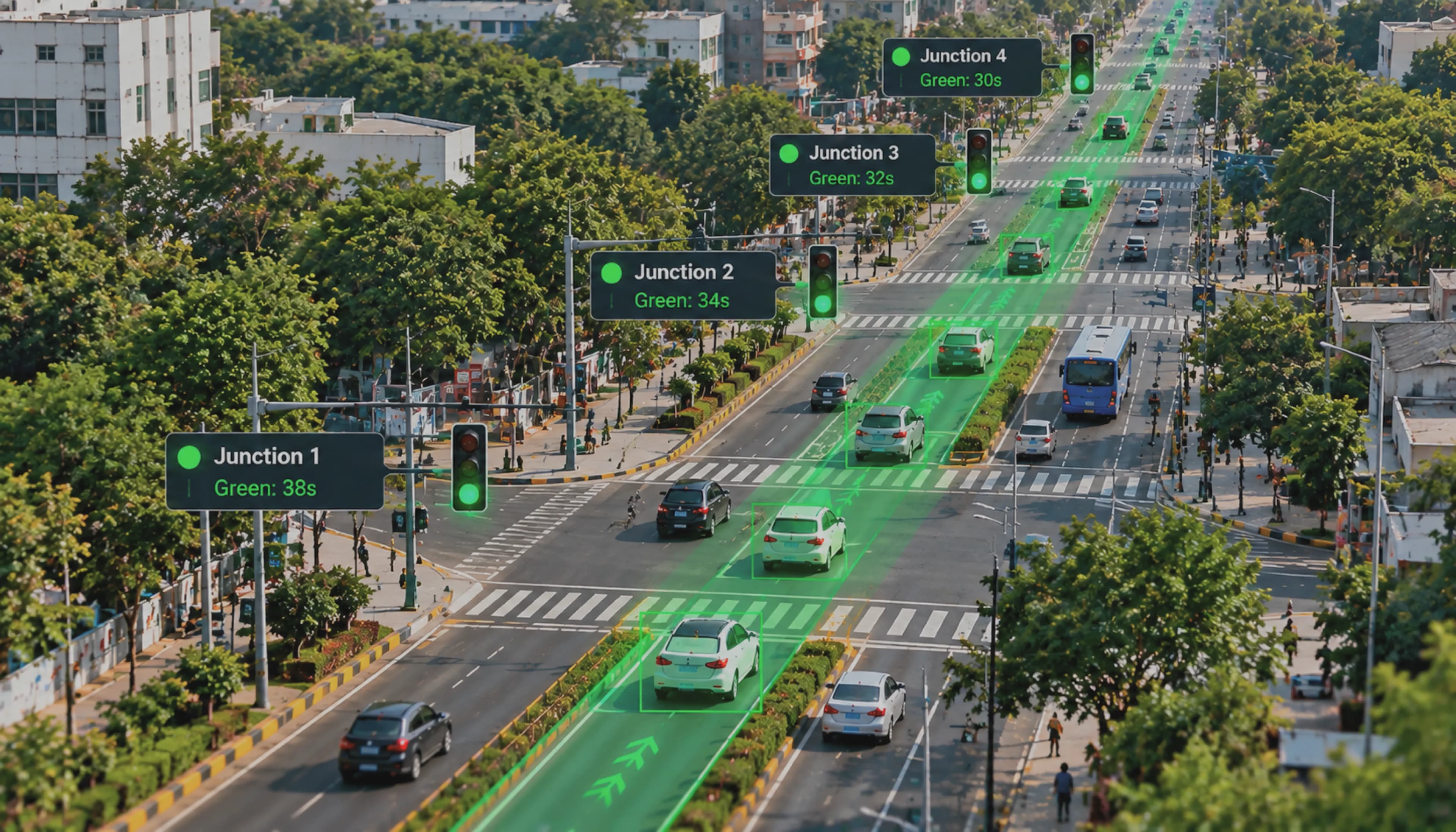
Green Wave Coordination
Time consecutive signals so the green windows line up. Vehicles moving at the intended corridor speed can pass through several junctions without stopping.
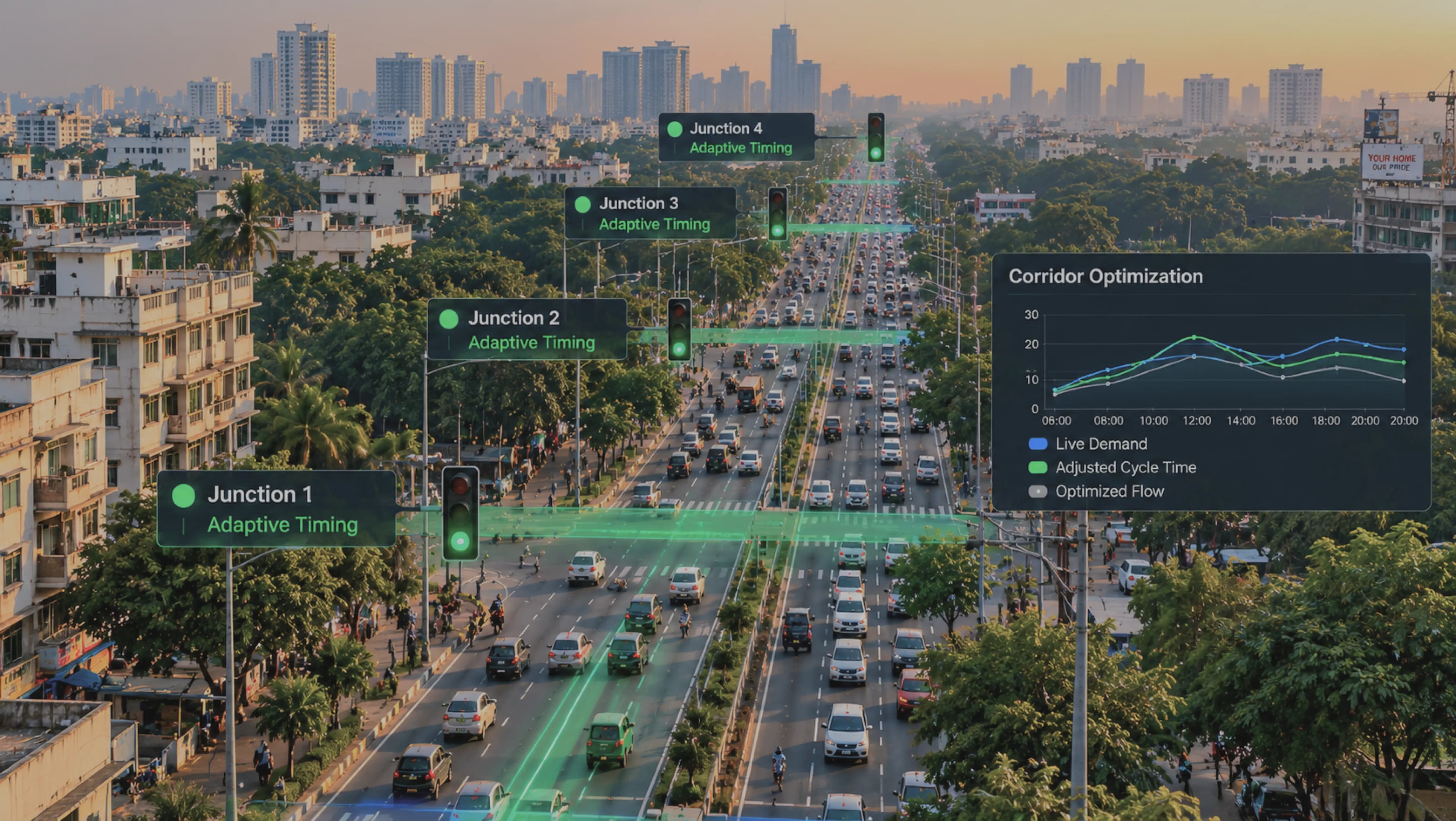
Dynamic Corridor Optimization
Adjust corridor signal strategies as demand changes, while keeping connected junctions in step with each other.
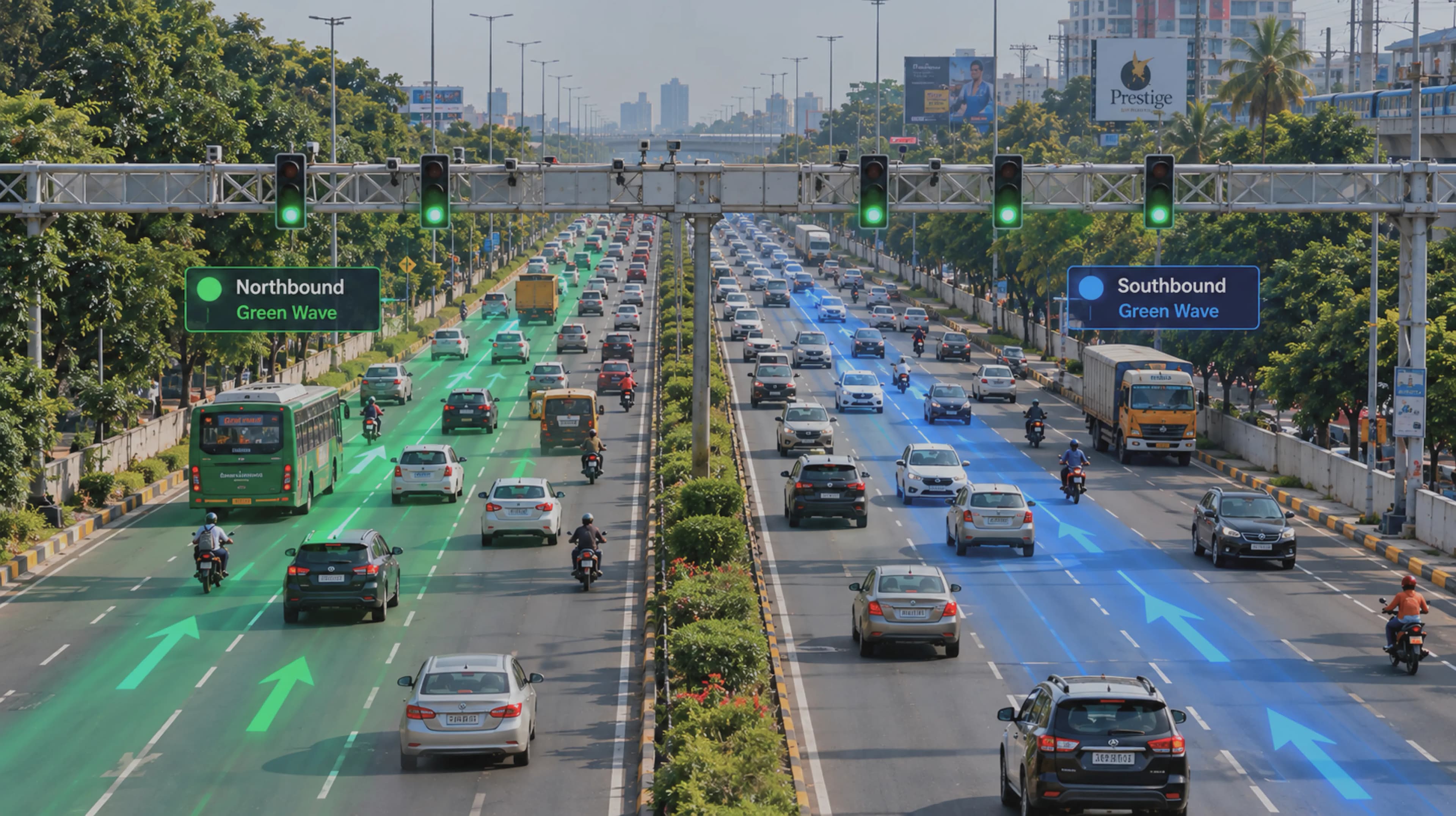
Bi-Directional Coordination
Keep traffic moving in both directions by balancing offsets, stage sequences, and green windows along the corridor.
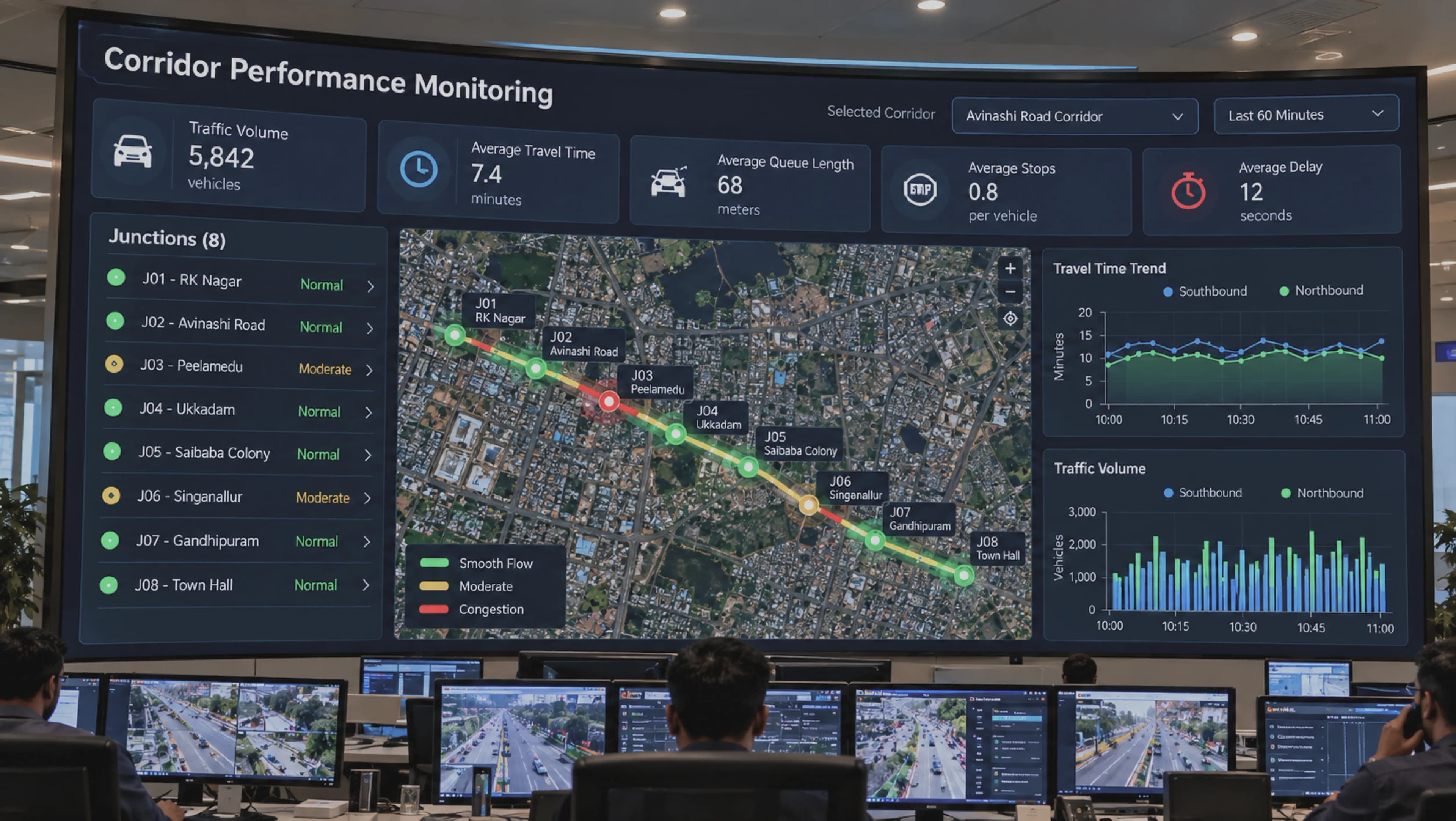
Corridor Performance Monitoring
Keep an eye on corridor performance through traffic volume, travel time, queues, stops, delay, and data from each junction.
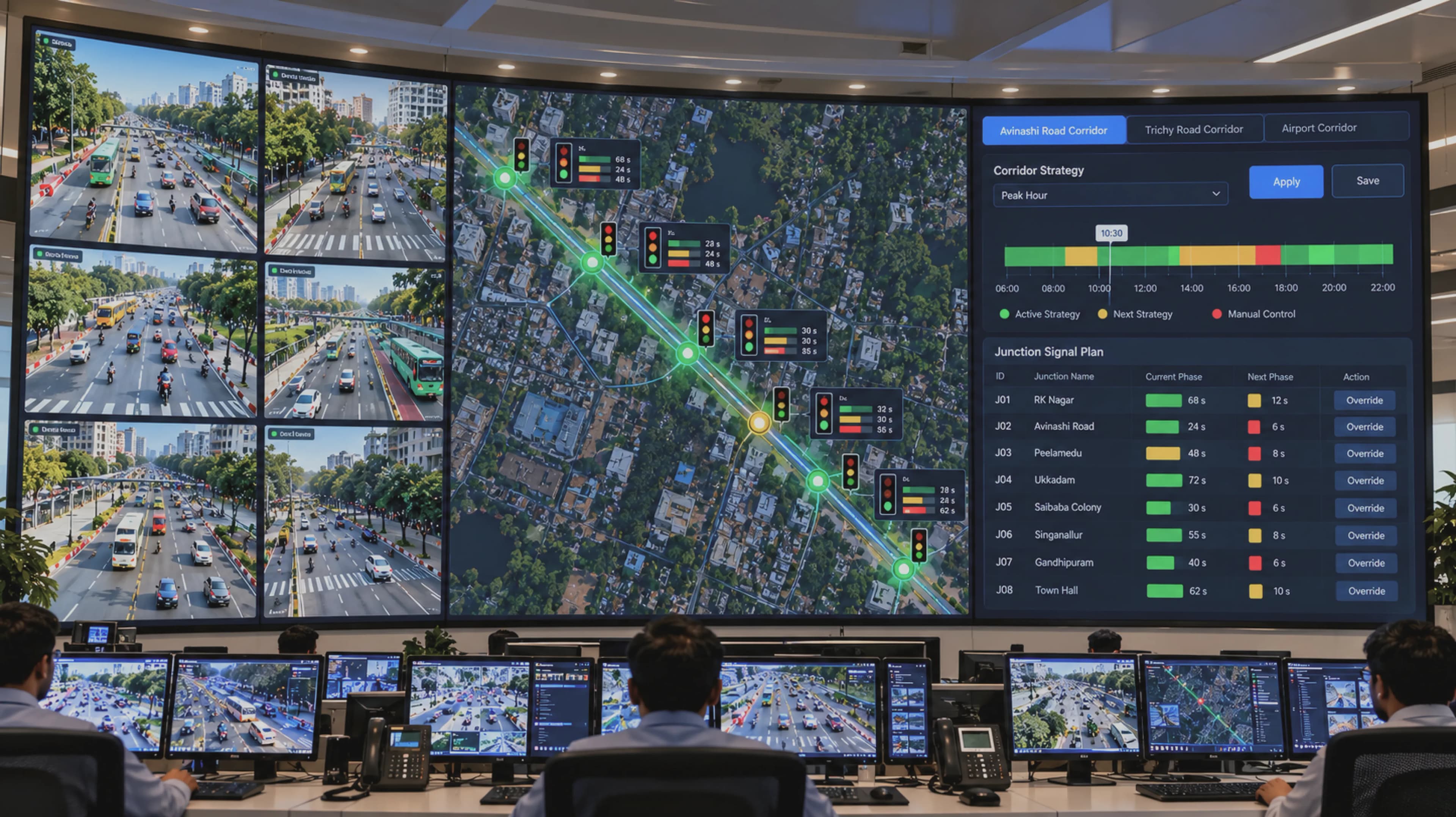
Centralized Corridor Control
Create, set up, switch on, and monitor corridor strategies straight from the command center, so traffic engineers always know how coordinated signals are running.
Traffic Simulation &
Decision Support
Try traffic-control strategies in a simulated setting before rolling them out to live junctions. Katomaran ATCS pairs traffic demand data with simulation and analysis tools, so traffic engineers can see how each signal strategy is likely to affect junction and corridor performance.
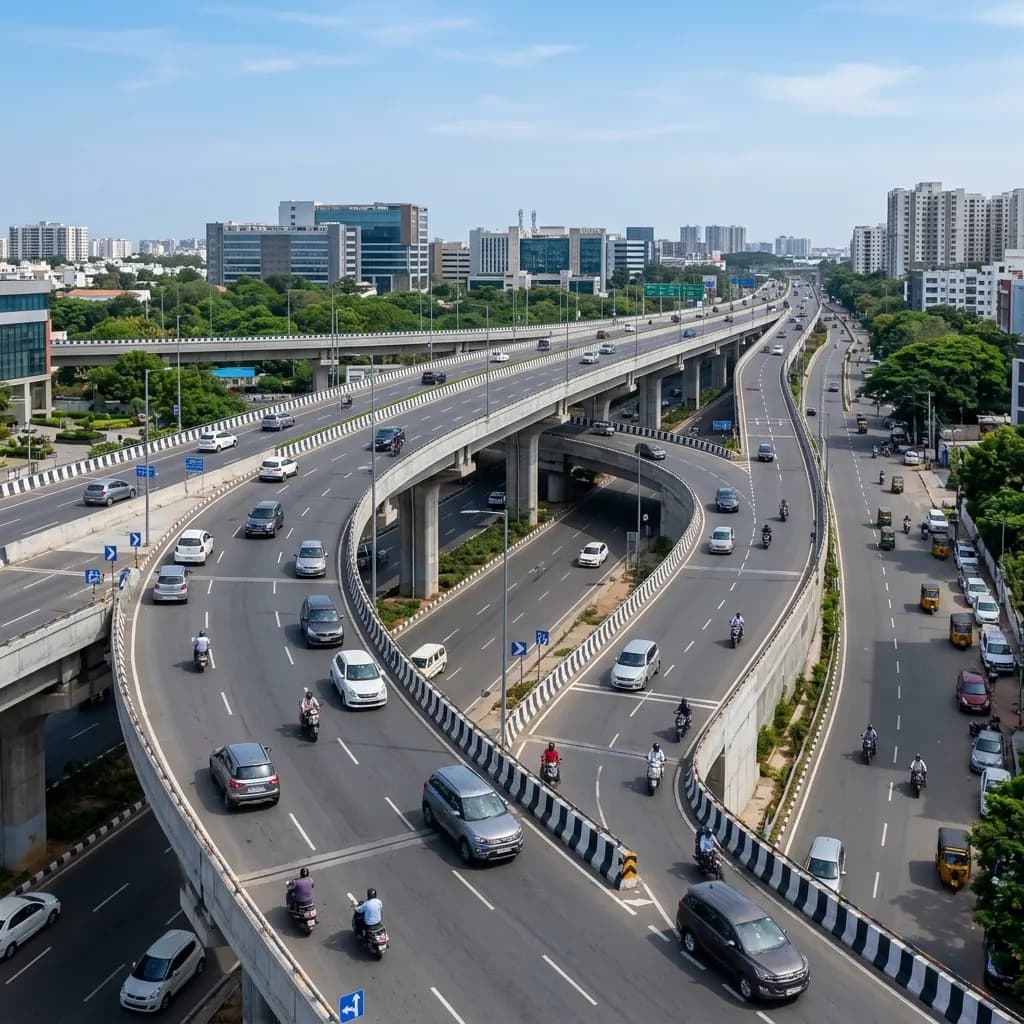
Create Traffic Scenarios
Build scenarios from historical, live, or manually entered demand data to reflect peak hours, normal traffic, special events, incidents, and other conditions.
Compare Signal Strategies
Test different cycle lengths, green splits, offsets, stage sequences, and signal plans against the same traffic scenario.

Measure Performance
Compare strategies on the metrics traffic engineers rely on, including average delay, queue length, number of stops, travel time, throughput, and degree of saturation.
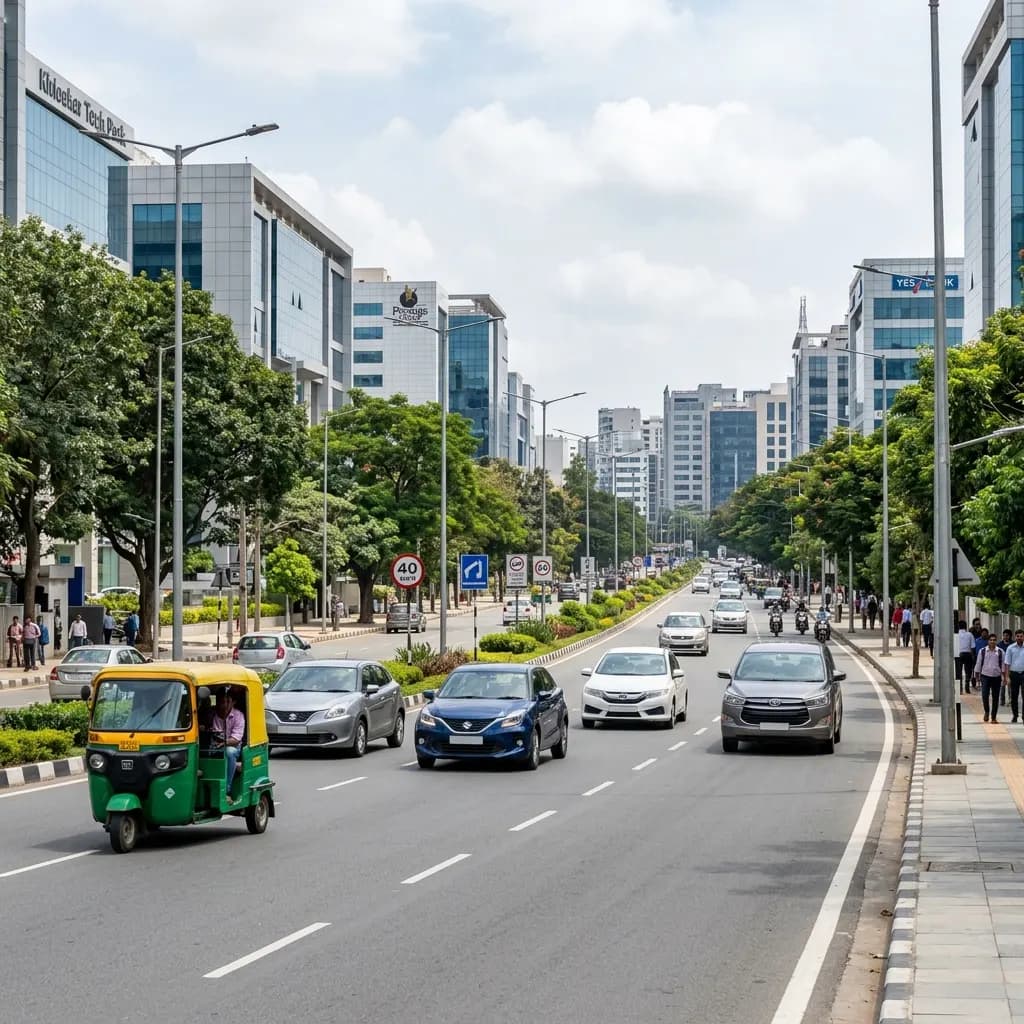
Predict Traffic Conditions
Study past and current traffic patterns to anticipate shifts in demand and plan ahead.
Decision Support
Give traffic engineers hard numbers on the trade-offs between strategies before anything changes at the field controllers.
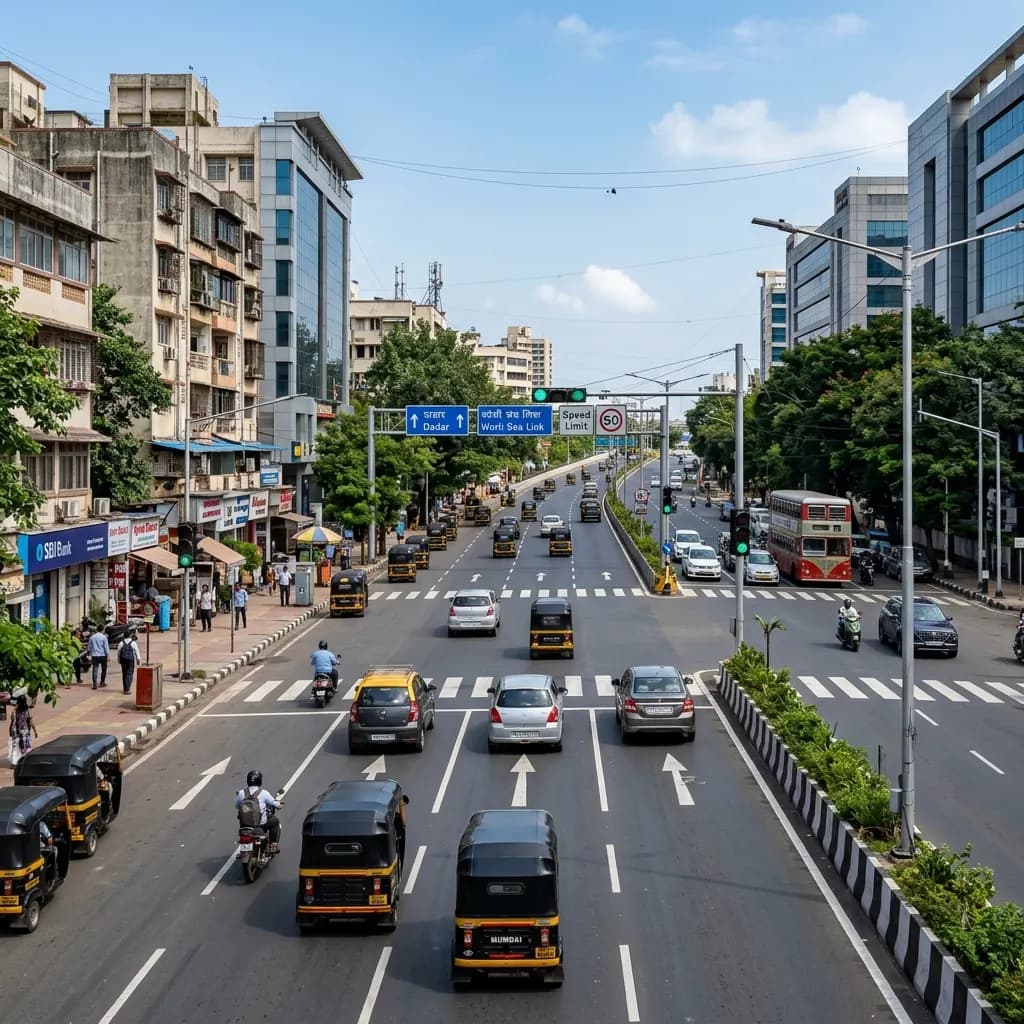
From Simulation to Field Deployment
Test a strategy in simulation, review the expected results, approve the configuration, and push the chosen signal plan to compatible controllers through the central ATCS platform.
Why Choose Our Adaptive Traffic Control System?
Why Choose Our Adaptive Traffic Control System?
Brand-Agnostic Traffic Signal Management
Bring traffic signal controllers and field equipment from different manufacturers onto one platform through OEM integration support.
Centralized City-Wide Operations
Watch over junctions, controllers, detectors, corridors, alarms, and traffic conditions from one command center.
Real-Time Adaptive Control
React to changing traffic demand as it happens, instead of depending only on fixed signal schedules.
Advanced Corridor Coordination
Link neighbouring intersections through cycle, split, offset, and progression strategies to keep corridor traffic moving.
Simulation & Decision Support
Compare traffic strategies through simulation and performance analysis before they reach the field.
Scalable Architecture
Start with a handful of intersections, extend to major corridors, or grow into city-wide traffic signal management.
Benefits of Our Adaptive Traffic Control System
Move from Fixed Signal Timings to Intelligent, Adaptive Traffic Control
Build a traffic network that responds to real-time demand, links junctions, keeps corridors moving, and gives traffic authorities full visibility and control from one platform. Whether you're upgrading a few critical junctions, setting up a green corridor, or planning a city-wide ATCS deployment, Katomaran can help you design, integrate, and deploy a system that works with the traffic infrastructure you already have.

Frequently Asked Questions About Adaptive Traffic Control System
1. What is an Adaptive Traffic Control System?
1. What is an Adaptive Traffic Control System?
An Adaptive Traffic Control System manages traffic signal timings based on live road conditions. It uses detectors, cameras, sensors, and control algorithms to respond as demand changes at each intersection.
2. How is ATCS different from fixed-time traffic signals?
2. How is ATCS different from fixed-time traffic signals?
Fixed-time signals follow set schedules and timings no matter what's happening on the road. ATCS uses real-time traffic data to adjust or select timings based on actual conditions.
3. Can ATCS manage multiple junctions together?
3. Can ATCS manage multiple junctions together?
Yes. Junctions can be grouped into corridors and coordinated through shared cycle lengths, offsets, green splits, and progression strategies.
4. What is a green wave?
4. What is a green wave?
A green wave times successive signals so vehicles moving at a suitable speed meet a series of greens along a corridor. That means fewer stops and smoother progression.
5. What traffic data does ATCS use?
5. What traffic data does ATCS use?
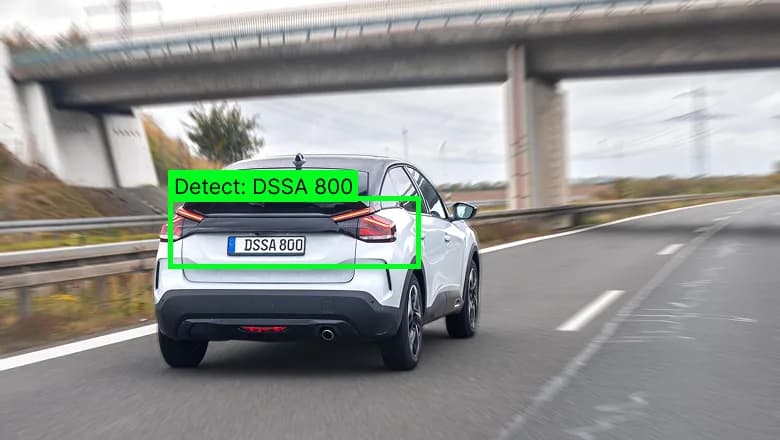
Depending on the detection setup in place, ATCS can use vehicle counts, occupancy, traffic demand, queue conditions, vehicle classification, turning movements, and detector status.
6. Can ATCS integrate with existing traffic signal controllers?
6. Can ATCS integrate with existing traffic signal controllers?
Yes. The platform supports integration with compatible traffic controllers and field devices through supported communication protocols and controller interfaces.
7. Does ATCS support traffic simulation?
7. Does ATCS support traffic simulation?
Yes. You can run traffic scenarios and compare signal strategies through simulation, looking at delay, queue length, travel time, stops, and throughput before anything is deployed.
8. Can ATCS manage emergency or priority traffic movement?
8. Can ATCS manage emergency or priority traffic movement?
ATCS can support priority strategies and coordinated corridor plans, provided the required controller capabilities, field infrastructure, and integrations are in place.
9. What happens if communication with the central system fails?
9. What happens if communication with the central system fails?
Controllers can be set up with local fallback strategies, so junctions keep running safely on predefined plans until central communication is restored.
10. Can ATCS be deployed city-wide?
10. Can ATCS be deployed city-wide?
Yes. The architecture supports everything from single junctions and selected corridors to large city-wide traffic signal networks.